
Choosing the Right Functional Mushroom Coffee Manufacturer
The demand for functional beverages has grown significantly as consumers look for products that combine traditional daily habits with innovative ingredients. Among these emerging categories, organic coffee with functional mushrooms has gained attention as a unique combination of specialty coffee and mushroom-based functional ingredients.
For brands entering this market, selecting the right organic coffee with functional mushrooms manufacturer is an important step. A reliable manufacturer is not only responsible for blending coffee and mushroom ingredients but also plays a role in ingredient sourcing, quality control, product consistency, and regulatory compliance.
Functional mushroom coffee products can vary widely depending on the coffee base, mushroom species, extraction methods, certifications, and formulation goals. Understanding how these products are developed and manufactured helps businesses and consumers better evaluate product quality and production standards.
What Is Organic Coffee With Functional Mushrooms?
Understanding Functional Mushroom Coffee
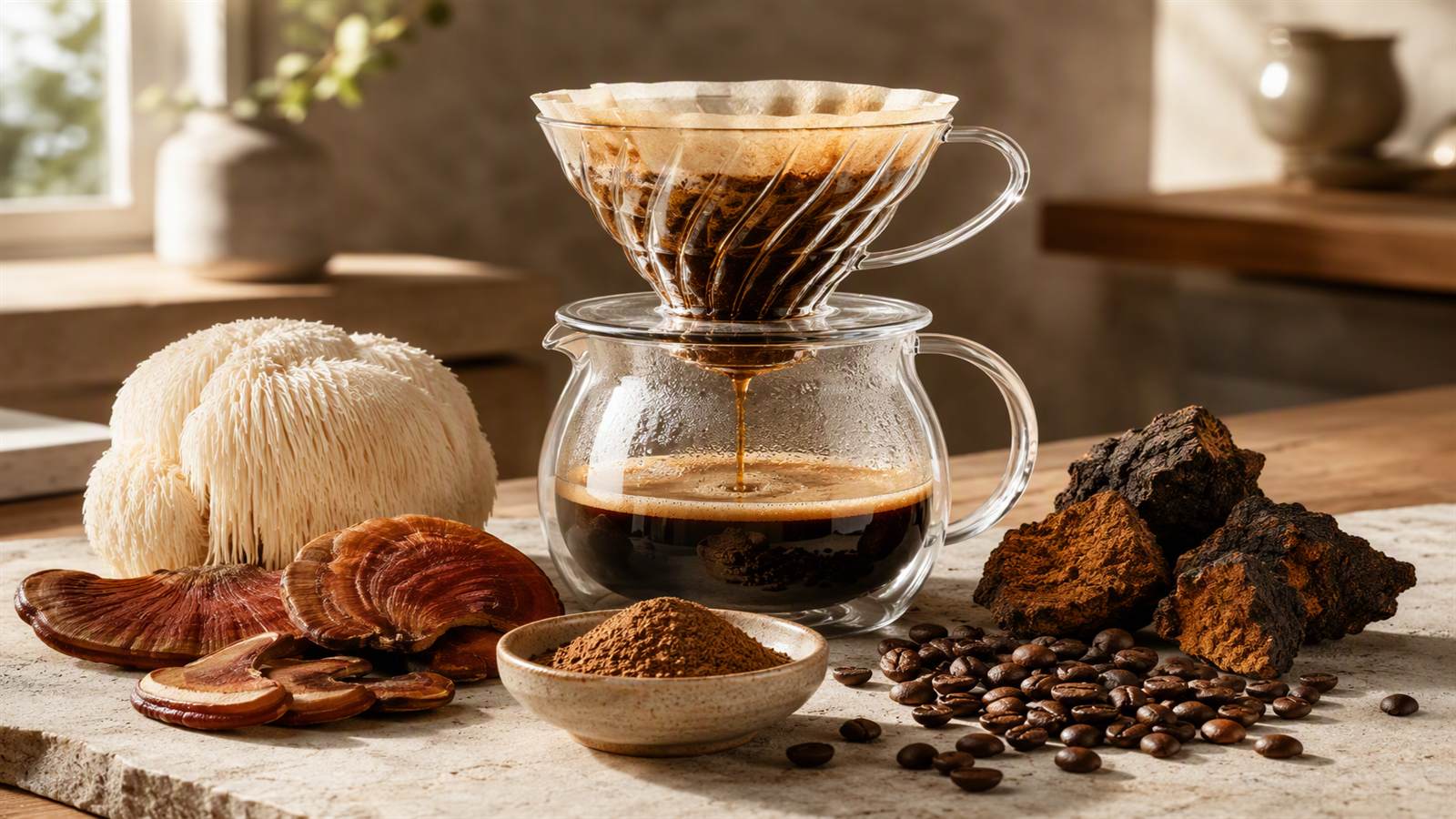
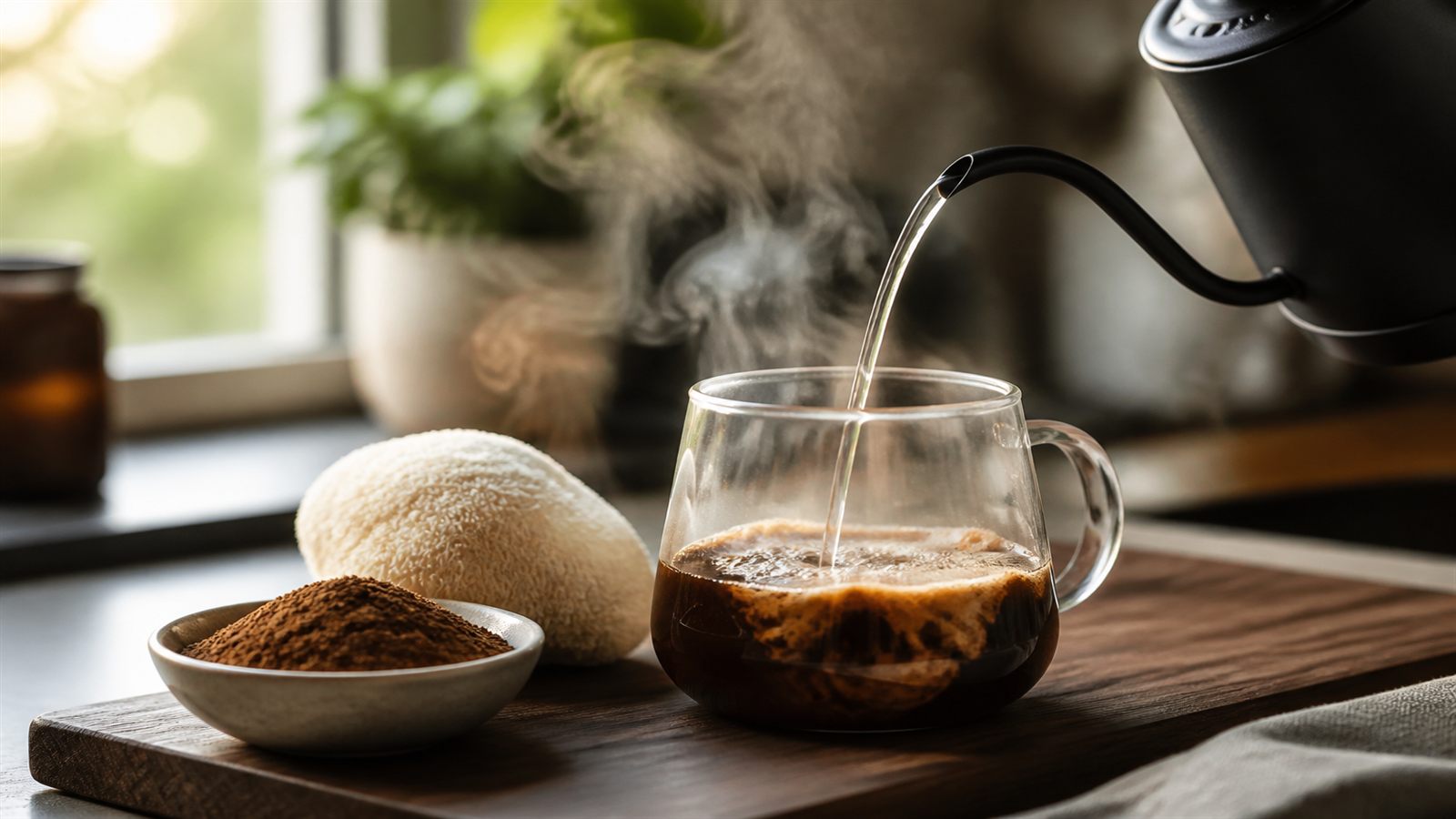
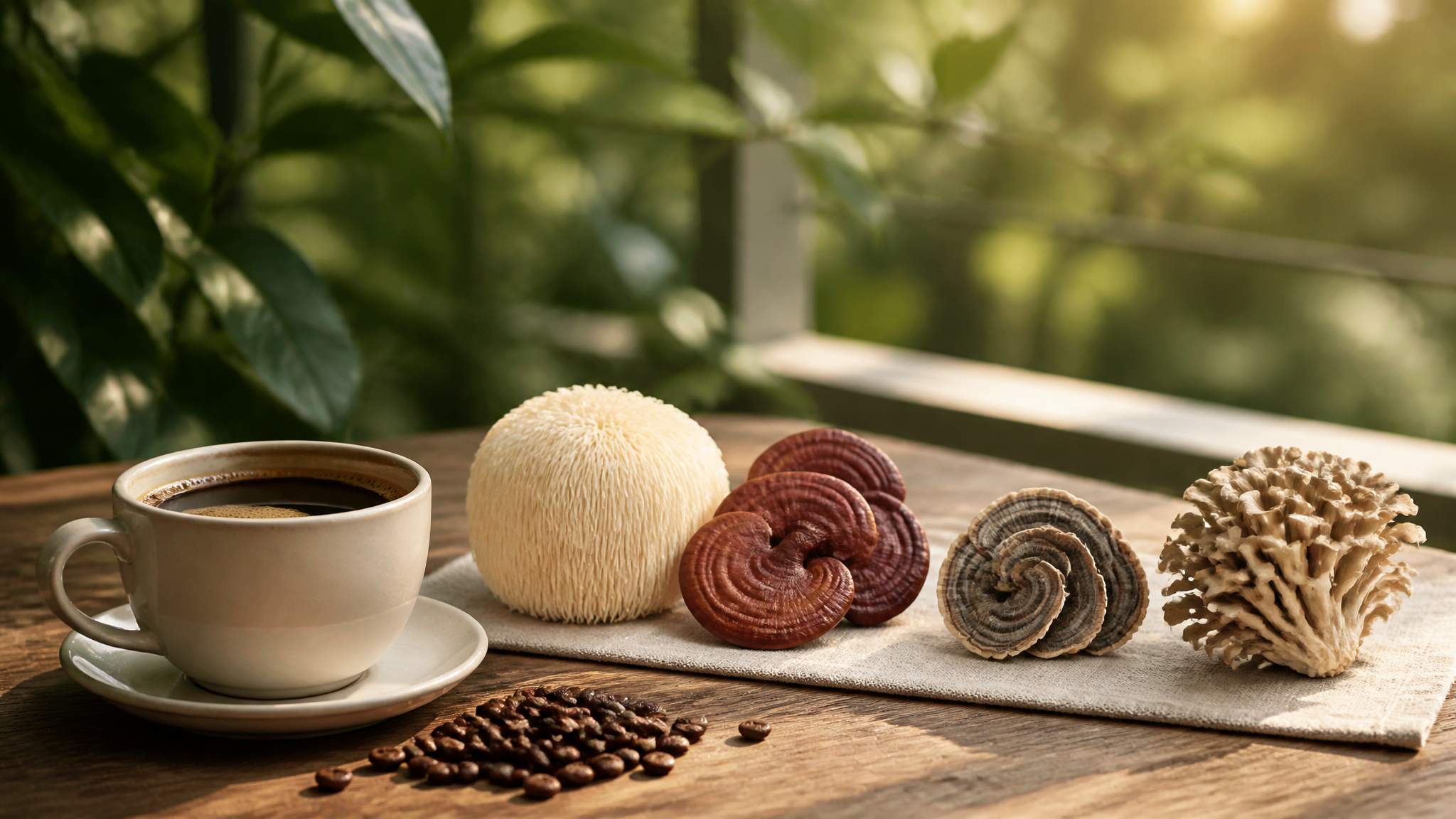
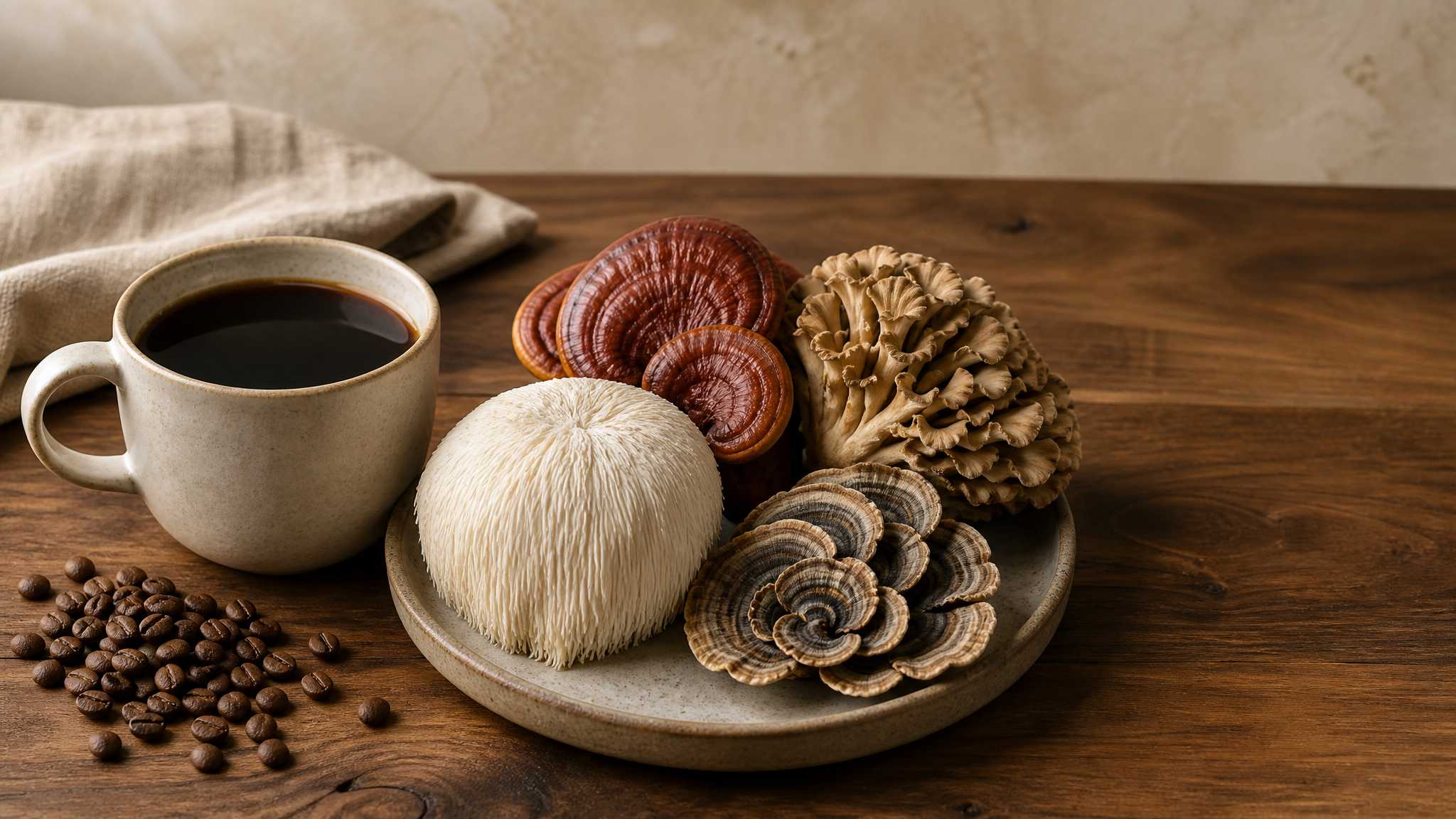
Functional mushroom coffee is a beverage that combines coffee with mushroom-derived ingredients, usually in the form of mushroom powder or mushroom extract.
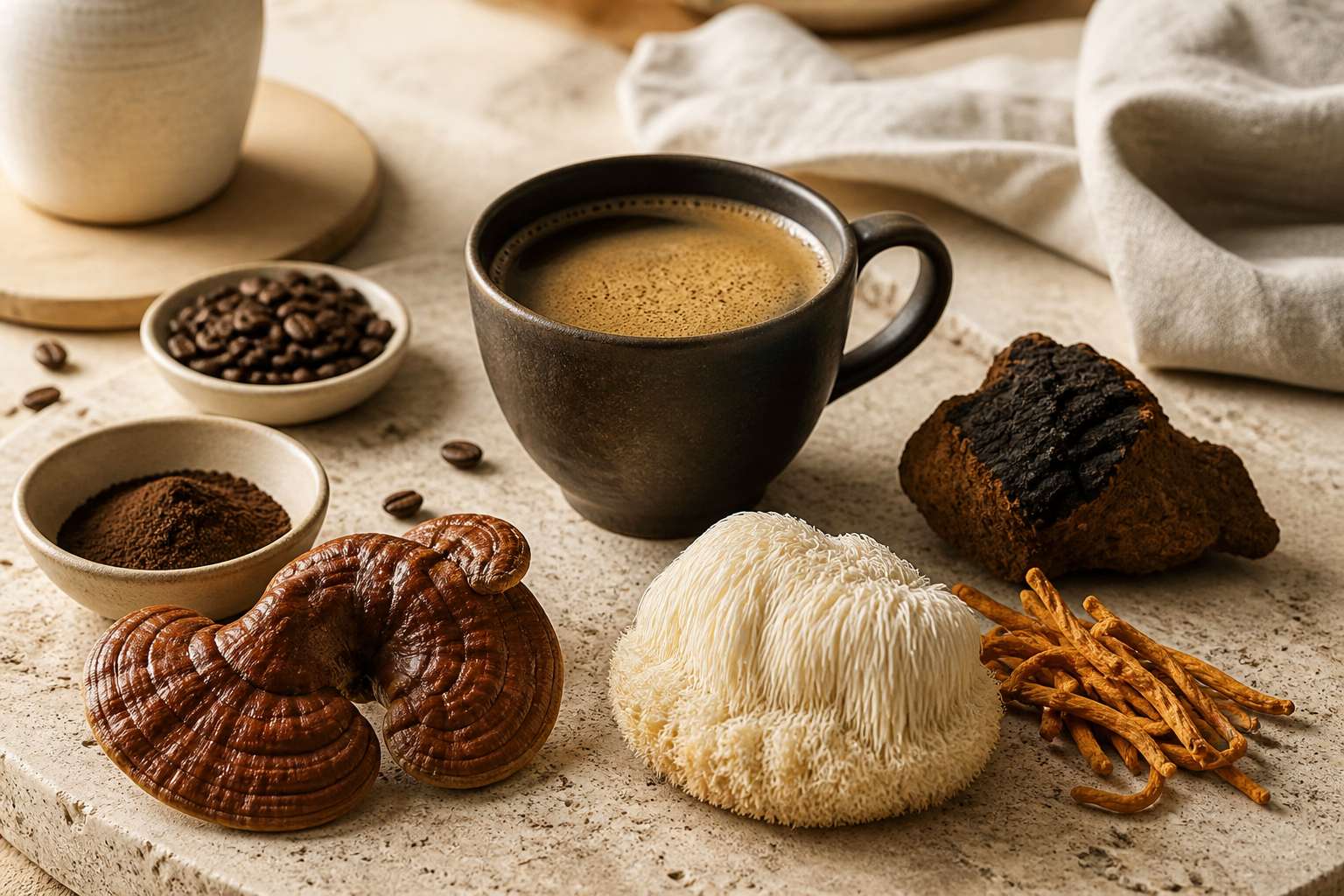
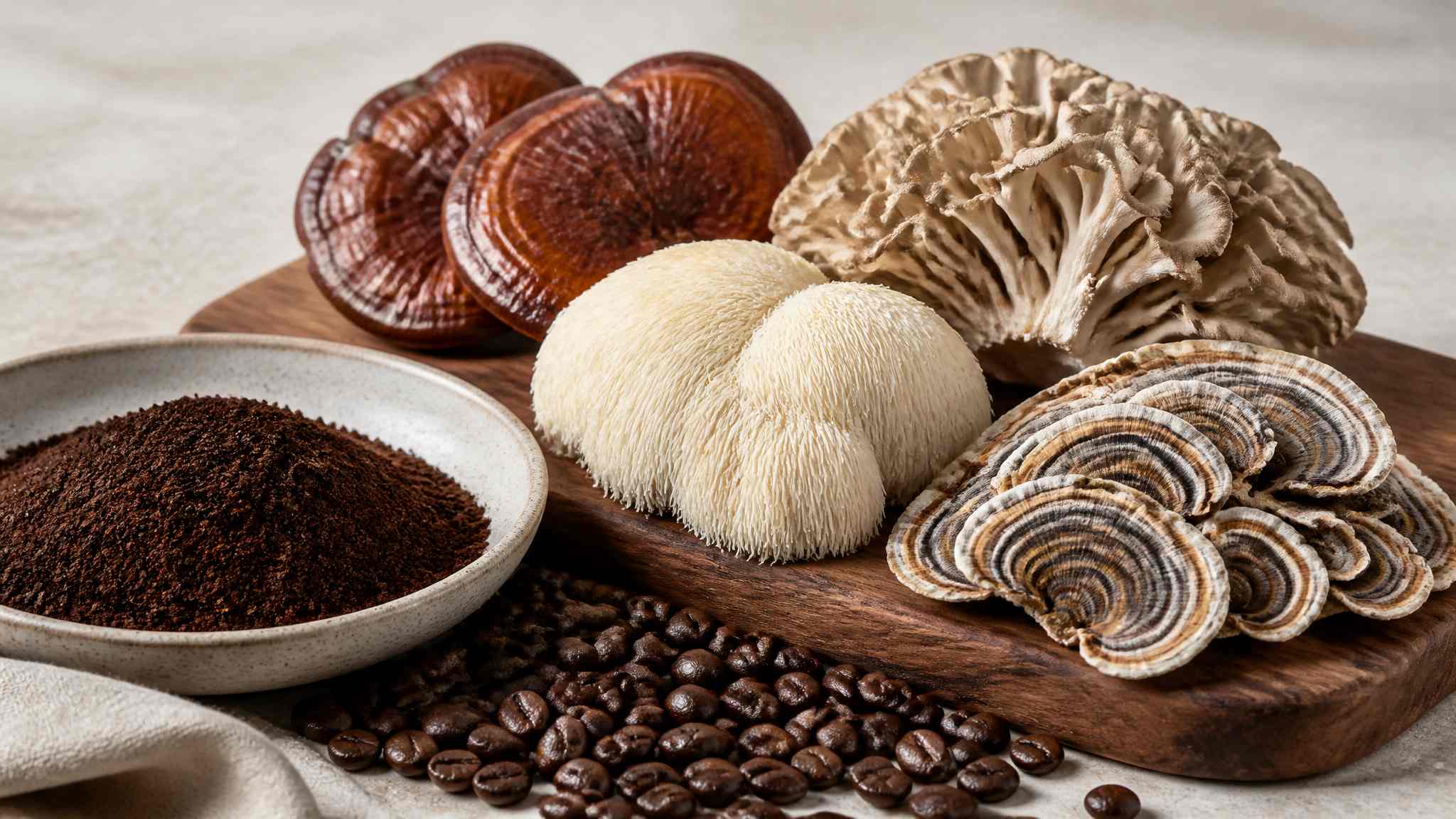
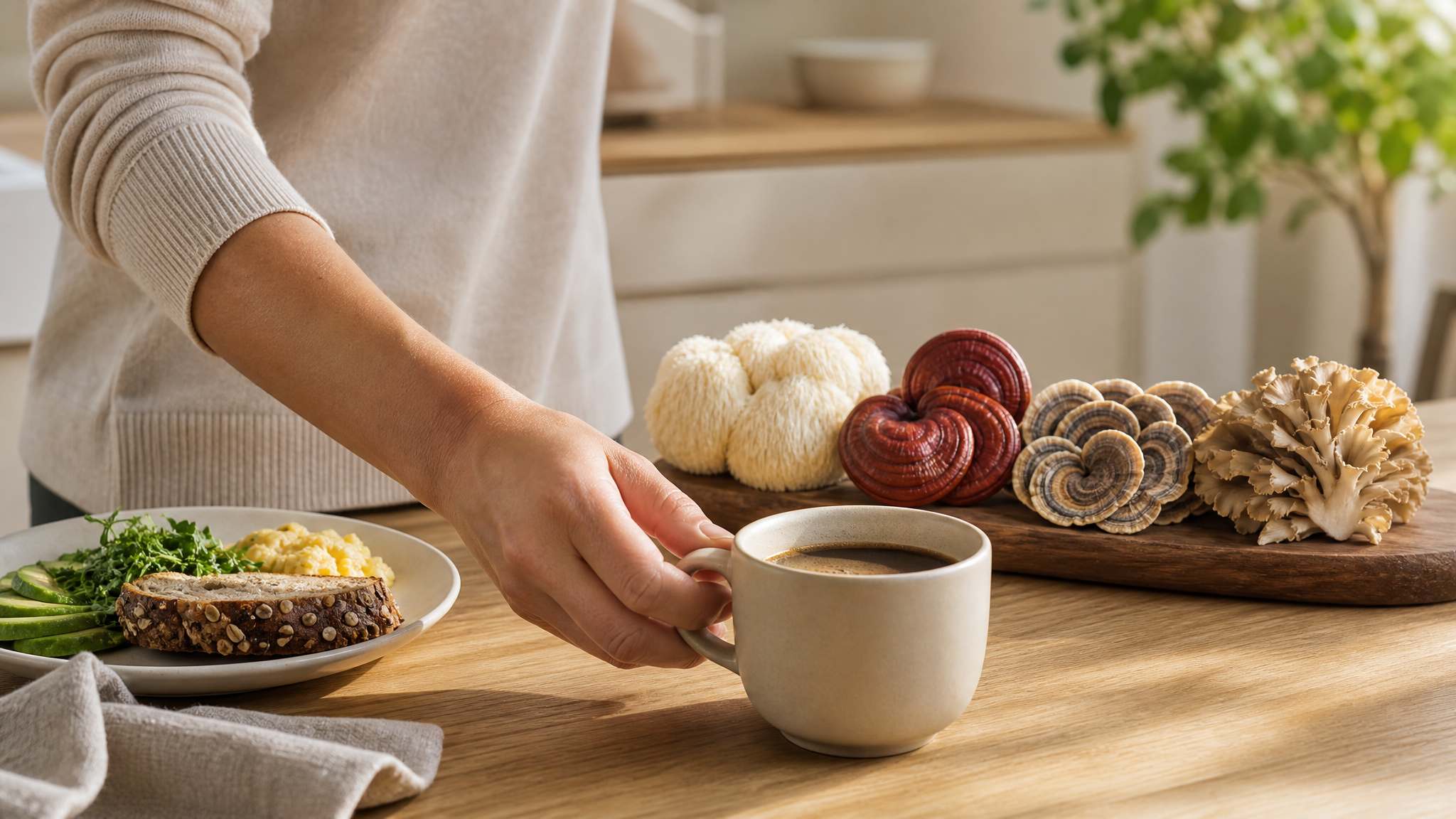
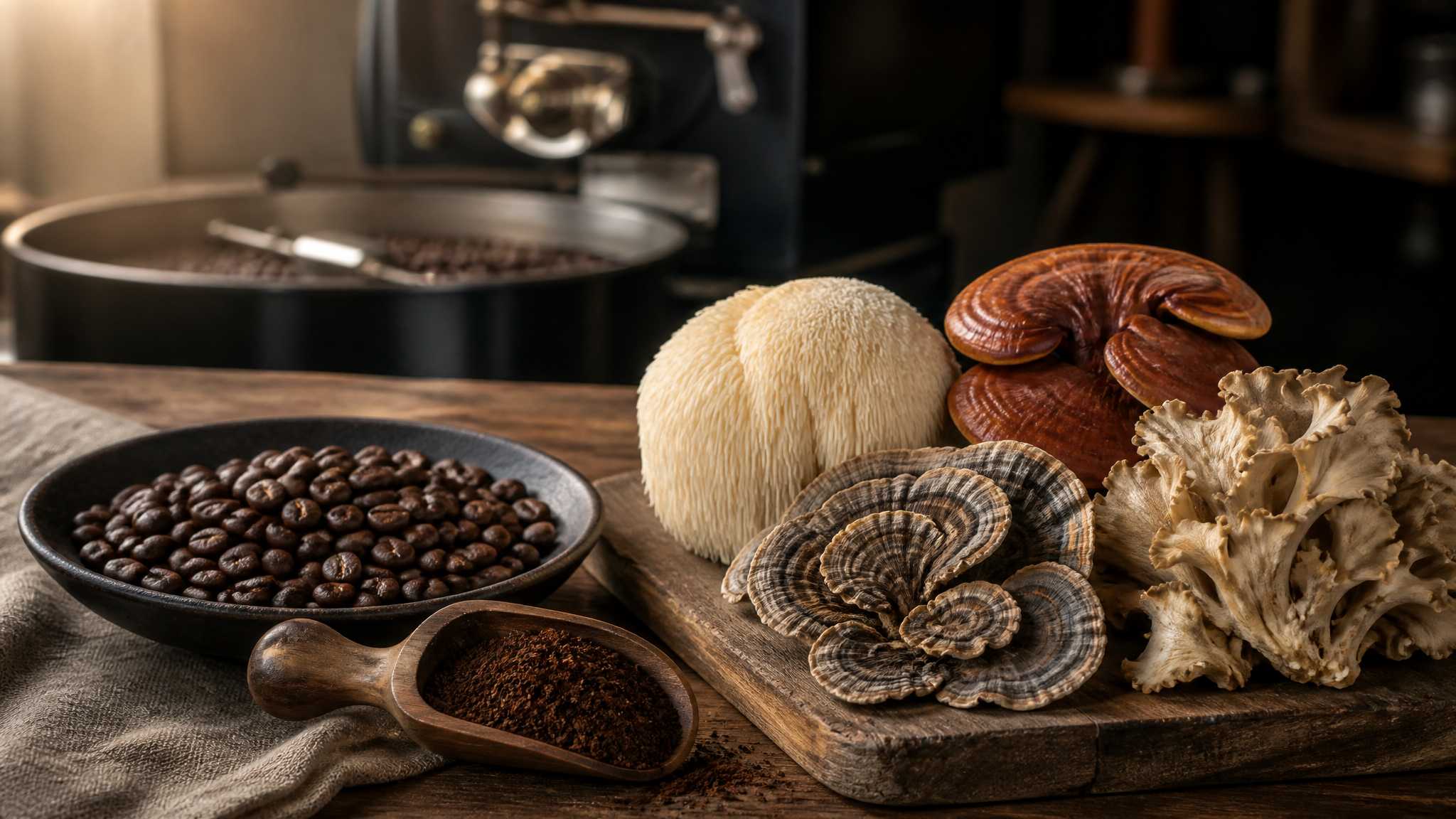
Unlike traditional coffee products, these blends are developed around the growing interest in functional ingredients. Common mushrooms used in these formulations include:
- Lion’s Mane (Hericium erinaceus)
- Reishi (Ganoderma lucidum)
- Chaga (Inonotus obliquus)
- Cordyceps (Cordyceps militaris)
- Turkey Tail (Trametes versicolor)
Manufacturers may create different formulas depending on the intended market, such as:
- Instant mushroom coffee
- Organic coffee blends
- Mushroom latte powders
- Premium functional coffee products
Why Are Brands Developing Mushroom Coffee Products?
The growth of mushroom coffee is connected to several consumer trends.
Interest in Functional Beverages
Consumers are increasingly exploring beverages that contain additional ingredients beyond traditional nutrition.
Functional beverages now include products featuring:
- Botanical extracts
- Adaptogenic ingredients
- Plant-based compounds
- Mushroom ingredients
Demand for Clean Label Products
Many consumers prefer products with:
- Transparent ingredient lists
- Natural ingredients
- Clearly identified sources
Organic coffee combined with functional mushrooms fits within this broader movement toward more transparent and wellness-focused products.
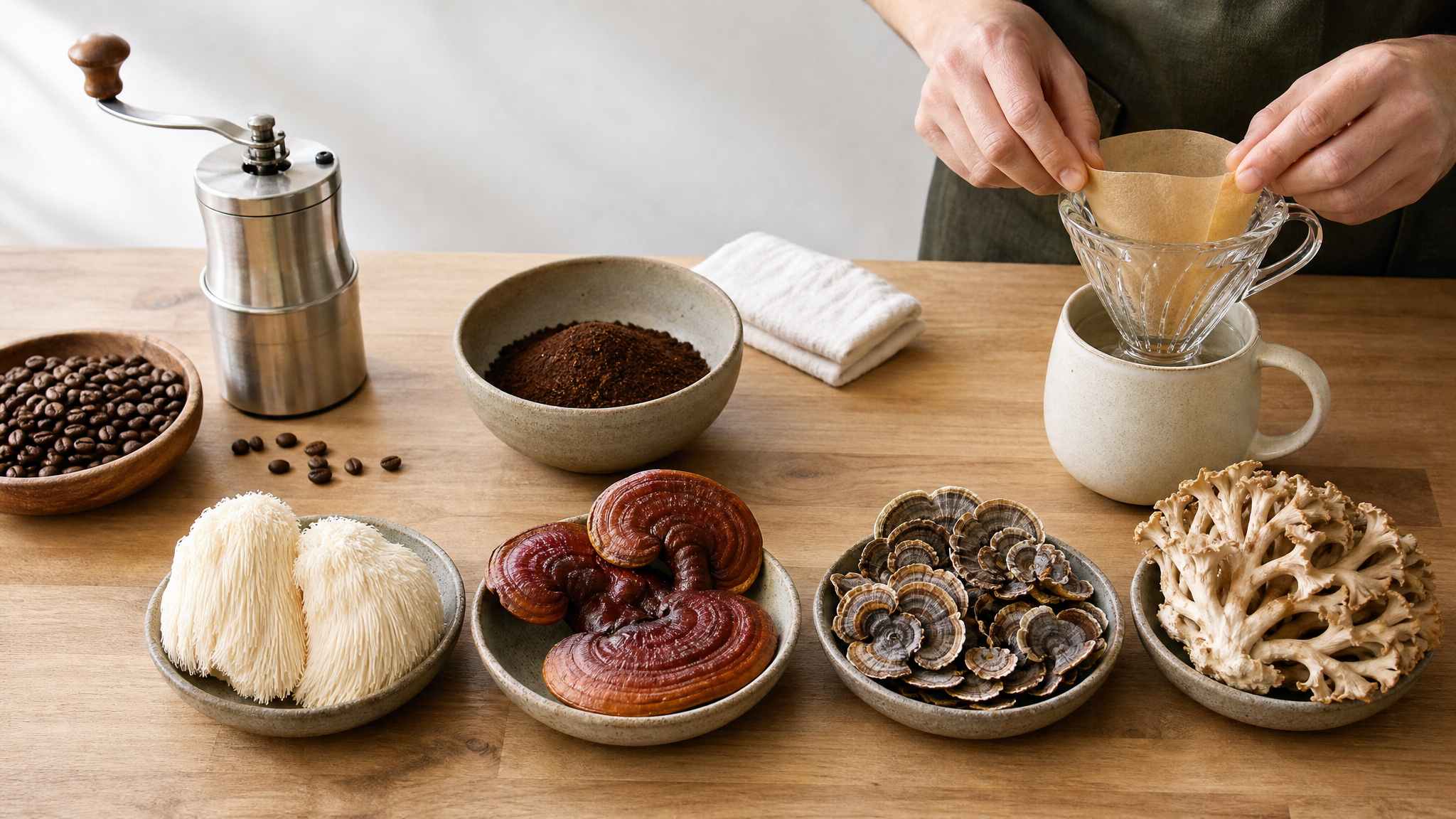
Key Ingredients Used in Functional Mushroom Coffee
Organic Coffee Beans
Coffee remains the foundation of mushroom coffee products.
Manufacturers may select different coffee varieties depending on the desired flavor profile.
Arabica Coffee
Arabica is commonly used in premium coffee products because of its:
- Smooth taste
- Aromatic characteristics
- Specialty coffee positioning
Robusta Coffee
Robusta may be selected for:
- Stronger coffee flavor
- Higher caffeine content
- Cost efficiency
Instant Coffee
Instant coffee is widely used in functional coffee products because it offers:
- Convenient preparation
- Consistent quality
- Easy packaging options
Functional Mushroom Extracts
The mushroom component is one of the most important aspects of functional coffee formulation.
Lion’s Mane Mushroom Extract
Lion’s Mane is one of the most popular mushrooms used in functional beverages.
Research has investigated compounds found in Lion’s Mane, including hericenones, erinacines, and polysaccharides.
A clinical study published in Phytotherapy Research explored the effects of Lion’s Mane supplementation on cognitive function in adults with mild cognitive impairment, contributing to continued scientific interest in this mushroom.
Reishi Mushroom Extract
Reishi has a long history of traditional use and is frequently included in functional mushroom blends.
It contains naturally occurring compounds such as:
- Polysaccharides
- Triterpenes
Chaga Mushroom
Chaga is commonly used in mushroom products due to research interest in its antioxidant-related compounds.
Cordyceps Mushroom
Cordyceps is often included in products designed for consumers interested in active lifestyles and functional nutrition.
How Functional Mushroom Coffee Is Manufactured
Ingredient Sourcing
A professional mushroom coffee manufacturer begins with careful ingredient selection.
Important considerations include:
- Coffee origin
- Mushroom species
- Raw material quality
- Supplier verification
For organic products, manufacturers also need to consider whether ingredients meet organic sourcing requirements.
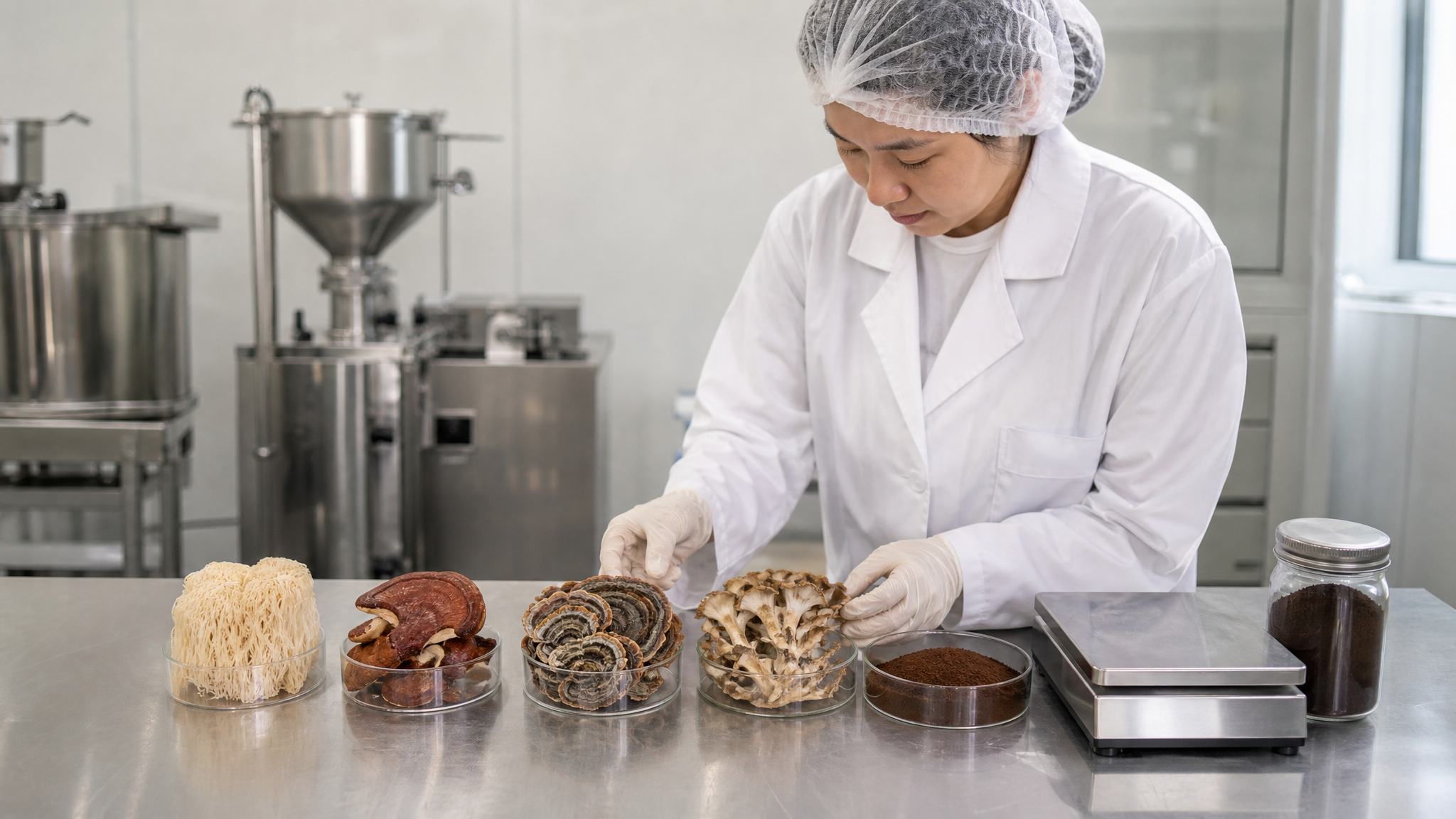
Mushroom Processing and Extraction
Functional mushroom ingredients can be produced through different processes.
A typical process may include:
- Mushroom cultivation
- Harvesting
- Drying
- Extraction
- Powder processing
- Quality testing
Manufacturers may use mushroom powder or extract depending on the product formulation.
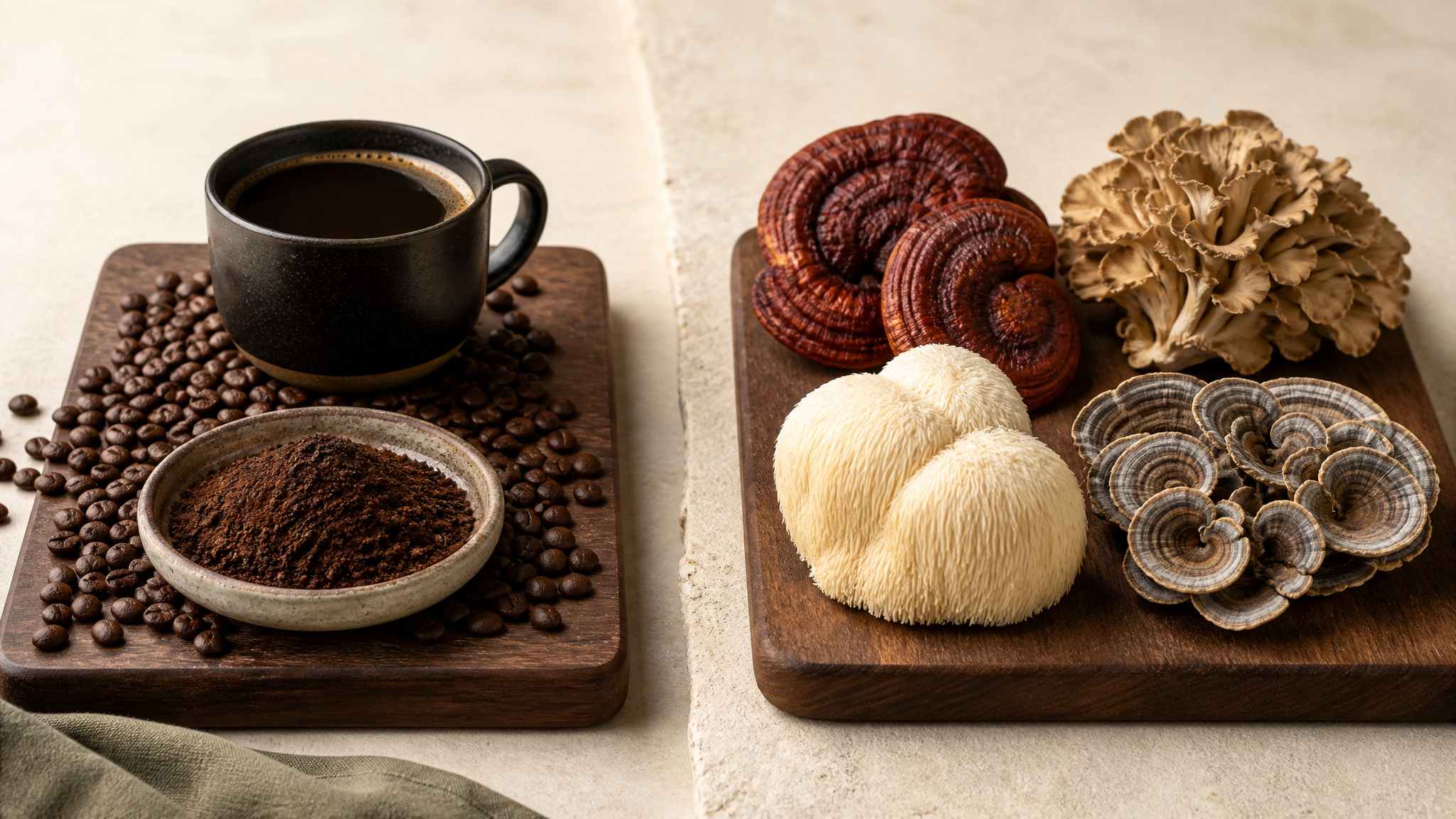
Mushroom Powder
Produced by drying and grinding mushroom material.
Mushroom Extract
Created through additional processing designed to concentrate selected mushroom compounds.
The choice between powder and extract depends on factors such as formulation goals, product positioning, and consumer expectations.
Coffee and Mushroom Blending Process
After ingredients are prepared, manufacturers develop the final formula.
This process may involve:
Formula Development
Manufacturers evaluate:
- Coffee-to-mushroom ratio
- Flavor balance
- Solubility
- Consumer preferences
Flavor Optimization
Because mushrooms may have earthy characteristics, formulation specialists often adjust the blend to create a balanced coffee experience.
Additional ingredients may include:
- Cocoa
- Cinnamon
- Plant-based creamers
- Natural flavors
Packaging and Quality Control
After blending, products move into packaging.
Common formats include:
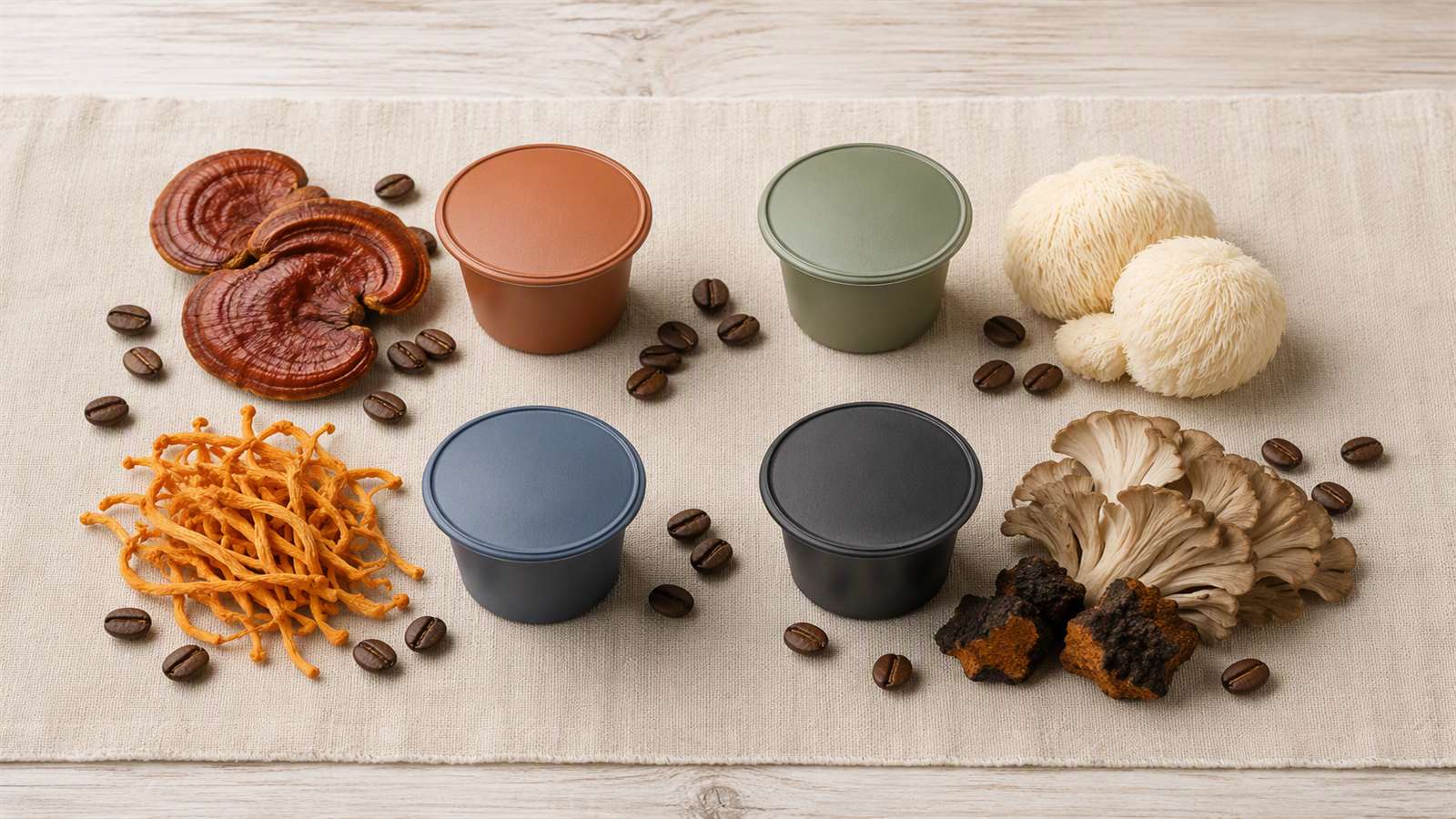
- Individual sachets
- Jars
- Stand-up pouches
- Bulk packaging
Quality control procedures may include:
- Ingredient inspection
- Batch testing
- Microbial testing
- Packaging verification
These processes help maintain consistency between production batches.
OEM and Private Label Mushroom Coffee Manufacturing
Custom Formula Development
Many brands choose private label manufacturing because it allows them to create products without building their own production facilities.
Manufacturers may provide support with:
- Mushroom combinations
- Coffee selection
- Flavor development
- Formula adjustment
For example, a brand may create a product focused on:
- Lion’s Mane coffee
- Reishi coffee blends
- Multi-mushroom formulas
Custom Packaging Solutions
Packaging is an important part of product development.
Options may include:
- Custom labels
- Branded containers
- Retail-ready packaging
- Bulk formats
The packaging design should clearly communicate:
- Ingredients
- Preparation method
- Certifications
- Product information
Flexible Production Options
Different brands may require different manufacturing solutions.
Start-up companies may look for smaller production runs, while established brands may need larger-scale manufacturing.
Important factors include:
- Minimum order quantities
- Production capacity
- Lead times
- Quality standards
Certifications for Functional Mushroom Coffee Manufacturers
Organic Certification
Organic certification focuses on agricultural and production practices.
For organic mushroom coffee products, certification may involve reviewing:
- Coffee sourcing
- Mushroom ingredients
- Processing methods
It is important to note that organic certification and other certifications have different requirements.
GMP Manufacturing
Good Manufacturing Practices (GMP) provide guidelines for consistent and controlled production.
GMP principles commonly cover:
- Facility management
- Equipment standards
- Documentation
- Quality procedures
Food Safety Standards
Depending on the target market, manufacturers may follow additional quality systems, including:
- HACCP
- ISO food safety standards
- FDA-related food regulations
How to Choose an Organic Mushroom Coffee Manufacturer
Evaluate Manufacturing Experience
Brands should consider:
- Previous product experience
- Production capabilities
- Industry knowledge
A manufacturer familiar with functional beverages may better understand formulation challenges.
Review Ingredient Capabilities
Important questions include:
- Can the manufacturer work with organic ingredients?
- Do they handle mushroom extracts?
- Can they create customized blends?
Check Customization Options
A capable manufacturer may offer:
- Formula customization
- Packaging development
- Flavor options
- Different product formats
Request Product Samples
Before large-scale production, sample evaluation is useful.
Brands can review:
- Taste
- Aroma
- Texture
- Dissolution
- Packaging quality
Functional Mushroom Coffee Market Opportunities
The functional beverage market continues to expand as consumers explore new product categories.
Growing Interest in Wellness Beverages
Current market trends include:
- Plant-based ingredients
- Functional nutrition
- Premium coffee products
- Convenient formats
Popular Mushroom Coffee Categories
Manufacturers may develop products such as:
- Organic mushroom coffee
- Instant mushroom coffee
- Mushroom latte mixes
- Multi-functional coffee blends
These categories allow brands to target different consumer preferences.
Frequently Asked Questions
What does an organic mushroom coffee manufacturer do?
A manufacturer handles product development, ingredient sourcing, blending, testing, and packaging of mushroom coffee products.
Can manufacturers create private label mushroom coffee?
Yes. Many manufacturers provide OEM and private label services, including customized formulas and packaging options.
What mushrooms are commonly used in mushroom coffee?
Common functional mushrooms include Lion’s Mane, Reishi, Chaga, and Cordyceps.
What certifications should a mushroom coffee manufacturer have?
Depending on the market, brands may look for certifications and standards such as GMP, organic certification, HACCP, and ISO food safety systems.
What factors should brands consider before choosing a supplier?
Important factors include:
- Manufacturing experience
- Ingredient quality
- Customization ability
- Production standards
- Sample testing
Scientific References
- Friedman M.
Chemistry, Nutrition, and Health-Promoting Properties of Hericium erinaceus Mushroom Fruiting Bodies and Mycelia and Their Bioactive Compounds.
Journal of Agricultural and Food Chemistry. - Mori K, Inatomi S, Ouchi K, Azumi Y, Tuchida T.
Improving effects of the mushroom Yamabushitake (Hericium erinaceus) on mild cognitive impairment: A double-blind placebo-controlled clinical trial.
Phytotherapy Research. 2009. - Wasser SP.
Medicinal mushroom science: Current perspectives and future directions.
Conclusion
Organic coffee with functional mushrooms represents the combination of traditional coffee culture and the expanding functional beverage industry.
Choosing the right manufacturer requires evaluating more than production capacity. Ingredient sourcing, formulation experience, quality control systems, certifications, and customization options all influence the final product.
As demand for functional mushroom beverages continues to grow, manufacturers with strong production capabilities and transparent processes will play an important role in developing high-quality mushroom coffee products for global markets.