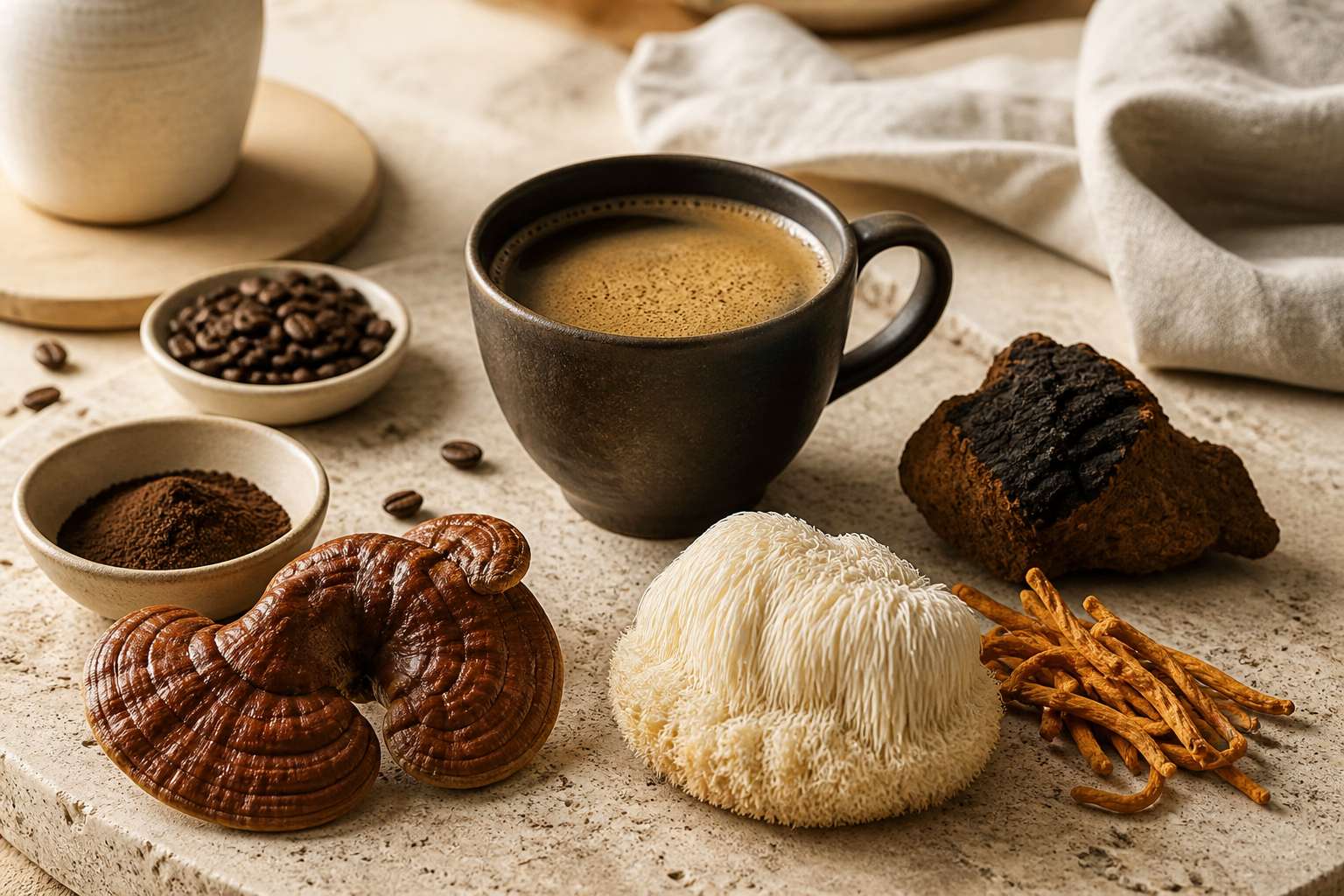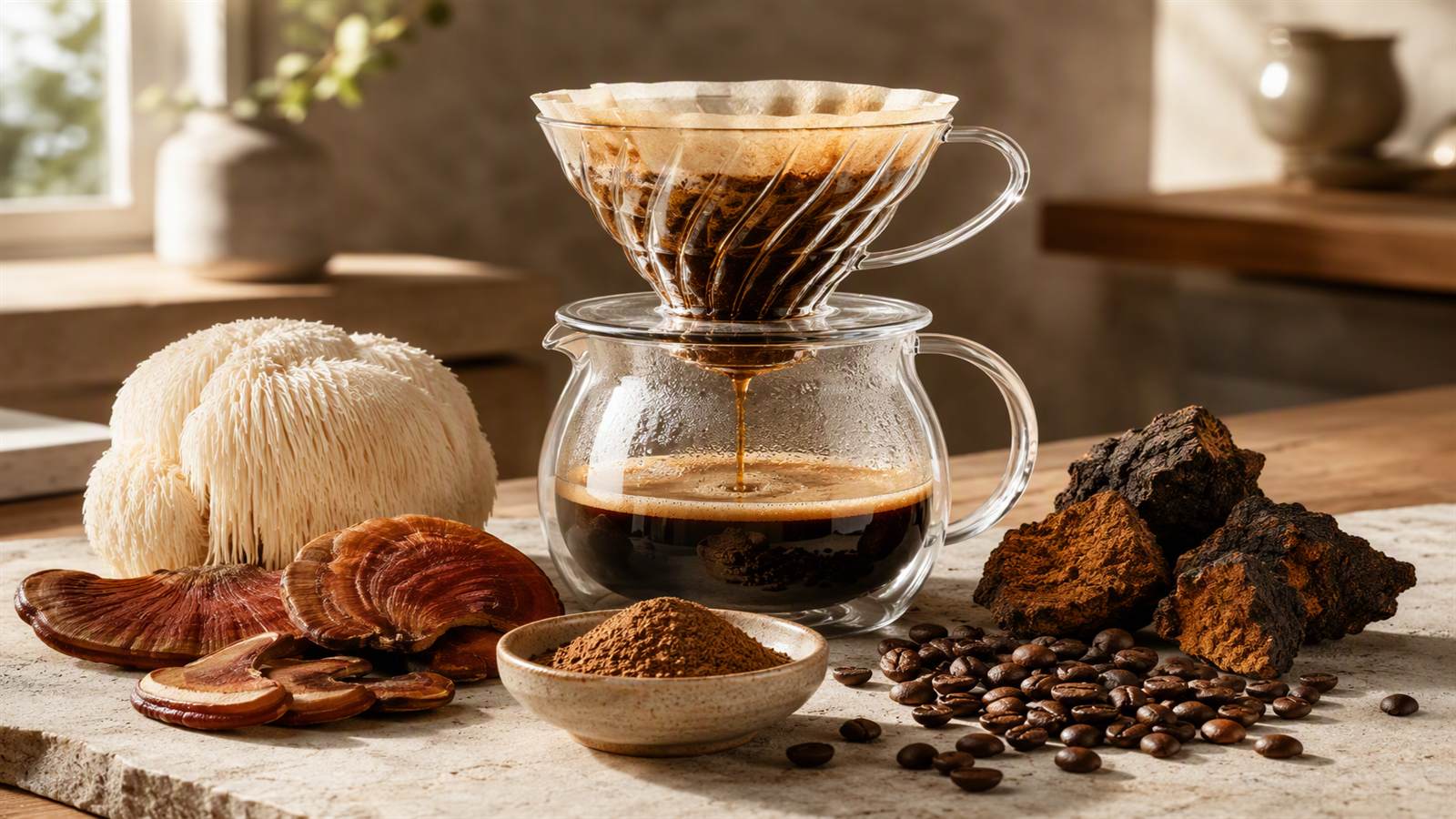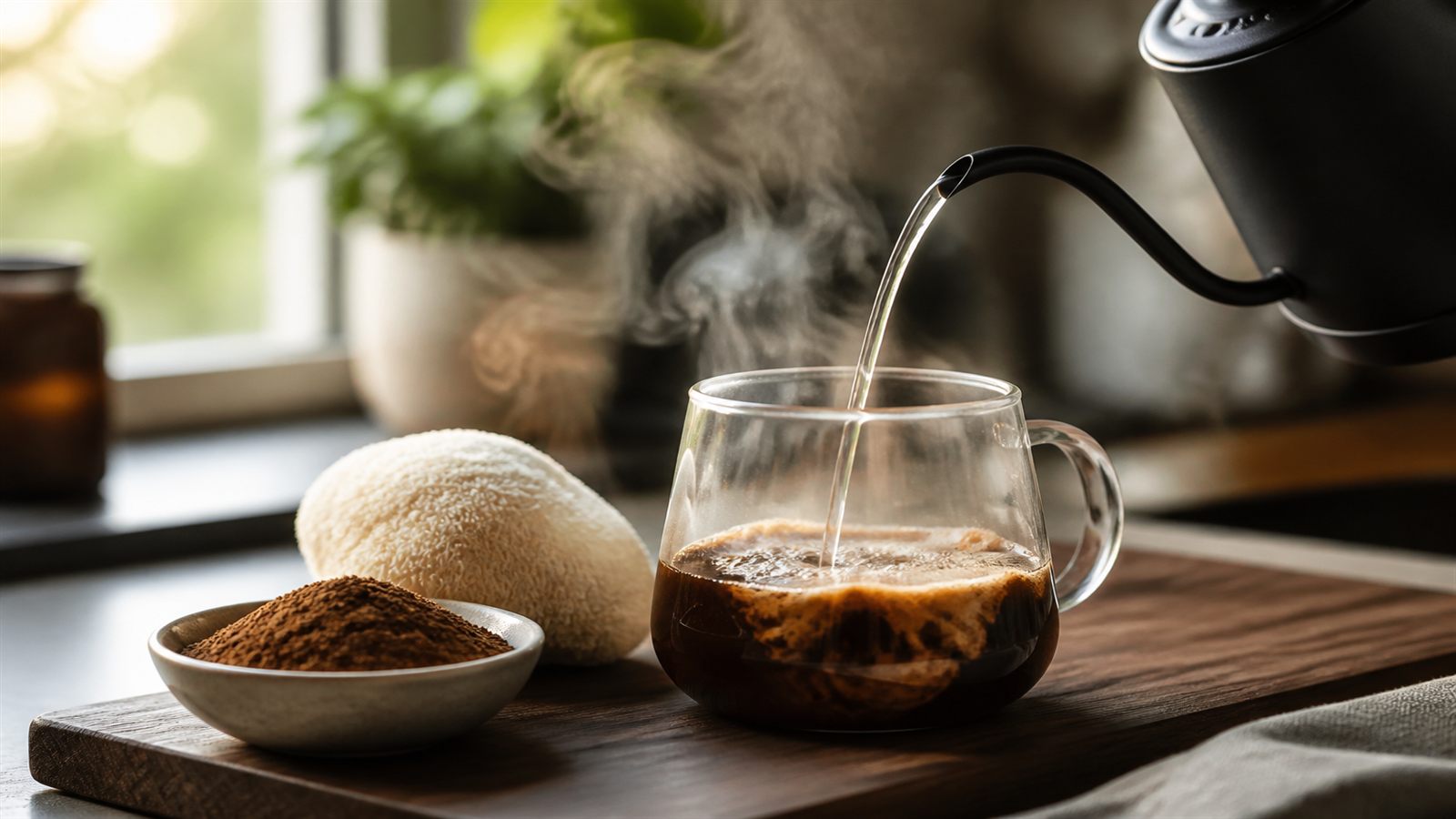


Coffee has been a daily staple for millions of people worldwide, valued for its rich flavor and natural caffeine content. In recent years, a new type of functional beverage has gained attention: Lion’s Mane mushroom coffee.
By combining traditional coffee with Lion’s Mane mushroom (Hericium erinaceus), this beverage offers a unique approach for consumers interested in functional nutrition and wellness-focused lifestyles.
Lion’s Mane mushroom coffee is not simply another type of coffee. It represents the growing trend of adding naturally occurring functional ingredients to familiar foods and beverages. This article explores what Lion’s Mane mushroom coffee is, its ingredients, potential benefits, and how it works.
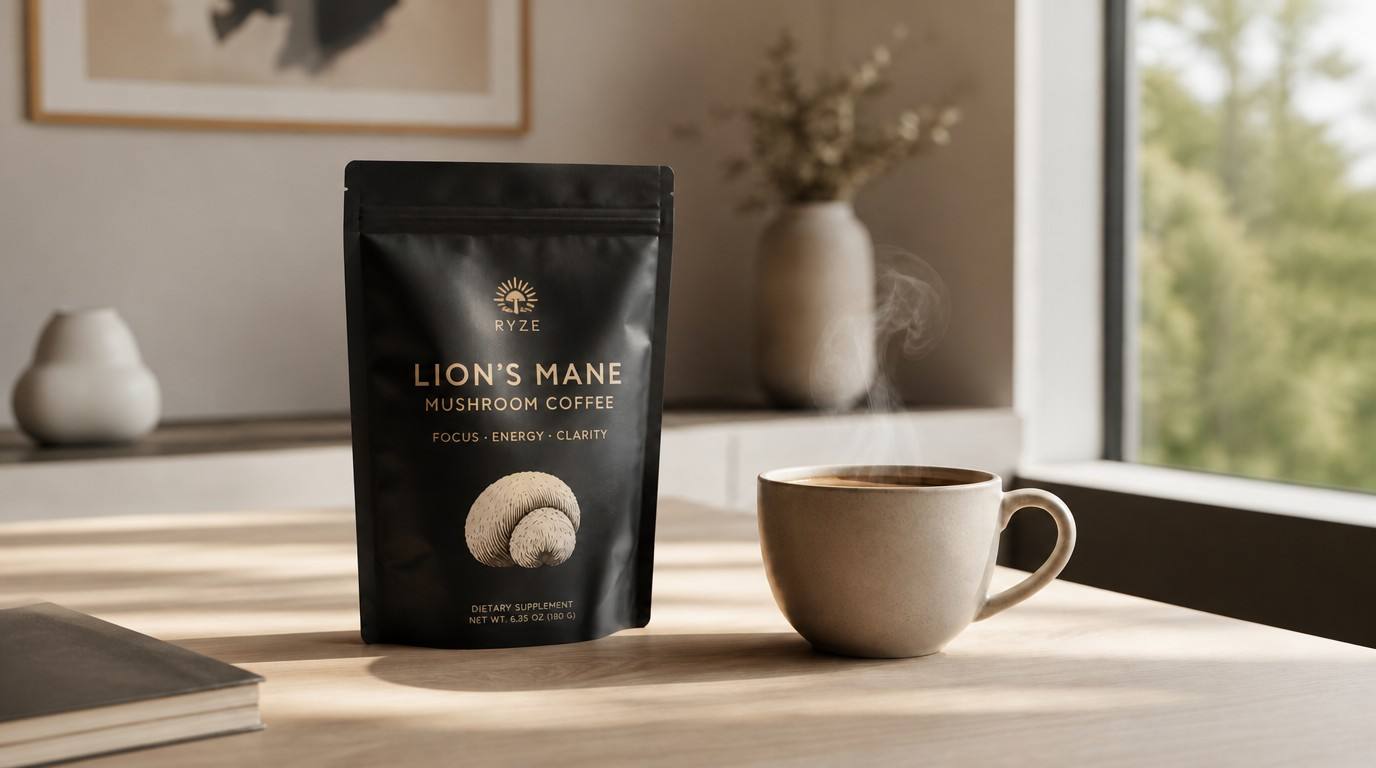
What Is Lion’s Mane Mushroom Coffee?
Lion’s Mane mushroom coffee is a beverage made by blending coffee with Lion’s Mane mushroom powder or extract.
Lion’s Mane (Hericium erinaceus) is an edible mushroom recognized by its white, hair-like appearance. It has a long history of use in traditional Asian food culture and has become one of the most researched functional mushrooms in modern nutrition studies.
Unlike regular coffee, which mainly provides caffeine and flavor, Lion’s Mane mushroom coffee combines coffee with mushroom-derived compounds such as beta-glucans, hericenones, and erinacines.
Common ingredients in Lion’s Mane mushroom coffee include:
- Coffee beans or instant coffee
- Lion’s Mane mushroom extract or powder
- Optional ingredients such as other mushroom extracts, spices, or plant-based ingredients
The goal of this combination is to create a functional beverage that fits easily into everyday coffee routines.
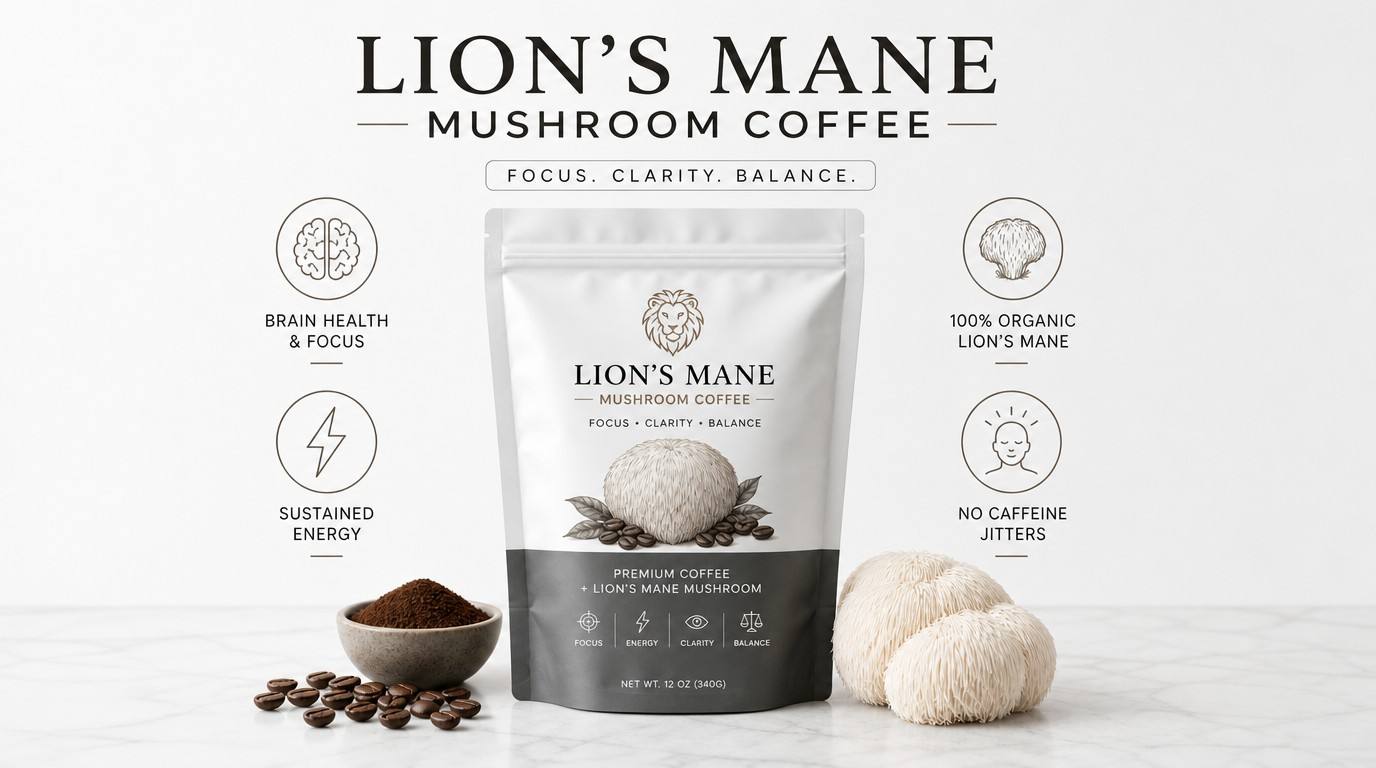
Key Ingredients in Lion’s Mane Mushroom Coffee
Coffee Base
The coffee component provides the familiar taste and caffeine that consumers expect.
Depending on the product, the coffee base may include:
- Arabica coffee, known for its smoother flavor
- Robusta coffee, which generally contains higher caffeine levels
- Instant coffee for convenient preparation
- Decaffeinated coffee options
The caffeine content varies depending on the type and amount of coffee used.
Lion’s Mane Mushroom Extract or Powder
The main functional ingredient is Lion’s Mane mushroom.
Products may use either mushroom powder or concentrated extract.
Lion’s Mane Mushroom Powder
Powder is made by drying and grinding the mushroom. It contains naturally occurring mushroom compounds and is often used in whole-food-style products.
Lion’s Mane Mushroom Extract
Extracts are processed to concentrate certain compounds from the mushroom.
When choosing a product, consumers may consider factors such as:
- Mushroom source
- Extraction method
- Fruiting body or mycelium
- Beta-glucan content
Because mushroom products can vary significantly, transparent labeling is important for understanding what a product contains.

Additional Functional Ingredients
Some Lion’s Mane mushroom coffees include other ingredients to improve taste or create specific blends.
Common additions include:
- Reishi mushroom
- Chaga mushroom
- Cordyceps mushroom
- Coconut milk powder
- MCT powder
- Cocoa
- Cinnamon
These combinations are designed to provide different flavor experiences and functional positioning.
Potential Benefits of Lion’s Mane Mushroom Coffee
Research on Lion’s Mane is still developing, but several areas have attracted scientific interest.
It is important to note that Lion’s Mane mushroom coffee is a food product, not a medical treatment. Current studies suggest potential benefits, but more human research is needed.
Supports Focus and Mental Clarity
One of the main reasons consumers choose Lion’s Mane coffee is its connection with cognitive wellness.
Lion’s Mane contains compounds that have been studied for their relationship with nerve growth factor (NGF), a protein involved in maintaining certain nerve cells.
A small clinical study published in Phytotherapy Research examined the effects of Lion’s Mane supplementation in adults with mild cognitive impairment. Researchers found that participants receiving Lion’s Mane showed improvements in cognitive test scores compared with the placebo group during the study period.
However, more large-scale studies are needed to better understand the long-term effects.
For many consumers, Lion’s Mane coffee is viewed as part of a daily routine focused on:
- Maintaining concentration
- Supporting mental performance
- Promoting overall wellness
Provides Energy Through Coffee
Because Lion’s Mane mushroom coffee contains coffee, it provides caffeine, one of the most widely studied natural stimulants.
Caffeine works by interacting with adenosine receptors in the brain, which can help increase alertness and reduce feelings of tiredness.
Depending on the formulation, Lion’s Mane coffee may provide:
- Morning energy support
- Improved alertness
- A familiar coffee experience
The caffeine level depends on the coffee type and serving size.
Supports Overall Wellness
Lion’s Mane mushrooms contain naturally occurring compounds, including polysaccharides and antioxidants, that have been studied for their biological activity.
Research has explored areas such as:
- Antioxidant properties
- Immune system interactions
- Cellular health
However, laboratory findings do not always directly translate to human outcomes. A balanced diet, regular exercise, quality sleep, and healthy lifestyle habits remain essential for overall wellness.

How Does Lion’s Mane Mushroom Coffee Work?
Lion’s Mane mushroom coffee combines the effects of coffee and mushroom-derived compounds.
The Role of Coffee
Coffee contributes caffeine, which affects the central nervous system.
After consumption, caffeine may help:
- Increase alertness
- Improve wakefulness
- Support attention during daily activities
The Role of Lion’s Mane
Lion’s Mane contains bioactive compounds such as hericenones and erinacines.
Research has investigated how these compounds may interact with biological pathways related to nerve health.
While early laboratory and animal studies are promising, scientists continue to study how these effects apply to humans.
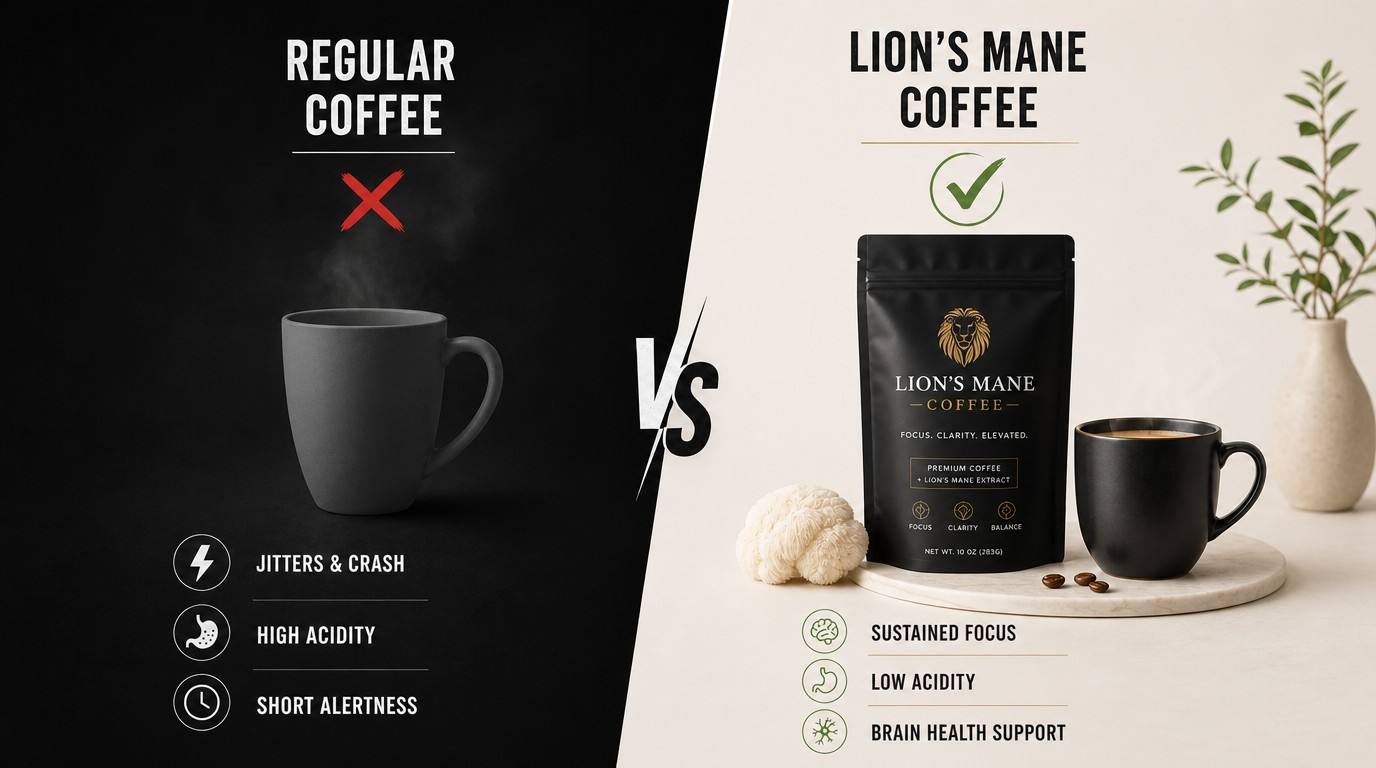
Lion’s Mane Mushroom Coffee vs Regular Coffee
| Feature | Regular Coffee | Lion’s Mane Mushroom Coffee |
|---|---|---|
| Main ingredient | Coffee beans | Coffee + Lion’s Mane mushroom |
| Caffeine | Usually yes | Usually yes |
| Mushroom compounds | No | Yes |
| Flavor | Traditional coffee taste | Coffee with possible earthy notes |
| Category | Traditional beverage | Functional beverage |
Regular coffee remains a popular choice for energy and flavor, while Lion’s Mane mushroom coffee appeals to consumers interested in adding functional ingredients to their daily routine.
How to Choose Quality Lion’s Mane Mushroom Coffee
With many mushroom coffee products available, consumers may consider several factors before choosing a product.
Check Ingredient Transparency
Look for clear information about:
- Coffee source
- Mushroom species
- Extract amount
- Additional ingredients
Consider Product Quality
Quality indicators may include:
- Manufacturing standards
- Ingredient testing
- Clear labeling
Choose a Suitable Flavor Style
Lion’s Mane mushroom coffee is available in many formats:
- Black coffee
- Latte blends
- Mocha flavors
- Instant packets
- Coffee pods
Consumers can choose based on personal taste preferences and preparation habits.
Frequently Asked Questions
Does Lion’s Mane mushroom coffee contain caffeine?
Yes. Most Lion’s Mane mushroom coffee products contain caffeine because they include coffee. Decaffeinated versions are also available.
What does Lion’s Mane mushroom coffee taste like?
Most products are designed to taste similar to traditional coffee. Some may have mild earthy or nutty notes depending on the mushroom ingredients and formulation.
Is Lion’s Mane mushroom coffee healthy?
Lion’s Mane mushroom coffee can be part of a balanced lifestyle. Research has explored the potential role of Lion’s Mane compounds in areas such as cognitive health and antioxidant activity, but more human studies are needed.
Scientific References
- Mori K, Inatomi S, Ouchi K, Azumi Y, Tuchida T.
Improving effects of the mushroom Yamabushitake (Hericium erinaceus) on mild cognitive impairment: A double-blind placebo-controlled clinical trial.
Phytotherapy Research. 2009;23(3):367–372. - Friedman M.
Chemistry, Nutrition, and Health-Promoting Properties of Hericium erinaceus Mushroom Fruiting Bodies and Mycelia and Their Bioactive Compounds.
Journal of Agricultural and Food Chemistry. 2015;63(32):7108–7123. - Khan MA, Tania M, Liu R, Rahman MM.
Hericium erinaceus: An edible mushroom with medicinal values.
Journal of Complementary and Integrative Medicine. 2013.