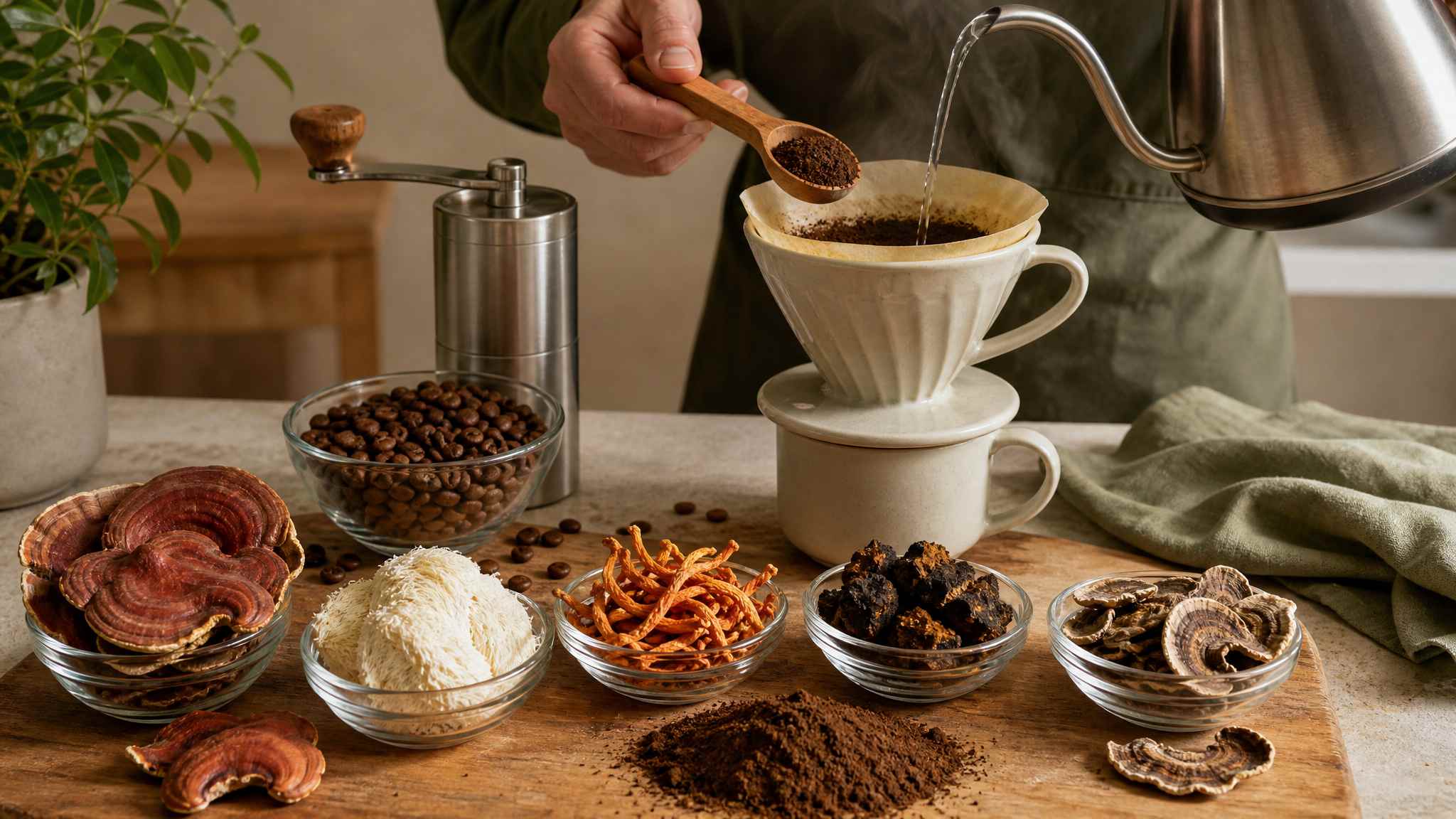


Inflammation is a natural defense mechanism that helps the body fight infections, heal wounds, and restore balance. However, when inflammation becomes chronic, it can quietly contribute to numerous health issues—from joint pain and fatigue to heart disease and metabolic disorders. In recent years, medicinal mushrooms have gained attention as natural allies in supporting a balanced inflammatory response. But with so many types available, which one works best?
This article explores how medicinal mushrooms help combat inflammation, what science says about their active compounds, and which species are most effective for different health needs.
Understanding Inflammation and Its Role in the Body
Inflammation occurs when the immune system releases signaling molecules such as cytokines to protect tissues from harm. Acute inflammation is short-term and essential for healing, while chronic inflammation can persist for months or years, often triggered by stress, poor diet, pollution, or underlying illness(Medzhitov, 2008).
Studies published in Nature Reviews Immunology describe chronic inflammation as a “silent contributor” to many degenerative diseases, including arthritis, diabetes, and even cognitive decline. This is why researchers have begun exploring natural anti-inflammatory substances—particularly those derived from mushrooms known for centuries in traditional Chinese and Japanese medicine.
How Medicinal Mushrooms Reduce Inflammation
Medicinal mushrooms contain a rich array of bioactive compounds—such as beta-glucans, triterpenoids, and phenolic acids—that interact with the immune system( Łysakowska et al., 2023). These compounds can modulate inflammatory pathways, helping the body maintain balance rather than suppressing immune function altogether.
According to research in Frontiers in Pharmacology, beta-glucans found in many fungi stimulate macrophage activity, increase antioxidant capacity, and reduce inflammatory cytokines like TNF-α and IL-6. Additionally, triterpenoids and polysaccharides act on signaling pathways (like NF-κB) that regulate inflammation at the cellular level.
Top Medicinal Mushrooms for Inflammation
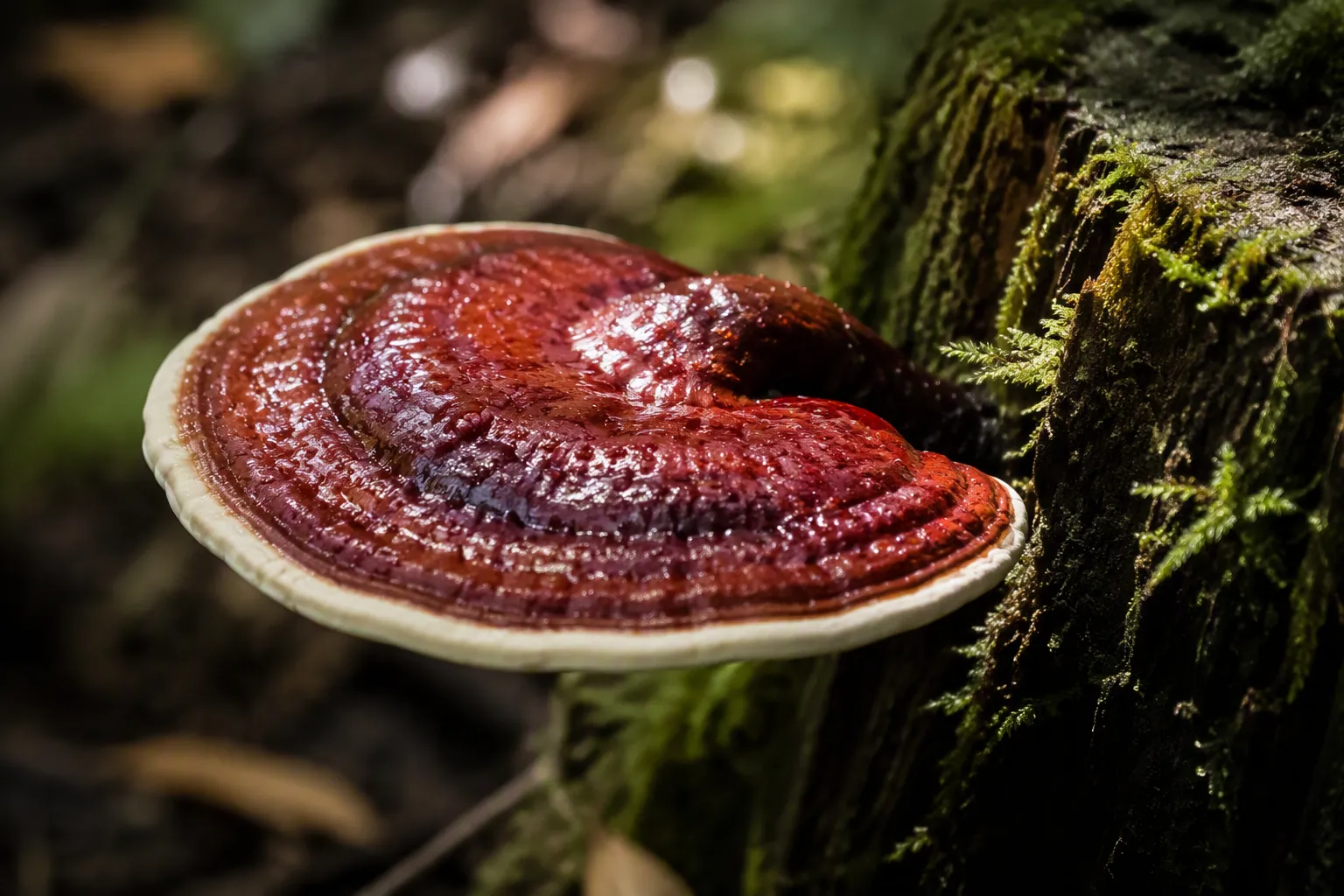
1. Reishi (Ganoderma lucidum): The All-Round Regulator
Reishi is often called the “mushroom of immortality” for its adaptogenic and immune-balancing properties. Studies in Phytotherapy Research have shown that Reishi extracts can suppress inflammatory mediators such as COX-2 and iNOS, reducing both oxidative stress and cytokine activity.
Its triterpenes—particularly ganoderic acids—appear to regulate immune overreactions, which makes Reishi useful for people dealing with chronic, low-grade inflammation or autoimmune tendencies. Regular supplementation may also promote better sleep and stress resilience, indirectly supporting inflammation control.
Best for: Overall inflammation balance, immune modulation, stress-related inflammation.
2. Chaga (Inonotus obliquus): The Antioxidant Powerhouse
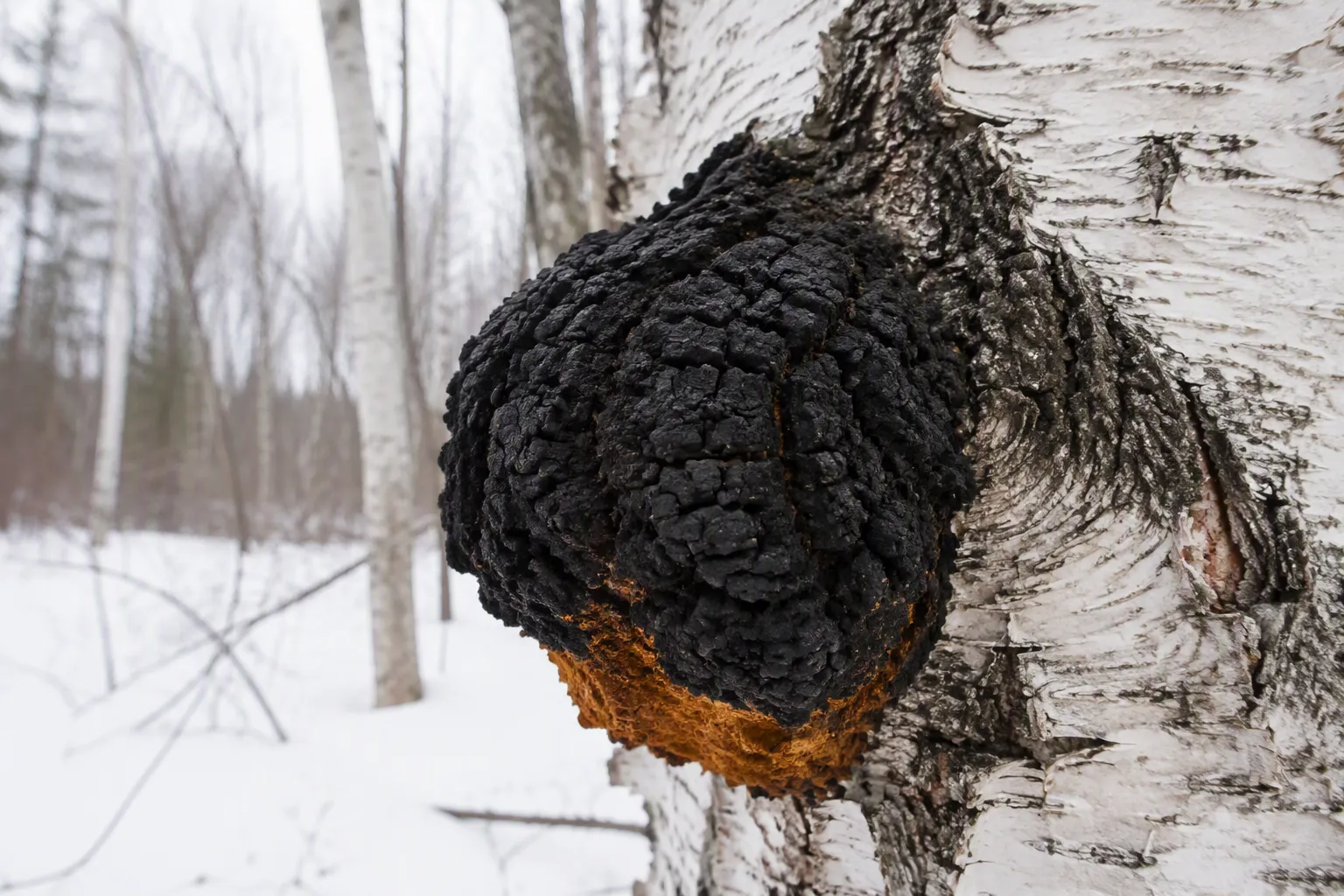
Chaga grows primarily on birch trees in cold climates and is rich in polyphenols, melanin, and betulinic acid—compounds with strong antioxidant and anti-inflammatory potential.
A 2022 study published in Antioxidants journal found that Chaga polysaccharides significantly reduced pro-inflammatory cytokines in animal models. The mushroom’s ability to neutralize free radicals also helps prevent oxidative stress, which is closely linked to chronic inflammation.
Best for: Oxidative stress, skin or gut inflammation, general immune defense.
3. Cordyceps (Cordyceps militaris / sinensis): For Energy and Recovery
Cordyceps is known for enhancing energy metabolism and oxygen utilization, but it also plays an anti-inflammatory role. Research in Journal of Ethnopharmacology reports that cordycepin—a key active compound—suppresses inflammatory markers such as IL-1β and TNF-α by inhibiting the NF-κB pathway.
Because of its dual function in energy and recovery, Cordyceps is often recommended for athletes or those experiencing fatigue linked to systemic inflammation.
Best for: Inflammation associated with fatigue, metabolic stress, or post-exercise recovery.

4. Lion’s Mane (Hericium erinaceus): Brain and Nerve Protection
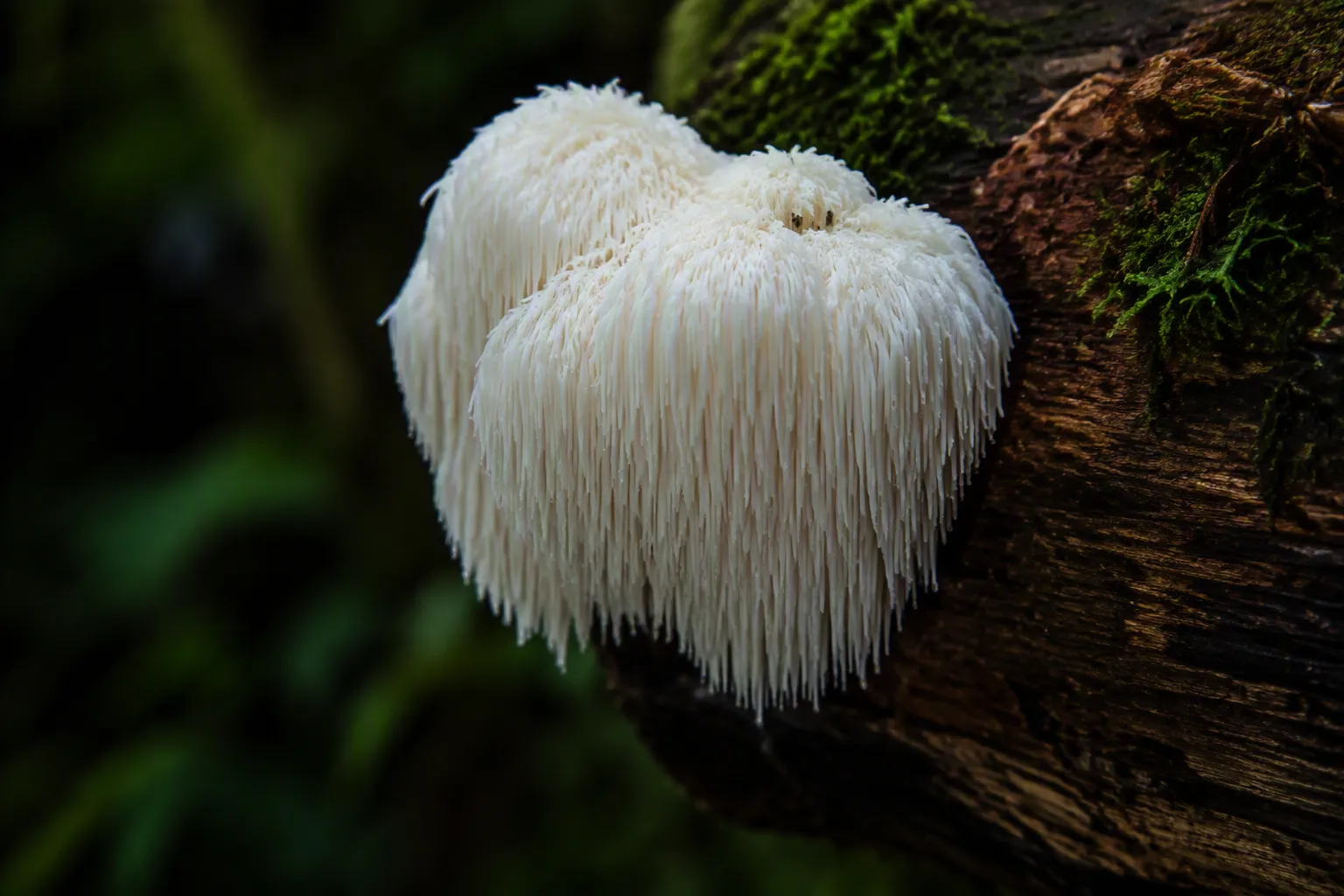
Lion’s Mane stands out for its ability to support the nervous system. Compounds called erinacines and hericenones stimulate nerve growth factor (NGF) production and reduce neuroinflammatory activity.
A review in International Journal of Molecular Sciences notes that Lion’s Mane extracts can reduce microglial activation—the process linked to brain inflammation—and may help protect against cognitive decline and mood disturbances.
Best for: Neuroinflammation, cognitive health, mood balance.
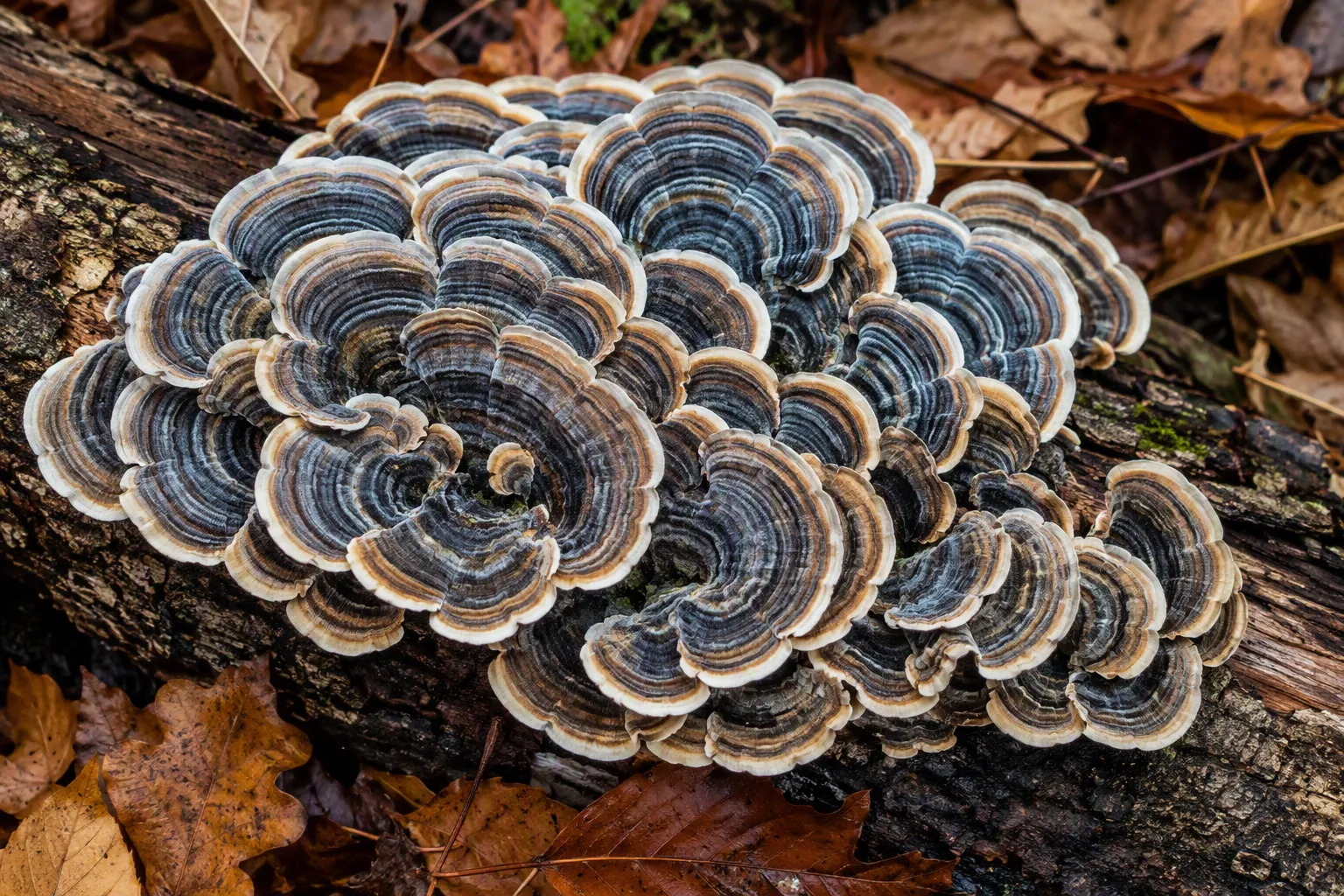
5. Turkey Tail (Trametes versicolor): Immune Modulation and Gut Health
Turkey Tail contains polysaccharopeptides (PSK and PSP) that enhance immune regulation and support gut microbiota diversity. Studies in Frontiers in Immunology suggest that these compounds help promote “immune homeostasis,” reducing the risk of chronic inflammation triggered by dysbiosis or immune imbalance.
Best for: Gut-related inflammation, immune support, and long-term immune balance.
How to Choose the Right Mushroom for Your Needs
Not all inflammation is the same, and neither are mushroom extracts. Choosing the right species depends on your health goals:
| Concern | Recommended Mushroom | Key Benefit |
| General inflammation | Reishi | Overall immune regulation |
| Oxidative stress | Chaga | High antioxidant content |
| Fatigue or metabolic inflammation | Cordyceps | Improves energy, reduces cytokines |
| Brain inflammation | Lion’s Mane | Neuroprotective and cognitive support |
| Gut or immune-related inflammation | Turkey Tail | Balances gut microbiota and immunity |
When selecting a product, look for standardized extracts that specify active compounds—such as ≥30% polysaccharides or defined triterpenoid content. Avoid unverified powders or blends with unclear sourcing, as mushroom quality strongly influences efficacy.
Using Medicinal Mushrooms Safely
Medicinal mushrooms are generally well tolerated, but quality and dosage matter. Capsules, powders, and tinctures all offer benefits, though extracts are usually more concentrated.
Experts recommend starting with low to moderate doses and observing your body’s response. Because mushrooms can influence immune and liver function, individuals taking immunosuppressants, anticoagulants, or diabetes medication should consult a healthcare professional first(Shu et al., 2025).
A 2023 review in Nutrients also highlights the importance of consistency—mild daily intake over several weeks is often more effective than high doses for a short period.
Final Thoughts: Natural Support for a Balanced Immune Response
Medicinal mushrooms are not quick fixes, but they can play a valuable role in reducing chronic inflammation when combined with a healthy diet, adequate sleep, and stress management.
Reishi and Chaga remain the most researched for general inflammation, while Lion’s Mane and Cordyceps offer targeted benefits for the brain and energy systems. For those looking for gentle immune regulation, Turkey Tail provides an excellent balance.
Incorporating these mushrooms into your routine—preferably through high-quality extracts—may help restore equilibrium in the body’s inflammatory processes, offering a natural and evidence-backed path toward long-term wellness.