

Coffee has always been more than just a source of caffeine. For many people, it is part of a daily ritual that provides comfort, focus, and a familiar start to the day. In recent years, consumers have shown growing interest in functional beverages that combine traditional foods with natural ingredients, leading to the rise of products such as organic mushroom coffee powder.
Organic mushroom coffee powder is a blend that combines coffee with organically grown mushroom ingredients, usually in the form of mushroom powder or mushroom extract. Unlike traditional coffee, which mainly focuses on flavor and caffeine, mushroom coffee belongs to a broader category of functional beverages designed around additional nutritional ingredients.

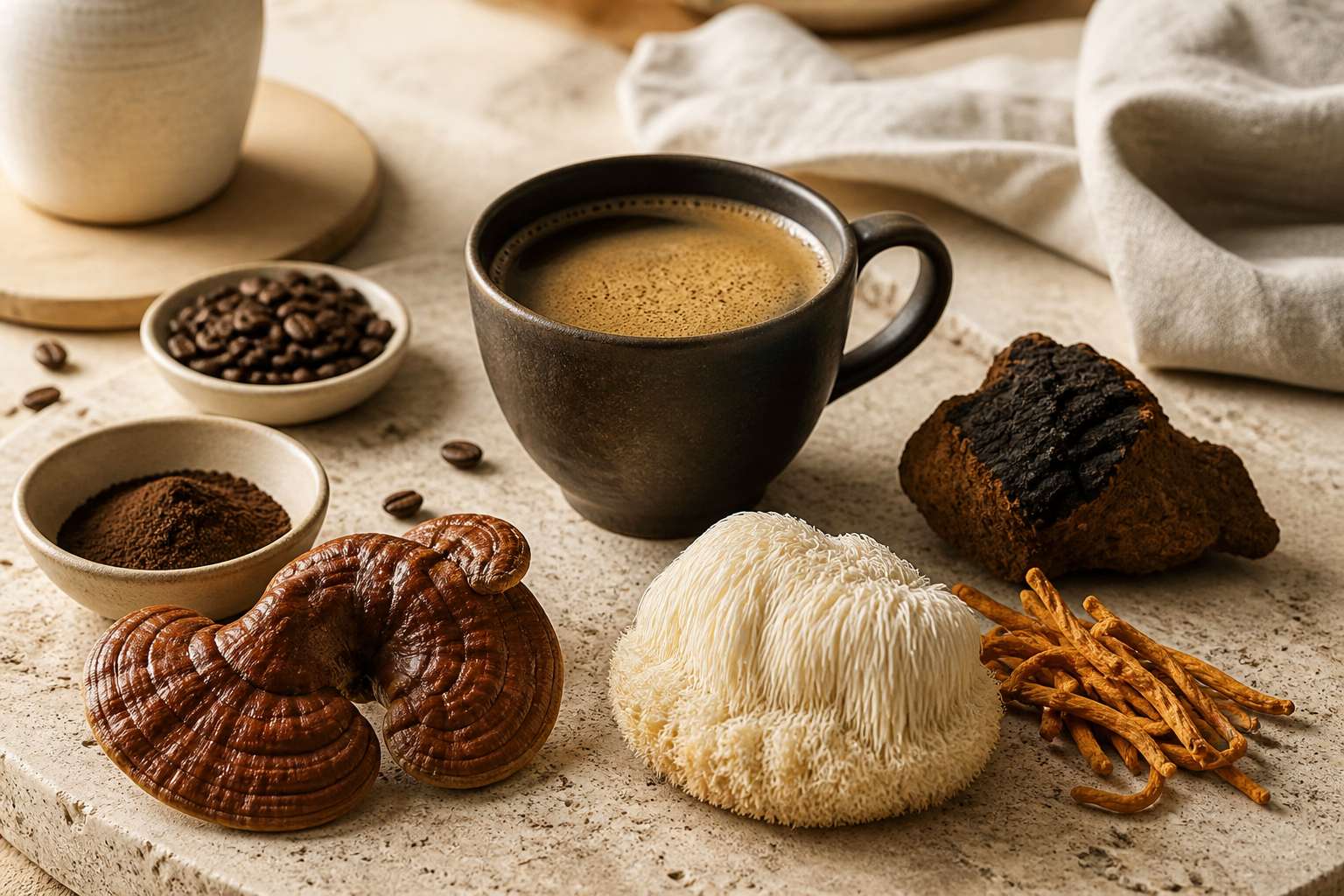
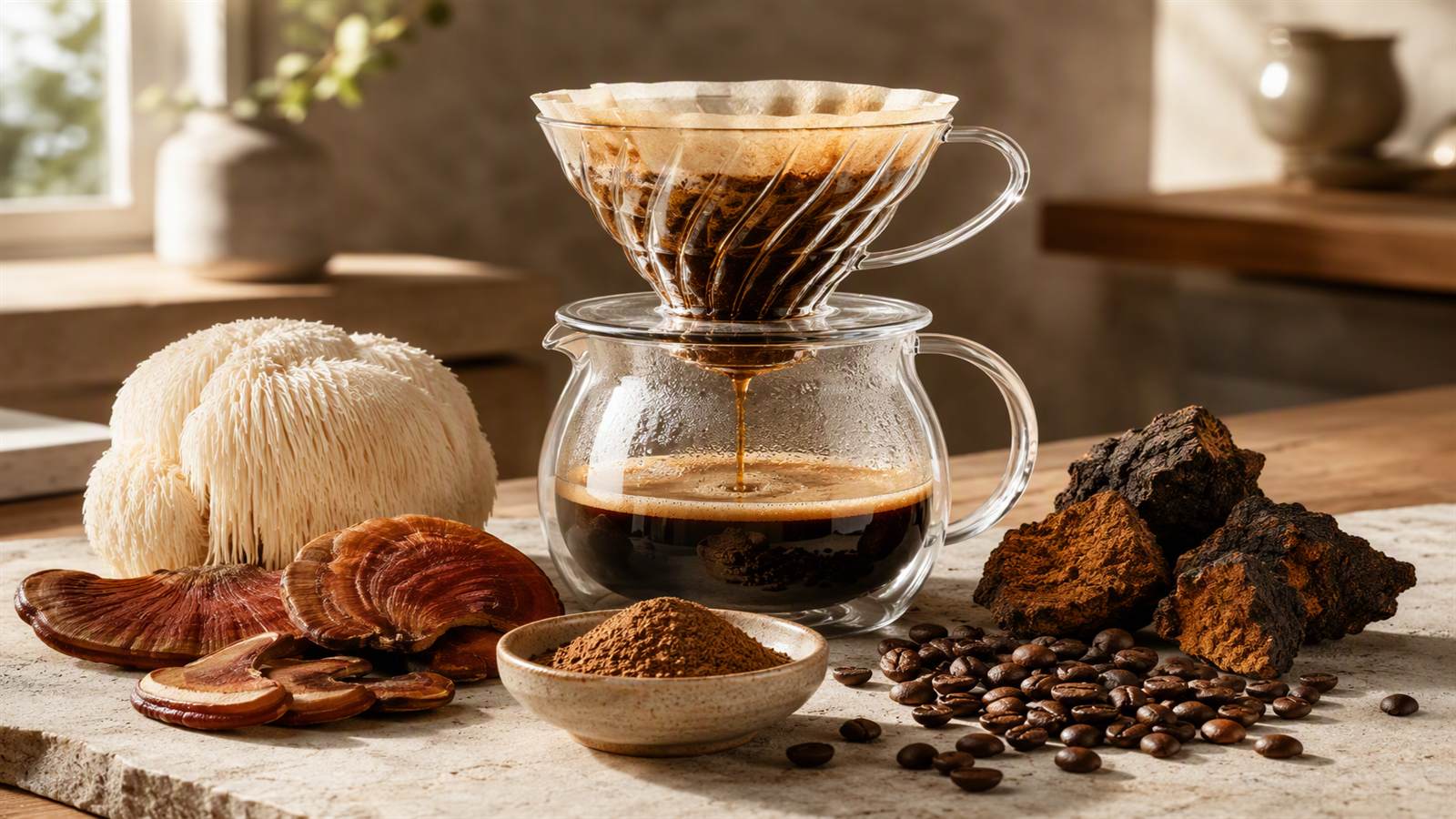
Common mushrooms used in these blends include Lion’s Mane, Reishi, Chaga, and Cordyceps. Each mushroom contains different naturally occurring compounds, including polysaccharides and beta-glucans, which have been studied for their biological properties.
While mushroom coffee is not a replacement for a balanced diet or healthy lifestyle, it has become popular among consumers looking for new ways to incorporate functional ingredients into their daily routines.
Understanding Organic Mushroom Coffee Powder
What Does “Organic” Mean in Mushroom Coffee?
The term “organic” refers to how agricultural ingredients are grown, processed, and handled according to specific organic standards.
For mushroom coffee products, organic ingredients may include:
- Organic coffee beans
- Organic mushroom cultivation methods
- Organic plant-based additives
Organic certification standards vary by region, but they generally focus on farming practices, restricted use of certain synthetic inputs, and production transparency.
It is important to note that “organic” does not automatically mean a product provides greater health benefits. Instead, organic certification provides consumers with additional information about ingredient sourcing and production methods.
For many consumers, choosing organic mushroom coffee is part of a broader preference for clean-label products and responsibly sourced ingredients.

How Is Organic Mushroom Coffee Powder Made?
The production process usually involves several stages.
First, mushrooms are cultivated under controlled conditions. After harvesting, they are dried and processed into powder or concentrated extracts.
Depending on the formulation, manufacturers may use:
- Whole mushroom powder
- Hot water extracts
- Dual extracts
- Mushroom blends
The processed mushroom ingredient is then combined with coffee powder or instant coffee to create the final product.
The type of mushroom processing can influence the concentration of naturally occurring compounds. For example, extraction methods are often used to concentrate certain components from mushrooms.
A high-quality mushroom coffee product typically provides clear information about:
- Mushroom species
- Ingredient amounts
- Extraction method
- Additional ingredients
Key Ingredients in Organic Mushroom Coffee Powder
Coffee Powder
Coffee remains the primary ingredient in most mushroom coffee blends.
The coffee component contributes:
- Traditional coffee flavor
- Aroma
- Natural caffeine
Different coffee varieties can influence the final taste.
Arabica coffee is often associated with smoother flavors and mild acidity, while Robusta coffee generally provides stronger flavor and higher caffeine content.
Mushroom Powder or Mushroom Extract
The mushroom ingredient is what differentiates mushroom coffee from regular coffee.
Common varieties include:
Lion’s Mane Mushroom
Lion’s Mane (Hericium erinaceus) is one of the most popular ingredients in functional mushroom beverages.
It has attracted scientific interest because it contains compounds such as hericenones and erinacines, which have been studied for their relationship with nerve growth factor pathways.
Reishi Mushroom
Reishi (Ganoderma lucidum) has a long history of traditional use.
It is commonly included in mushroom coffee blends because of its naturally occurring compounds, including triterpenes and polysaccharides.
Reishi often contributes a deeper earthy flavor compared with Lion’s Mane.
Chaga Mushroom
Chaga (Inonotus obliquus) is known for its dark appearance and rich composition.
Research has examined Chaga for its antioxidant-related properties and naturally occurring compounds.
Cordyceps Mushroom
Cordyceps (Cordyceps militaris) is another mushroom commonly found in functional beverage blends.
It is often included in products positioned around energy and daily performance.
Potential Benefits of Organic Mushroom Coffee Powder
Research into functional mushrooms continues to develop. While current studies are promising, many areas require additional human research.
May Support Focus and Mental Performance
One of the main reasons consumers choose mushroom coffee, especially Lion’s Mane mushroom coffee, is its connection with cognitive health research.
A clinical study published in Phytotherapy Research investigated the effects of Lion’s Mane supplementation in adults with mild cognitive impairment.
The study found that participants receiving Lion’s Mane showed improvements in cognitive function scores during the supplementation period compared with the placebo group.
However, the study was relatively small, and more research is needed to understand the long-term effects.
For consumers, mushroom coffee is often viewed as a convenient way to combine coffee habits with interest in cognitive wellness.
Provides Energy Through Natural Caffeine
Although mushrooms receive most of the attention, coffee remains the main source of stimulation in mushroom coffee products.
Caffeine works by interacting with adenosine receptors in the brain, which may help increase alertness and reduce feelings of fatigue.
The caffeine content depends on:
- Coffee type
- Serving size
- Product formulation
Consumers who are sensitive to caffeine should consider their total daily caffeine intake from all sources.
Contains Naturally Occurring Bioactive Compounds
Functional mushrooms contain various naturally occurring compounds that researchers continue to study.
Examples include:
- Beta-glucans
- Polysaccharides
- Polyphenols
- Triterpenes
Laboratory research suggests these compounds may have biological activity, but results from laboratory studies do not always directly translate to human outcomes.
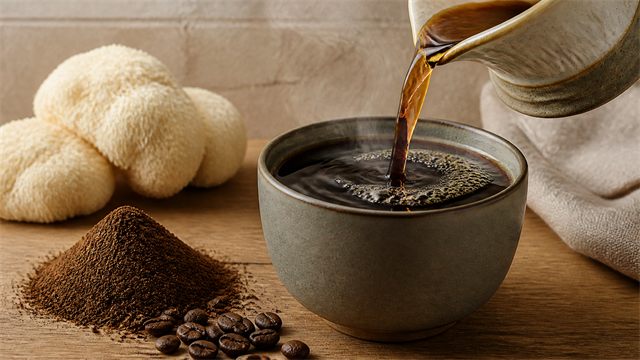
How to Use Organic Mushroom Coffee Powder
One reason mushroom coffee powder has become popular is its convenience.
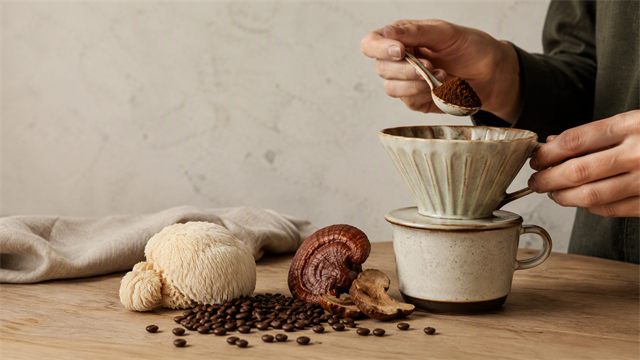
Most products can be prepared similarly to instant coffee.
Common methods include:
Traditional Hot Coffee Preparation
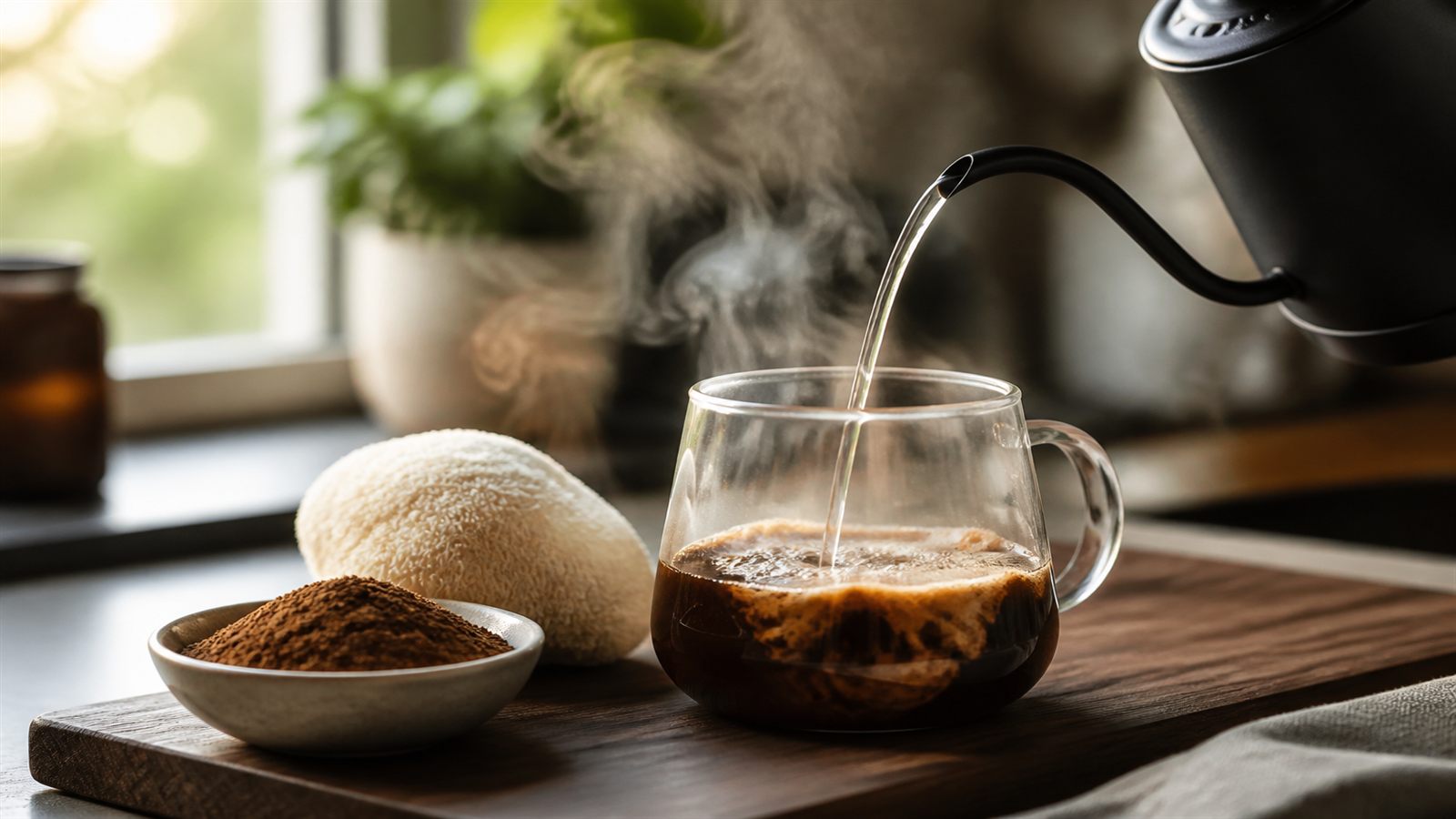
Mix mushroom coffee powder with hot water and stir until dissolved.
Mushroom Coffee Latte
Many consumers combine mushroom coffee powder with:
- Milk
- Oat milk
- Almond milk
- Coconut milk
This can create a smoother texture and softer flavor.
Adding Mushroom Coffee to Recipes
Some people incorporate mushroom coffee powder into:
- Smoothies
- Protein drinks
- Breakfast recipes
This allows consumers to include functional ingredients in different ways.
Organic Mushroom Coffee Powder vs Regular Coffee
| Feature | Regular Coffee | Organic Mushroom Coffee Powder |
|---|---|---|
| Main ingredient | Coffee | Coffee + mushroom ingredients |
| Caffeine | Usually yes | Usually yes |
| Functional mushrooms | No | Yes |
| Flavor | Traditional coffee | Coffee with earthy notes |
| Ingredient focus | Coffee experience | Functional beverage concept |
The main difference is the addition of mushroom-derived ingredients. The choice between regular coffee and mushroom coffee depends on individual taste preferences and lifestyle goals.

How to Choose a Quality Mushroom Coffee Powder
Consumers evaluating mushroom coffee products may consider several factors.
Check Ingredient Transparency
Look for clear information about:
- Mushroom species
- Amount of mushroom ingredient
- Coffee source
- Additional additives
Understand Mushroom Sources
Some products specify whether they use:
- Fruiting bodies
- Mycelium
- Extracts
Understanding these details helps consumers compare different products.
Look for Clean Label Formulas
Many consumers prefer products with:
- Simple ingredient lists
- No unnecessary additives
- Clearly identified ingredients
Frequently Asked Questions
Does organic mushroom coffee powder contain caffeine?
Most mushroom coffee products contain caffeine because they include coffee. The exact amount depends on the formulation and serving size.
Does mushroom coffee taste like mushrooms?
Most mushroom coffee tastes similar to regular coffee. Depending on the mushroom type, it may have mild earthy, nutty, or woody notes.
Is organic mushroom coffee healthier than regular coffee?
Organic mushroom coffee provides a different ingredient profile because it contains mushroom components. However, individual health outcomes depend on overall diet and lifestyle.
Scientific References
- Mori K, Inatomi S, Ouchi K, Azumi Y, Tuchida T.
Improving effects of the mushroom Yamabushitake (Hericium erinaceus) on mild cognitive impairment: A double-blind placebo-controlled clinical trial.
Phytotherapy Research. 2009;23(3):367–372. - Friedman M.
Chemistry, Nutrition, and Health-Promoting Properties of Hericium erinaceus Mushroom Fruiting Bodies and Mycelia and Their Bioactive Compounds.
Journal of Agricultural and Food Chemistry. 2015;63(32):7108–7123. - Wasser SP.
Medicinal mushroom science: Current perspectives and future directions.
International research reviews on edible and medicinal mushrooms.