

Coffee has long been part of daily routines around the world, valued for its aroma, flavor, and natural caffeine content. In recent years, consumers have become increasingly interested in functional beverages that combine familiar drinks with natural ingredients, leading to the popularity of products such as Chaga mushroom coffee.
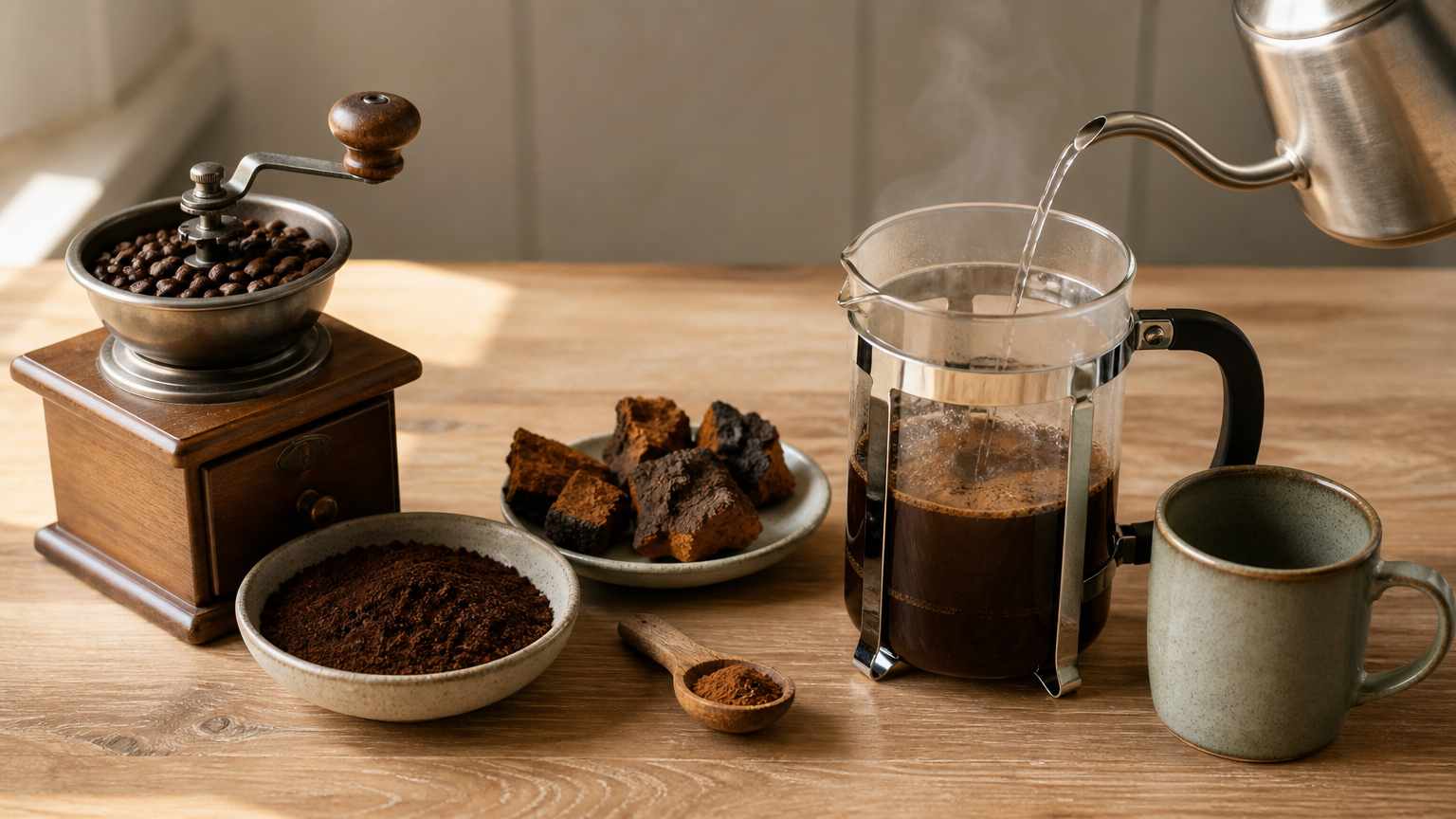
Chaga mushroom coffee is a blend that combines traditional coffee with Chaga mushroom (Inonotus obliquus), a functional mushroom that has been studied for its naturally occurring compounds, including polysaccharides, beta-glucans, and antioxidant-related components.
Unlike regular coffee, which focuses mainly on caffeine and taste, mushroom coffee belongs to a growing category of functional beverages designed around additional botanical and mushroom ingredients.

For consumers exploring new coffee options, understanding the ingredients, potential benefits, flavor characteristics, and preparation methods can help determine whether Chaga mushroom coffee fits their daily lifestyle.
What Is Chaga Mushroom?
Understanding Chaga Mushroom (Inonotus obliquus)
Chaga is a type of fungus that commonly grows on birch trees in colder regions, including parts of Northern Europe, Asia, and North America.
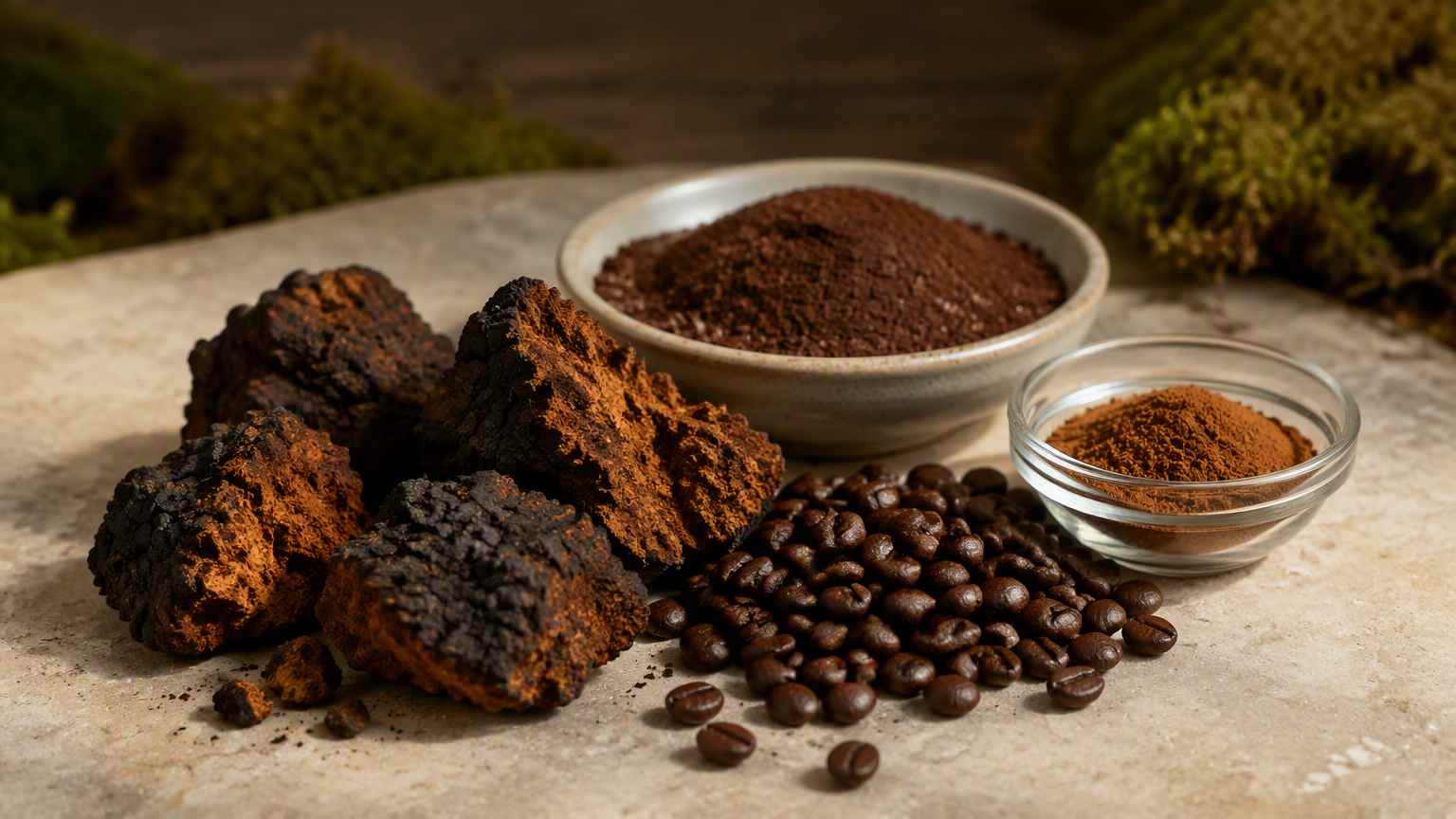
Unlike typical mushrooms with visible caps and stems, Chaga forms a dark, irregular structure called a conk on the outside of tree bark. Traditionally, Chaga has been used in various cultures as a natural ingredient in beverages and wellness practices.
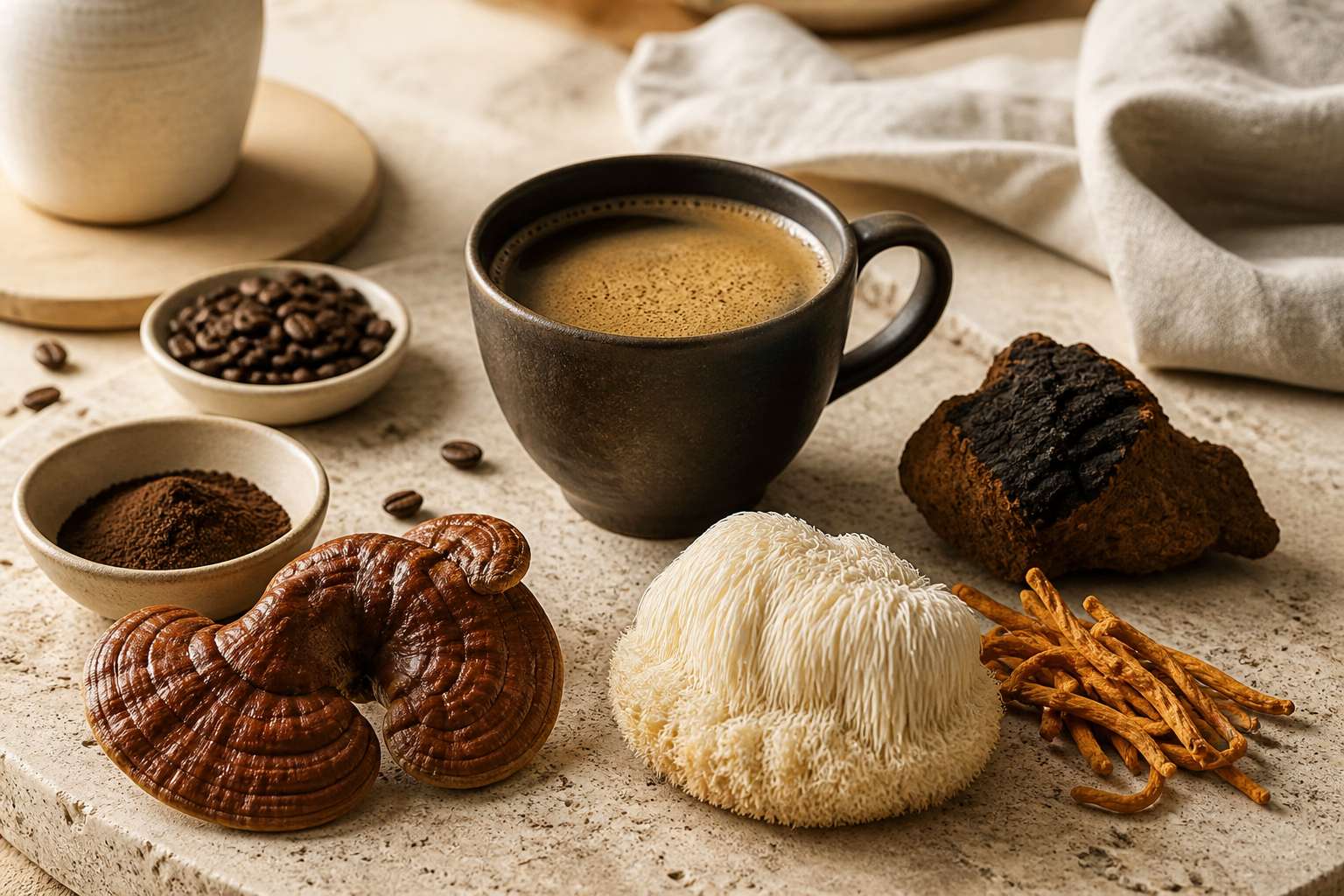
Today, Chaga is considered one of the well-known functional mushrooms, alongside varieties such as Lion’s Mane, Reishi, and Cordyceps.
Modern research has focused on Chaga because it contains naturally occurring compounds such as:
- Beta-glucans
- Polyphenols
- Melanin compounds
- Polysaccharides
These compounds have been investigated in laboratory and nutritional studies for their potential biological activities.
However, while research is ongoing, Chaga mushroom coffee should be viewed as a functional beverage rather than a medical product.
Why Is Chaga Added to Coffee?
The popularity of Chaga mushroom coffee comes from combining two different beverage traditions.
Coffee provides:
- Familiar roasted flavor
- Natural caffeine
- A daily drinking ritual
Chaga contributes:
- Mushroom-derived compounds
- A unique earthy flavor profile
- Functional ingredient appeal
This combination creates a beverage that fits the growing consumer interest in functional foods and drinks.
Many people choose mushroom coffee because they want to explore alternatives to traditional coffee while maintaining the experience of enjoying a warm morning beverage.
Ingredients in Chaga Mushroom Coffee
The exact formulation of Chaga mushroom coffee varies between products, but most blends include several key components.
1. Coffee Base
Coffee is usually the primary ingredient in mushroom coffee products.
Common coffee options include:
Arabica Coffee
Arabica beans are often preferred for their smoother flavor, mild acidity, and aromatic characteristics.
Robusta Coffee
Robusta beans generally provide a stronger flavor profile and higher caffeine content.
Instant Coffee Powder
Many mushroom coffee products use instant coffee because it provides convenience and consistent preparation.
The coffee type affects the final taste, caffeine level, and overall drinking experience.
2. Chaga Mushroom Powder or Extract
The second major ingredient is Chaga mushroom.
Products may use:
Chaga Mushroom Powder
This is created by drying and grinding Chaga into a fine powder.
Chaga Mushroom Extract
Extracts are processed to concentrate certain mushroom compounds.
When evaluating Chaga mushroom extract products, consumers may look for information such as:
- Mushroom source
- Extraction method
- Ingredient transparency
- Additional testing information
Different processing methods can influence the composition of the final product.
3. Additional Functional Ingredients
Some Chaga mushroom coffee blends include other ingredients to improve flavor or create specific formulations.
Common additions include:
- Lion’s Mane mushroom
- Reishi mushroom
- Cordyceps mushroom
- Coconut milk powder
- Cocoa
- Cinnamon
- Vanilla
These ingredients can influence the taste, texture, and overall positioning of the beverage.
Potential Benefits of Chaga Mushroom Coffee
Research into Chaga and other medicinal mushrooms continues to develop. Current studies suggest several areas of interest, although more human research is needed.
1. Contains Naturally Occurring Antioxidant Compounds
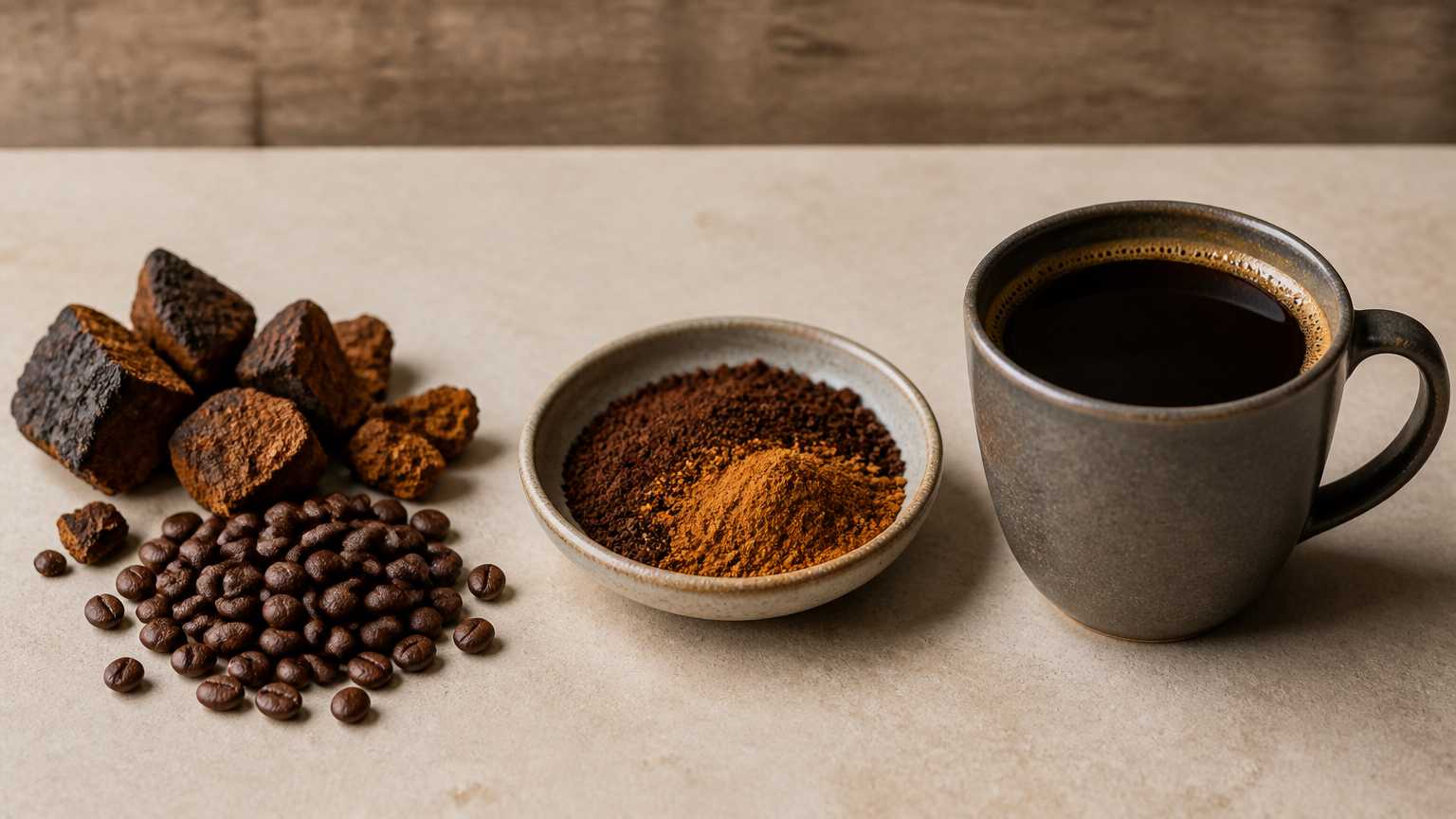
One of the main areas of Chaga research involves antioxidant activity.
Studies have identified various antioxidant-related compounds in Chaga, including polyphenols and melanin-related compounds.
A study published in International Journal of Medicinal Mushrooms examined antioxidant properties of Chaga extracts and found that Chaga contains compounds with antioxidant activity in laboratory testing.
However, laboratory results do not always directly represent effects in humans.
For consumers, Chaga mushroom coffee can be viewed as a way to incorporate mushroom-derived compounds into a balanced diet.
2. Provides Caffeine for Daily Energy
Because Chaga mushroom coffee contains coffee, it provides caffeine.
Caffeine is one of the most widely studied natural compounds and is known for its relationship with alertness and wakefulness.
Depending on the formulation, Chaga coffee may provide:
- Morning energy support
- Increased alertness
- A familiar coffee experience
The caffeine amount depends on the coffee type, serving size, and preparation method.
3. Supports Interest in Functional Wellness
The popularity of Chaga mushroom coffee reflects a broader consumer trend toward functional beverages.
Many consumers are looking for products that combine:
- Natural ingredients
- Convenient preparation
- Traditional food experiences
- Modern nutrition concepts
Functional mushrooms have become part of this trend because they contain a variety of naturally occurring compounds being studied by researchers.
How Does Chaga Mushroom Coffee Work?
Chaga mushroom coffee combines the characteristics of coffee with mushroom-derived ingredients.
The Role of Coffee
After drinking coffee, caffeine interacts with the nervous system and may help increase alertness.
Coffee contributes:
- Flavor
- Aroma
- Stimulation from caffeine
The Role of Chaga Compounds
Chaga contains several bioactive compounds that researchers continue to investigate.
Examples include:
- Beta-glucans
- Polysaccharides
- Polyphenols
Scientific studies have explored how these compounds interact with biological systems, although more clinical research is needed.
How to Make Chaga Mushroom Coffee
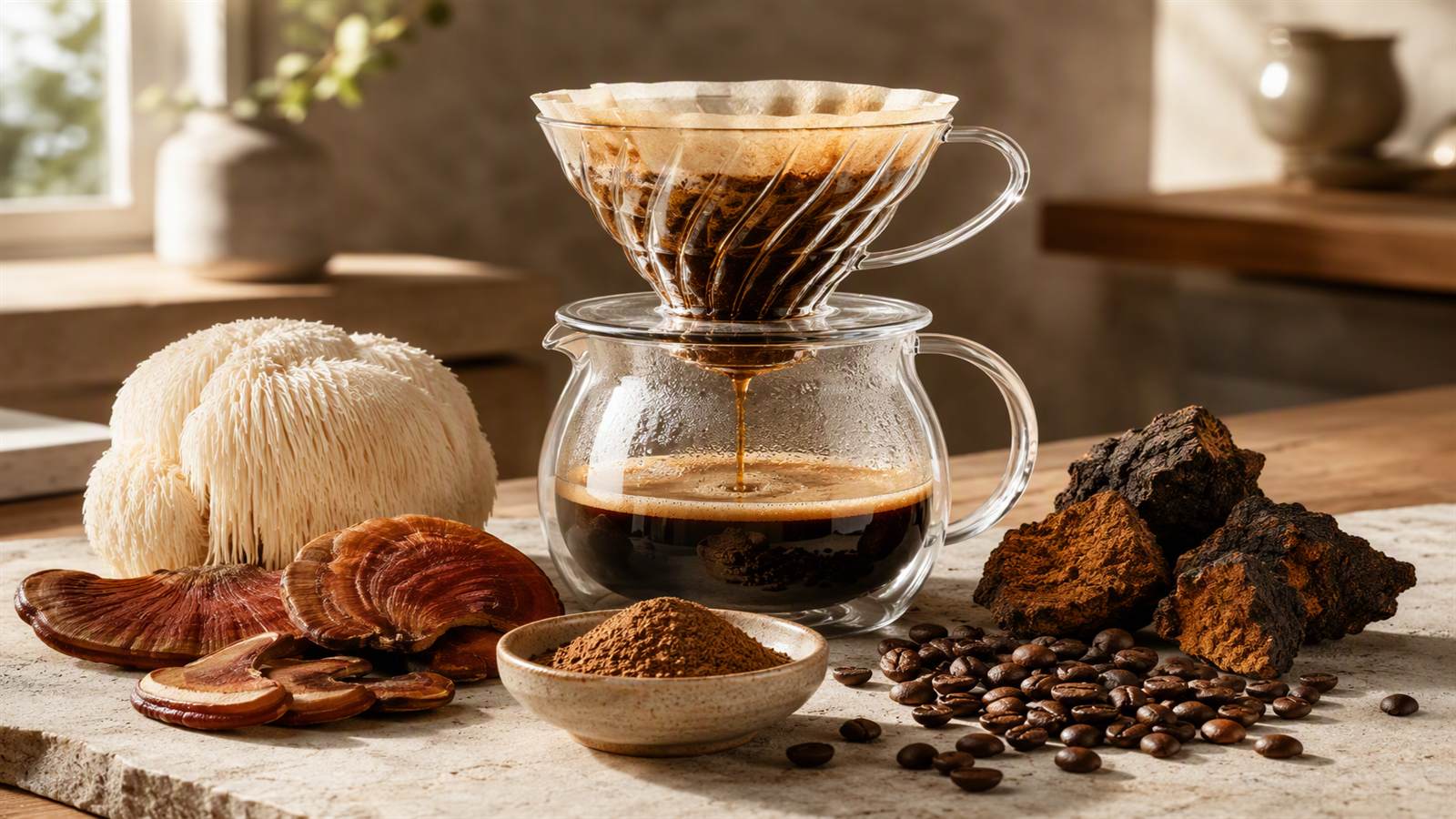
One reason mushroom coffee has become popular is that it is easy to prepare.
Method 1: Using Chaga Mushroom Coffee Powder
A simple preparation method:
- Add Chaga mushroom coffee powder to a cup.
- Pour in hot water.
- Stir until fully mixed.
- Add milk or natural sweeteners if desired.
Method 2: Making a Chaga Coffee Latte
Many consumers enjoy Chaga coffee as a latte.
Common additions include:
- Oat milk
- Almond milk
- Coconut milk
- Cinnamon
- Vanilla
These ingredients can create a smoother flavor and reduce the intensity of earthy mushroom notes.
What Does Chaga Mushroom Coffee Taste Like?
Chaga mushroom coffee usually tastes similar to traditional coffee, with additional earthy characteristics.
Common flavor descriptions include:
- Earthy
- Woody
- Smooth
- Slightly nutty
The final taste depends on:
- Coffee roast level
- Chaga concentration
- Additional ingredients
Dark roast coffee often pairs well with Chaga because the stronger roasted flavor balances the mushroom notes.
Chaga Mushroom Coffee vs Regular Coffee
| Feature | Regular Coffee | Chaga Mushroom Coffee |
|---|---|---|
| Main ingredient | Coffee beans | Coffee + Chaga |
| Caffeine | Usually yes | Usually yes |
| Mushroom compounds | No | Yes |
| Flavor | Traditional coffee | Coffee with earthy notes |
| Category | Coffee beverage | Functional mushroom beverage |
The main difference is the addition of Chaga ingredients, which gives mushroom coffee a different nutritional and flavor profile.

How to Choose Quality Chaga Mushroom Coffee
Consumers considering Chaga coffee may look at several factors.
Check Ingredient Transparency
A clear product label should provide information about:
- Chaga ingredient type
- Coffee source
- Additional ingredients
Understand Extract Information
Important details may include:
- Extract ratio
- Mushroom species
- Processing method
Consider Personal Taste Preferences
Different blends offer different experiences.
Consumers who prefer traditional coffee flavors may enjoy lighter Chaga formulations, while those who enjoy earthy beverages may prefer stronger mushroom blends.
Frequently Asked Questions
Does Chaga mushroom coffee contain caffeine?
Yes. Most Chaga mushroom coffee products contain caffeine because they use coffee as the main ingredient.
Is Chaga mushroom coffee the same as regular coffee?
No. Chaga mushroom coffee combines coffee with Chaga mushroom powder or extract, creating a functional beverage with additional mushroom ingredients.
Can you drink Chaga mushroom coffee every day?
Many people include mushroom coffee as part of their daily beverage routine. Individual caffeine tolerance and dietary needs should always be considered.
What does Chaga coffee taste like?
Chaga coffee generally has a coffee flavor combined with mild earthy and woody notes.
Scientific References
- Cui Y, Kim DS, Park KC.
Antioxidant effect of Inonotus obliquus.
Journal of Ethnopharmacology. - Lee IK, Yun BS.
Highly oxygenated and unsaturated polyketides from the Chaga mushroom (Inonotus obliquus). - Wasser SP.
Medicinal mushroom science: Current perspectives and future directions.
Conclusion
Chaga mushroom coffee combines the familiar experience of coffee with the unique characteristics of a functional mushroom ingredient.
With its earthy flavor, mushroom-derived compounds, and simple preparation methods, it has become an increasingly popular choice among consumers interested in functional beverages.
Current research continues to explore Chaga’s naturally occurring compounds and their potential biological roles. As interest in mushroom-based nutrition grows, Chaga mushroom coffee represents one example of how traditional ingredients are being incorporated into modern daily routines.