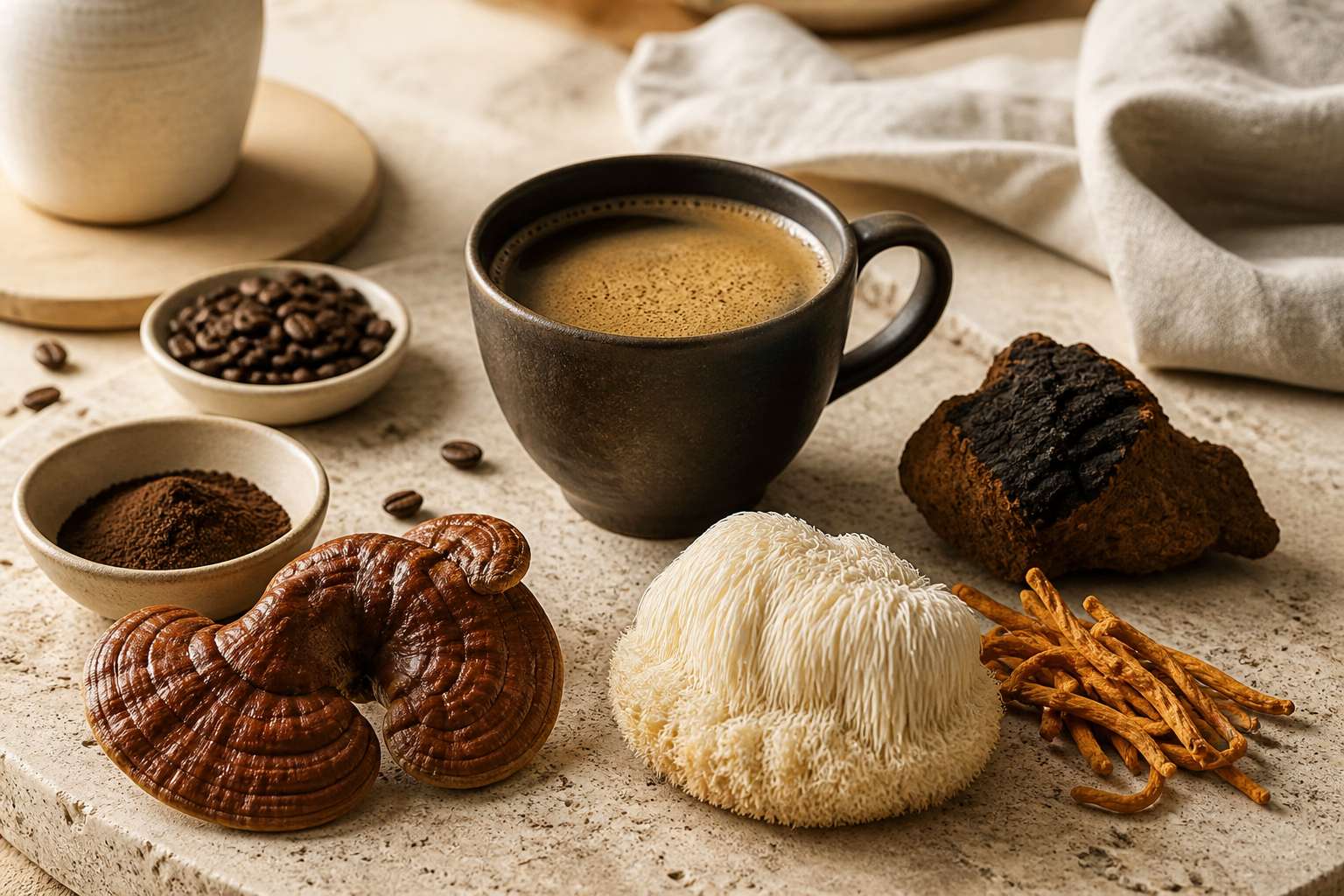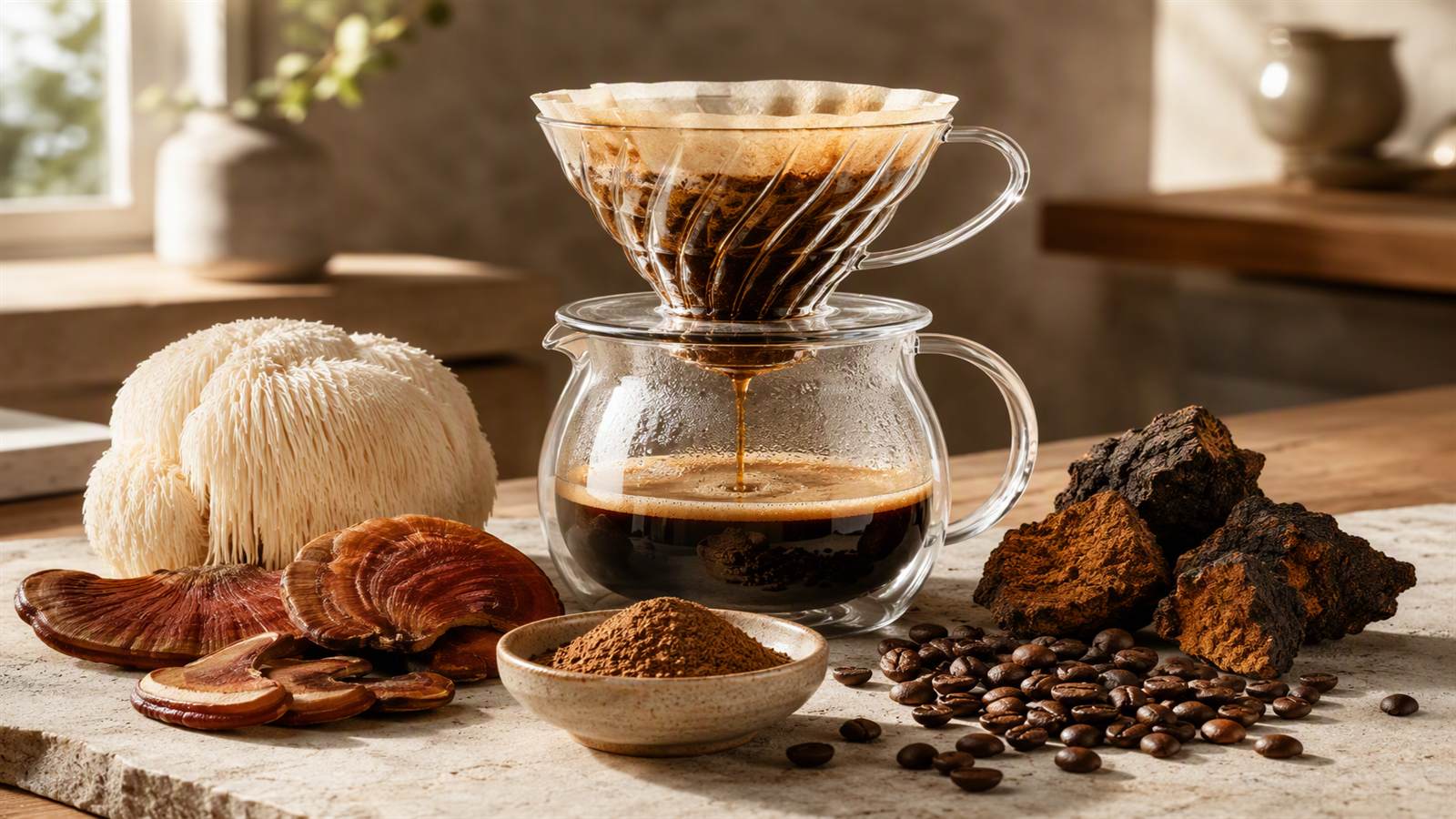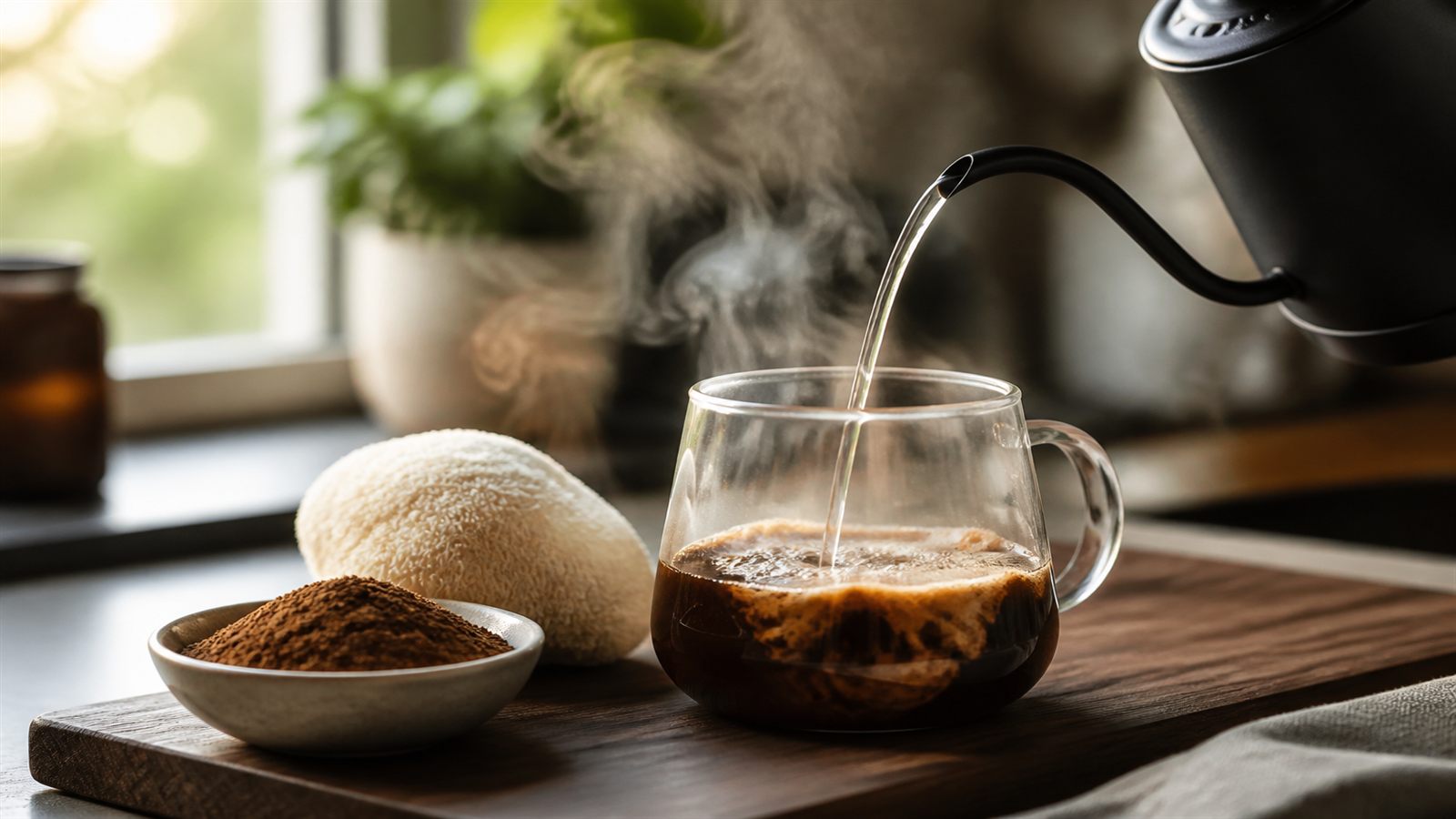


Coffee has always been more than a source of caffeine. For many people, it represents a daily ritual associated with focus, comfort, and routine. In recent years, the coffee market has expanded beyond traditional products, with growing interest in functional beverages that combine coffee with natural ingredients.
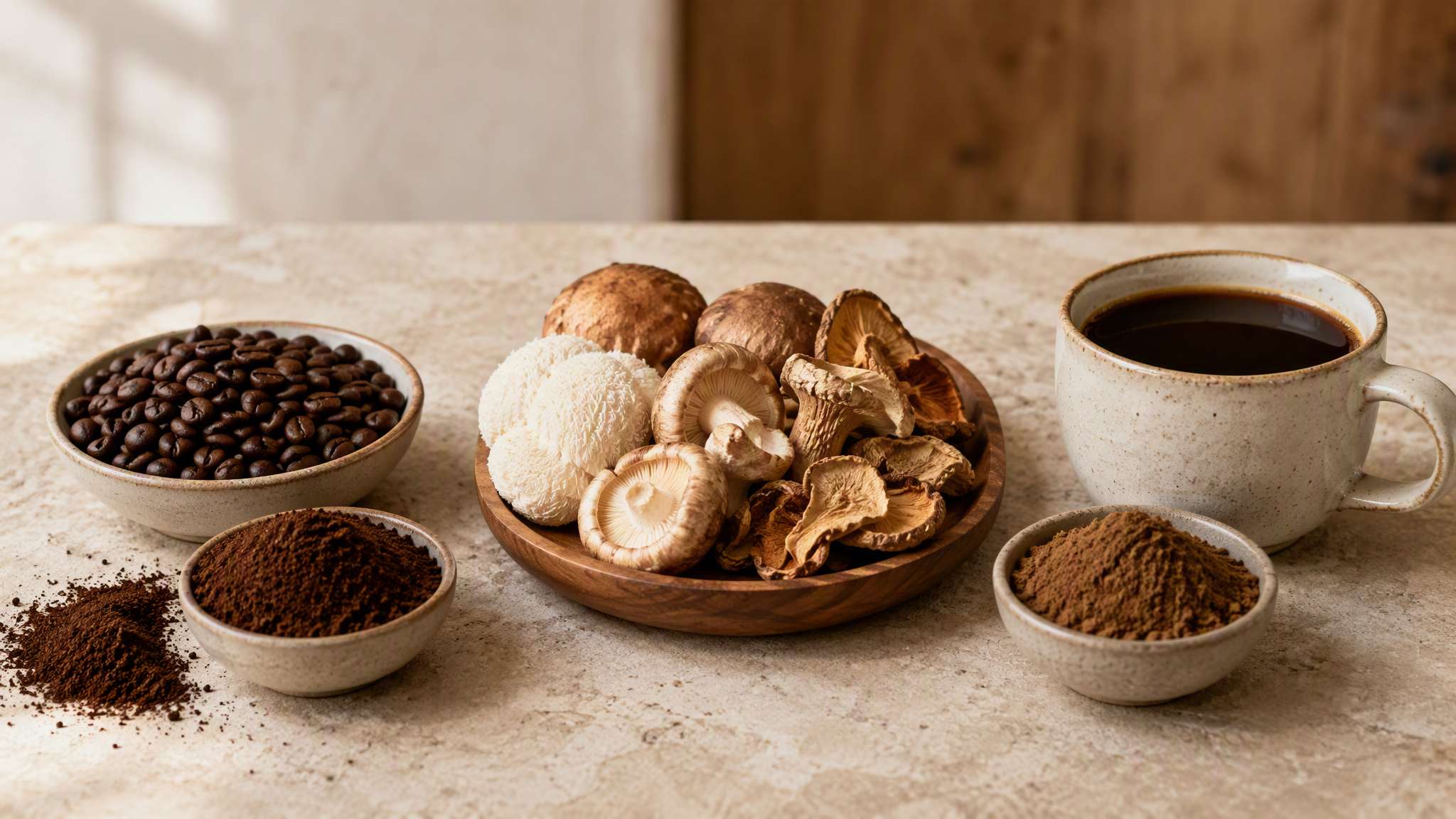
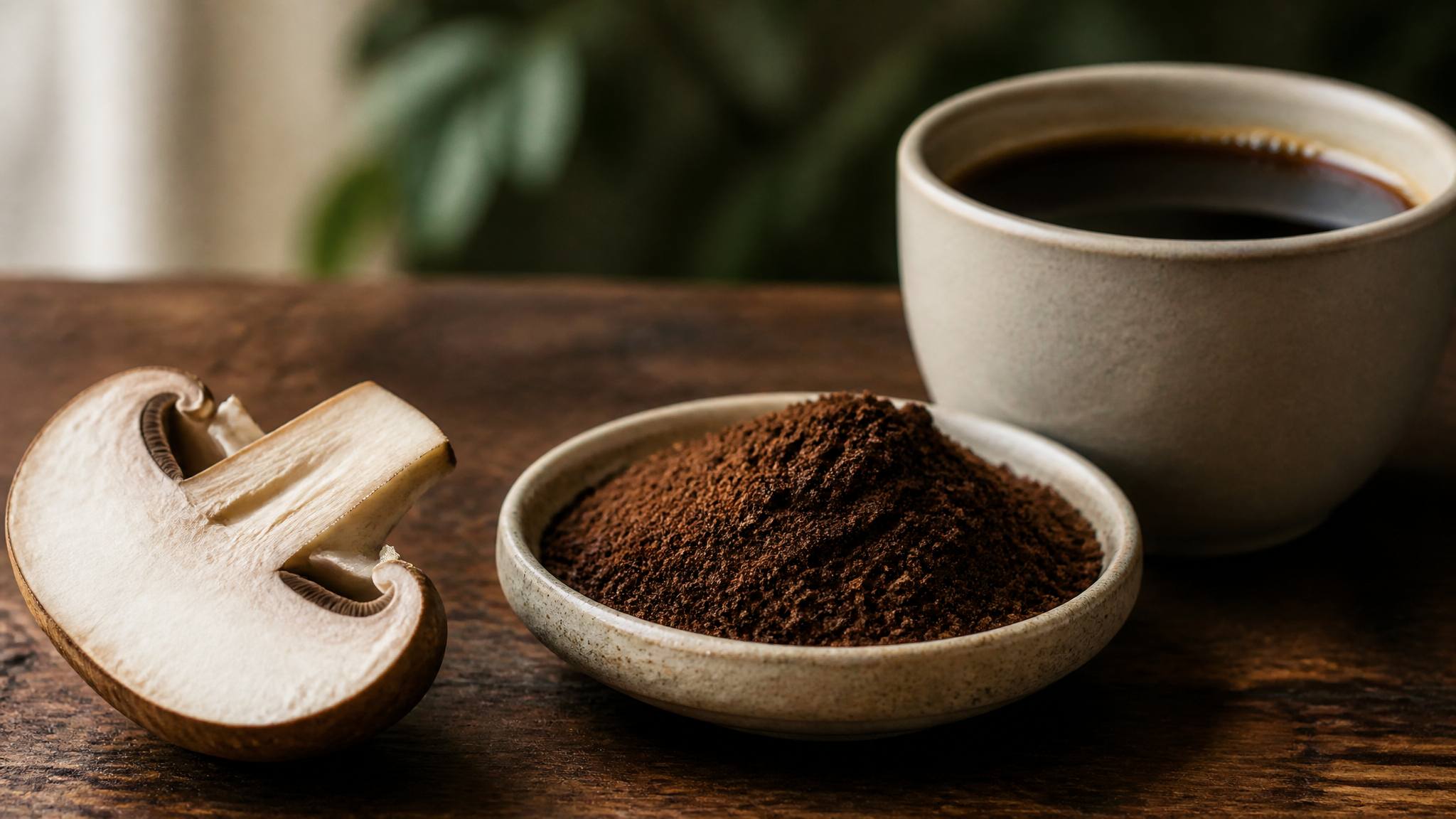
A mushroom coffee blend is one example of this trend. It combines coffee with functional mushrooms such as Lion’s Mane, Reishi, Chaga, or Cordyceps to create a beverage that offers the familiar experience of coffee while incorporating mushroom-derived ingredients.
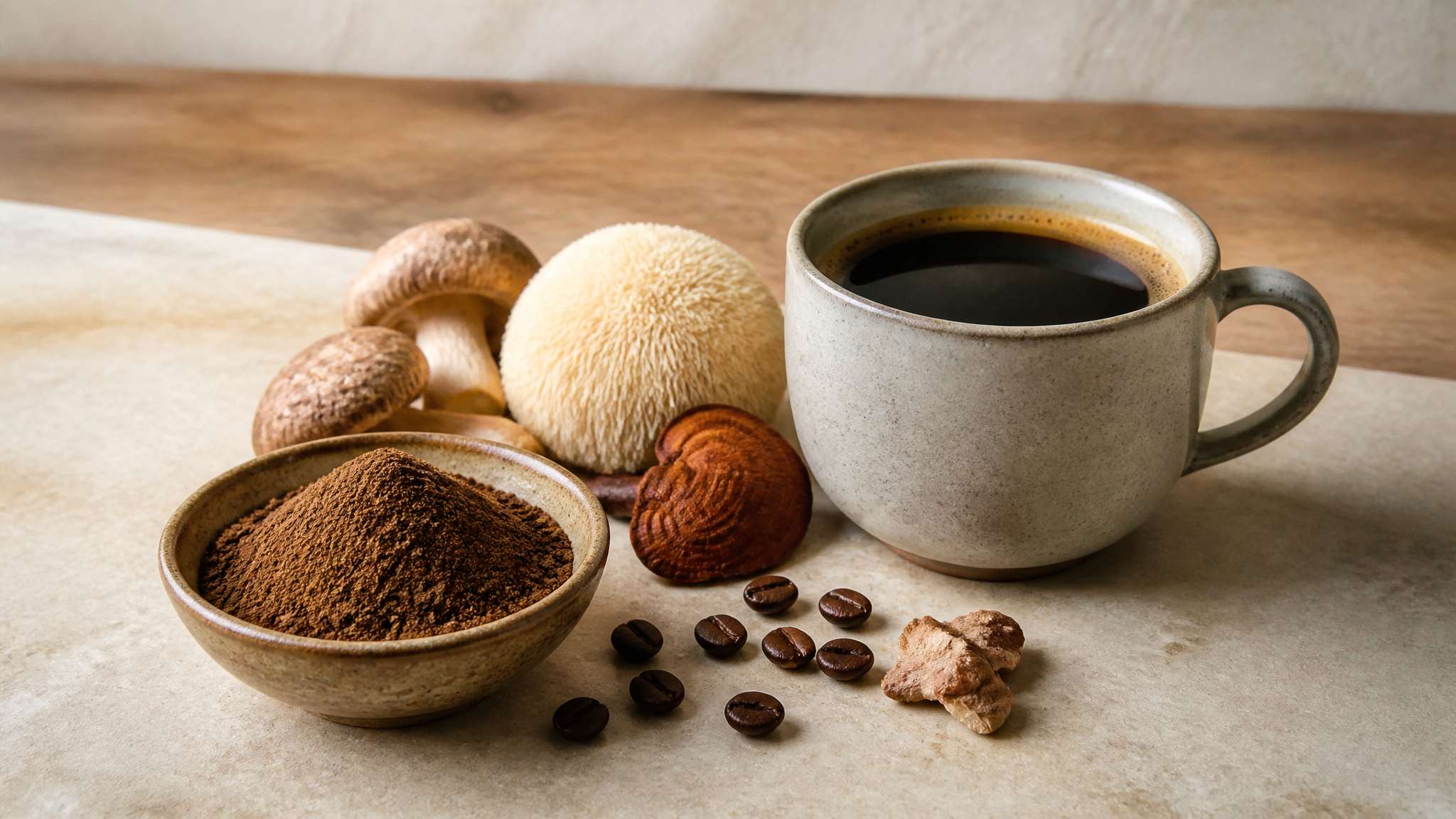
Unlike traditional coffee, which mainly focuses on flavor and caffeine, mushroom coffee blends are designed around a broader concept: combining everyday beverages with functional food ingredients.
Understanding the ingredients, formulation methods, and potential benefits of mushroom coffee can help consumers make more informed choices when exploring this growing category.
What Makes a Mushroom Coffee Blend Different?
Traditional coffee contains roasted coffee beans that provide flavor, aroma, and caffeine. A mushroom coffee blend adds another layer by incorporating mushroom powders or extracts into the formulation.
The goal is not necessarily to replace coffee, but to create a different type of functional beverage.
A typical mushroom coffee blend may include:
- Coffee powder or brewed coffee ingredients
- Mushroom powder or mushroom extract
- Additional natural ingredients for flavor or texture
The final product can vary significantly depending on the mushroom species, extraction method, coffee type, and ingredient ratio.

Some blends focus on a single mushroom, such as Lion’s Mane coffee, while others combine multiple mushrooms to create a broader formulation.
Why Are Multiple Mushrooms Combined in Coffee?
Many mushroom coffee products use a combination of different mushroom species rather than relying on only one ingredient.
This approach is based on the idea that different mushrooms contain different naturally occurring compounds and offer unique flavor characteristics.
Common mushrooms used in blends include:
- Lion’s Mane (Hericium erinaceus)
- Reishi (Ganoderma lucidum)
- Chaga (Inonotus obliquus)
- Cordyceps (Cordyceps militaris)
Each mushroom has been studied for different biological properties.
For example:
- Lion’s Mane has attracted research interest related to cognitive health.
- Reishi contains compounds such as triterpenes and polysaccharides.
- Chaga has been studied for antioxidant-related activity.
- Cordyceps is commonly included in energy-focused functional products.
However, scientific research on many mushroom compounds is still developing, and more human studies are needed.
Common Ingredients in Mushroom Coffee Blends
Coffee Base
Coffee remains the foundation of most mushroom coffee products.
The coffee component determines much of the flavor and caffeine content.
Common coffee options include:
Arabica Coffee
Arabica beans are often chosen for their smoother taste, mild acidity, and aromatic characteristics.
Robusta Coffee
Robusta typically provides a stronger flavor profile and higher caffeine content.
Instant Coffee Powder
Many functional coffee products use instant coffee because it allows convenient preparation and consistent flavor.

The choice of coffee base plays an important role in balancing the earthy characteristics of mushroom ingredients.
Functional Mushroom Ingredients
Lion’s Mane Mushroom
Lion’s Mane is one of the most recognized mushrooms used in functional beverages.
Research has focused on compounds such as hericenones and erinacines, which have been investigated for their relationship with nerve growth factor pathways.
A small human study published in Phytotherapy Research examined Lion’s Mane supplementation in adults with mild cognitive impairment. Researchers observed improvements in cognitive test scores during the supplementation period, although further research is needed to understand long-term effects.
Reishi Mushroom
Reishi has a long history of traditional use in Asia.
It contains naturally occurring compounds including:
- Polysaccharides
- Triterpenes
- Other bioactive components
Because of its stronger earthy flavor, Reishi is often combined with coffee, cocoa, or other ingredients to create a smoother taste profile.
Chaga Mushroom
Chaga is known for its dark appearance and naturally occurring compounds.
Researchers have studied Chaga for:
- Antioxidant activity
- Polyphenol content
- Mushroom-derived compounds
Its flavor is generally described as earthy, woody, and slightly mild compared with some other mushroom varieties.

Cordyceps Mushroom
Cordyceps is another commonly used functional mushroom.
It is often included in mushroom coffee blends designed around active lifestyles and daily performance routines.
Additional Ingredients in Mushroom Coffee Formulations
Besides coffee and mushrooms, some blends include other ingredients to improve flavor, texture, or nutritional positioning.
Examples include:
- Coconut milk powder
- MCT powder
- Cocoa
- Cinnamon
- Vanilla
- Collagen peptides
These additions can make mushroom coffee taste smoother and create different beverage styles, such as mushroom coffee latte blends.
Potential Benefits of Mushroom Coffee Blends
Research on functional mushrooms continues to grow. While current findings are promising, mushroom coffee should be considered a functional beverage rather than a medical product.
Supports Interest in Functional Nutrition
One reason mushroom coffee blends have gained popularity is the growing consumer interest in functional foods.
Functional mushrooms contain naturally occurring compounds such as:
- Beta-glucans
- Polysaccharides
- Polyphenols
These compounds have been studied in nutritional and laboratory research.
Provides Coffee-Based Energy
Because mushroom coffee contains coffee, it generally provides caffeine.
Caffeine is widely studied for its relationship with:
- Alertness
- Wakefulness
- Mental attention
The caffeine content depends on the coffee type, serving size, and product formulation.
How Mushroom Coffee Formulation Works
Creating a balanced mushroom coffee formulation involves more than simply mixing coffee and mushroom powder.
Manufacturers typically consider several factors.
Coffee-to-Mushroom Ratio
The amount of mushroom ingredient affects:
- Flavor
- Texture
- Overall experience
Too much mushroom powder may create a stronger earthy taste, while too little may reduce the presence of mushroom ingredients.
Mushroom Powder vs Mushroom Extract
There are two common approaches.
Mushroom Powder
Made by drying and grinding mushrooms.
Characteristics:
- Whole mushroom ingredient
- Simple processing
- Natural flavor profile
Mushroom Extract
Created through extraction processes.
Characteristics:
- Concentrated mushroom compounds
- Different extraction methods
- Often used in functional formulations
The best option depends on product goals and consumer preferences.
Single Mushroom vs Multi-Mushroom Blends
Single mushroom products focus on one mushroom variety.
Examples:
- Lion’s Mane coffee
- Chaga coffee
Multi-mushroom blends combine several varieties.
Potential advantages include:
- More diverse ingredient profiles
- Different flavor characteristics
- Broader functional positioning
The choice depends on personal preference and product formulation.
How to Choose a Quality Mushroom Coffee Blend
Consumers can consider several factors when comparing mushroom coffee products.
Review Ingredient Transparency
Look for clear information about:
- Mushroom species
- Ingredient amounts
- Coffee source
- Additional ingredients
Understand Mushroom Sources
Some products provide details about:
- Fruiting body
- Mycelium
- Extraction methods
This information helps consumers better understand what they are purchasing.
Consider Taste Preferences
Different mushrooms create different flavor profiles.
For example:
- Lion’s Mane tends to have a mild flavor.
- Reishi may provide stronger earthy notes.
- Chaga often adds woody characteristics.
Mushroom Coffee Blend vs Regular Coffee
| Feature | Regular Coffee | Mushroom Coffee Blend |
|---|---|---|
| Main ingredient | Coffee | Coffee + mushroom ingredients |
| Caffeine | Usually yes | Usually yes |
| Functional mushrooms | No | Yes |
| Flavor profile | Traditional coffee | Coffee with earthy notes |
| Category | Beverage | Functional beverage |
Frequently Asked Questions
What mushrooms are commonly used in mushroom coffee?
The most common varieties include Lion’s Mane, Reishi, Chaga, and Cordyceps.
Does mushroom coffee contain caffeine?
Most mushroom coffee blends contain caffeine because they include coffee. Decaffeinated options are also available.
Does mushroom coffee taste like mushrooms?
Most blends taste primarily like coffee, with mild earthy or woody notes depending on the mushroom ingredients.
Is mushroom coffee better than regular coffee?
The answer depends on individual preferences. Mushroom coffee provides a different ingredient profile by combining coffee with functional mushrooms.
Scientific References
- Mori K, Inatomi S, Ouchi K, Azumi Y, Tuchida T.
Improving effects of the mushroom Yamabushitake (Hericium erinaceus) on mild cognitive impairment: A double-blind placebo-controlled clinical trial.
Phytotherapy Research. 2009. - Friedman M.
Chemistry, Nutrition, and Health-Promoting Properties of Hericium erinaceus Mushroom Fruiting Bodies and Mycelia and Their Bioactive Compounds.
Journal of Agricultural and Food Chemistry. 2015. - Wasser SP.
Medicinal mushroom science: Current perspectives and future directions.
Conclusion
Mushroom coffee blends represent a growing category of functional beverages that combine traditional coffee with mushroom-derived ingredients.
By understanding the differences between mushroom types, formulation methods, and ingredient choices, consumers can better evaluate products that match their taste preferences and lifestyle.
As research on medicinal mushrooms continues to develop, mushroom coffee remains an example of how traditional ingredients are being incorporated into modern beverage innovation.