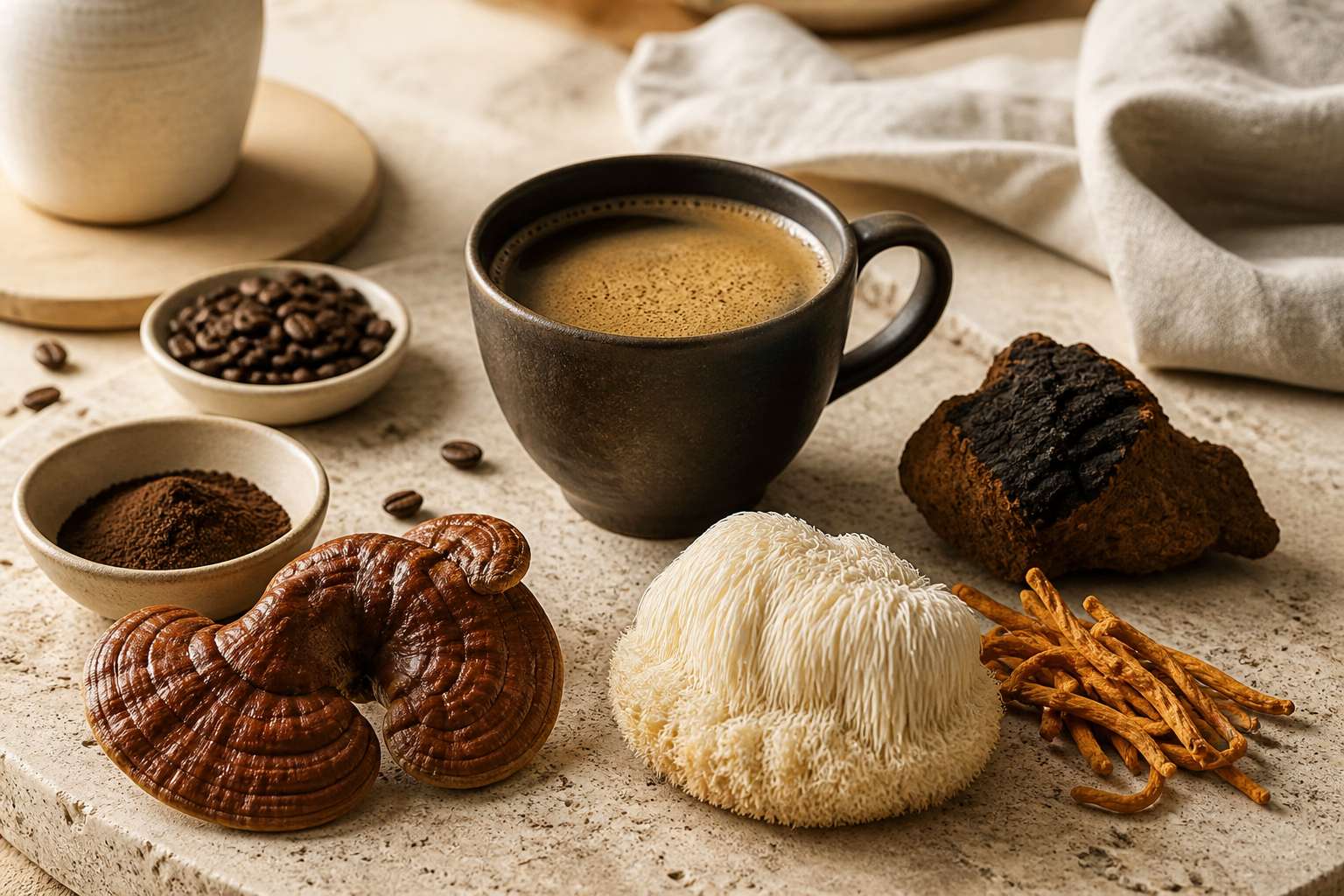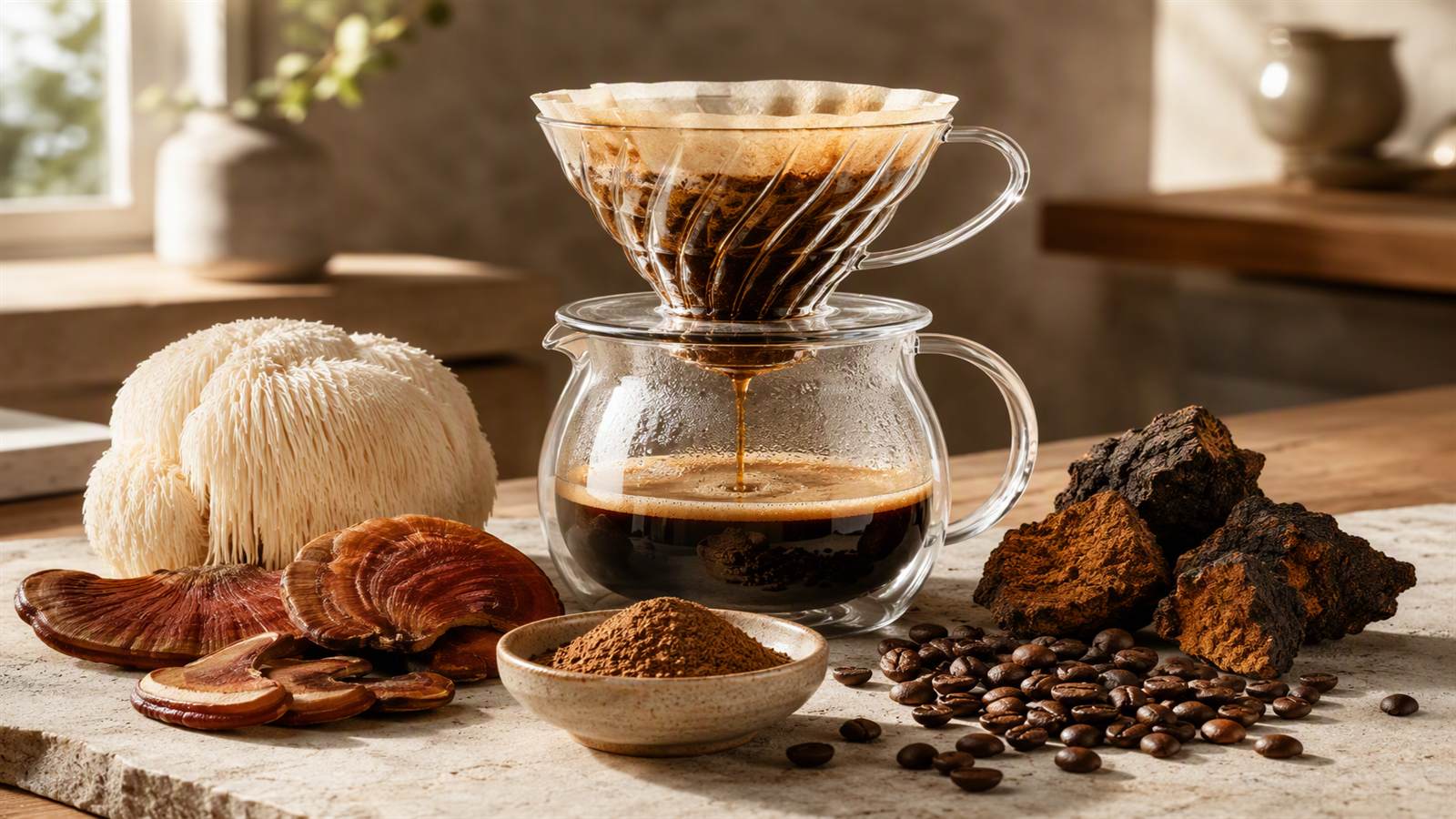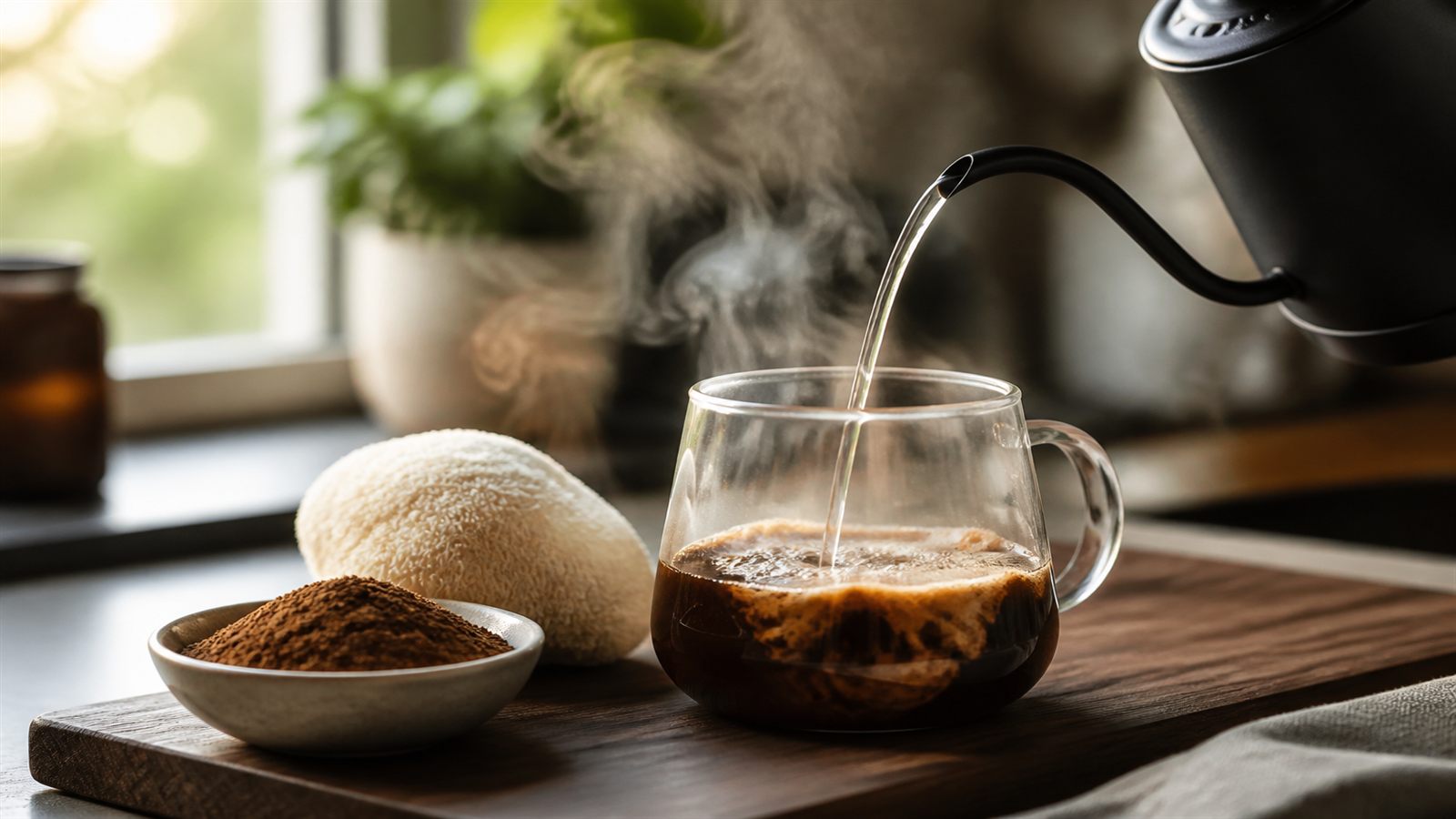


The growing interest in functional beverages has introduced many consumers to new ways of enjoying their daily coffee routine. Among these emerging options, mushroom coffee has gained attention for combining traditional coffee with functional mushroom ingredients such as Lion’s Mane, Chaga, Reishi, and Cordyceps.
However, choosing the right mushroom coffee product can be difficult for first-time buyers. Unlike regular coffee, mushroom coffee blends can differ significantly in their ingredients, preparation methods, flavor profiles, and formulation styles. Some products focus on a single mushroom, while others combine multiple mushroom extracts or powders with additional functional ingredients.
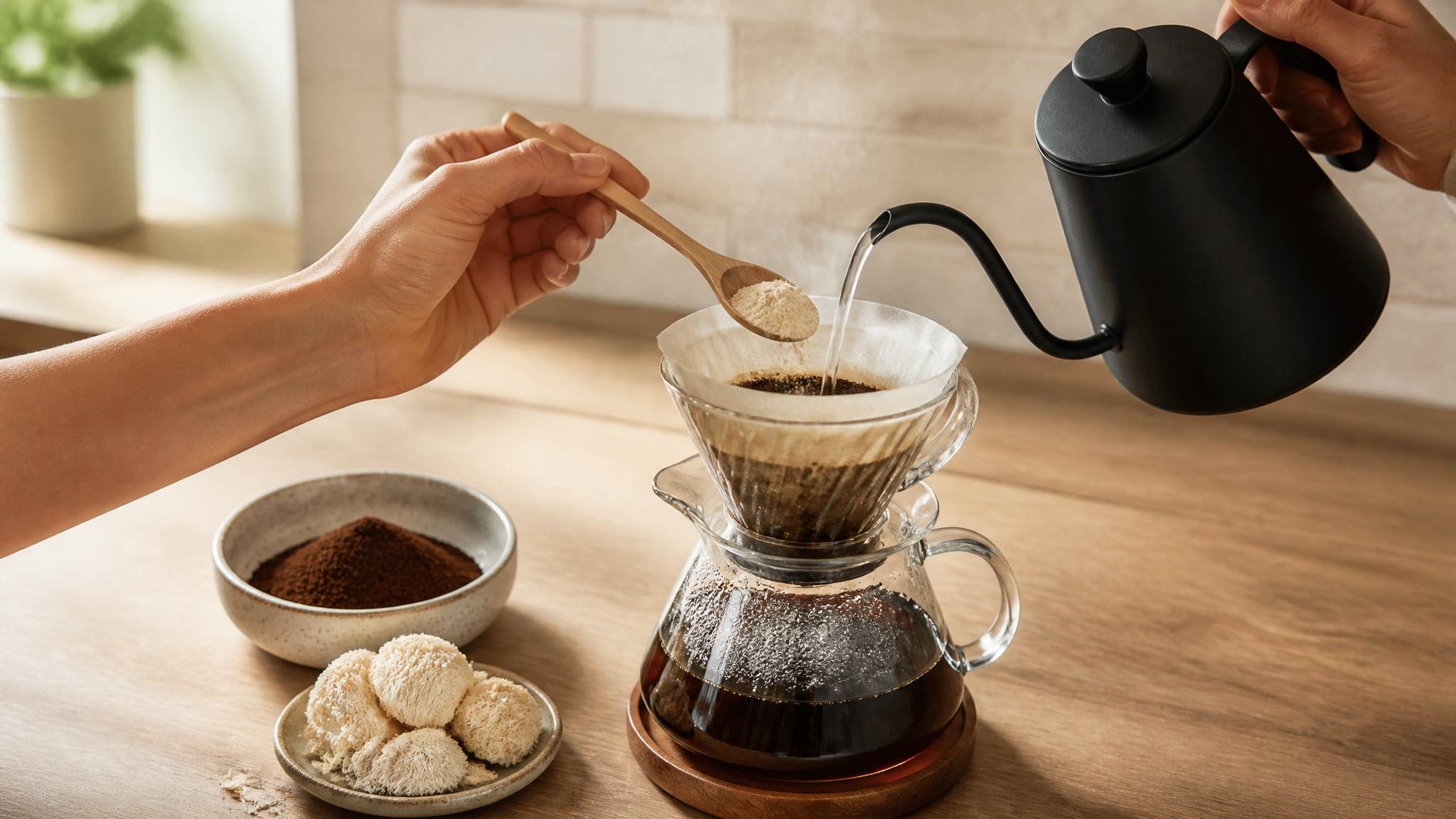
This is why mushroom coffee samples have become a useful option for consumers who want to explore different products before purchasing a full-size package. Trying a sample allows people to evaluate taste, texture, ingredient quality, and overall experience without making a larger commitment.
Understanding what to look for in mushroom coffee samples can help consumers make more informed decisions and find a product that better matches their personal preferences.
What Are Mushroom Coffee Samples?
Understanding Mushroom Coffee Sample Packs
A mushroom coffee sample is a smaller portion of a mushroom coffee product designed for trial purposes. These samples are typically created to help consumers experience a product before purchasing a larger package.
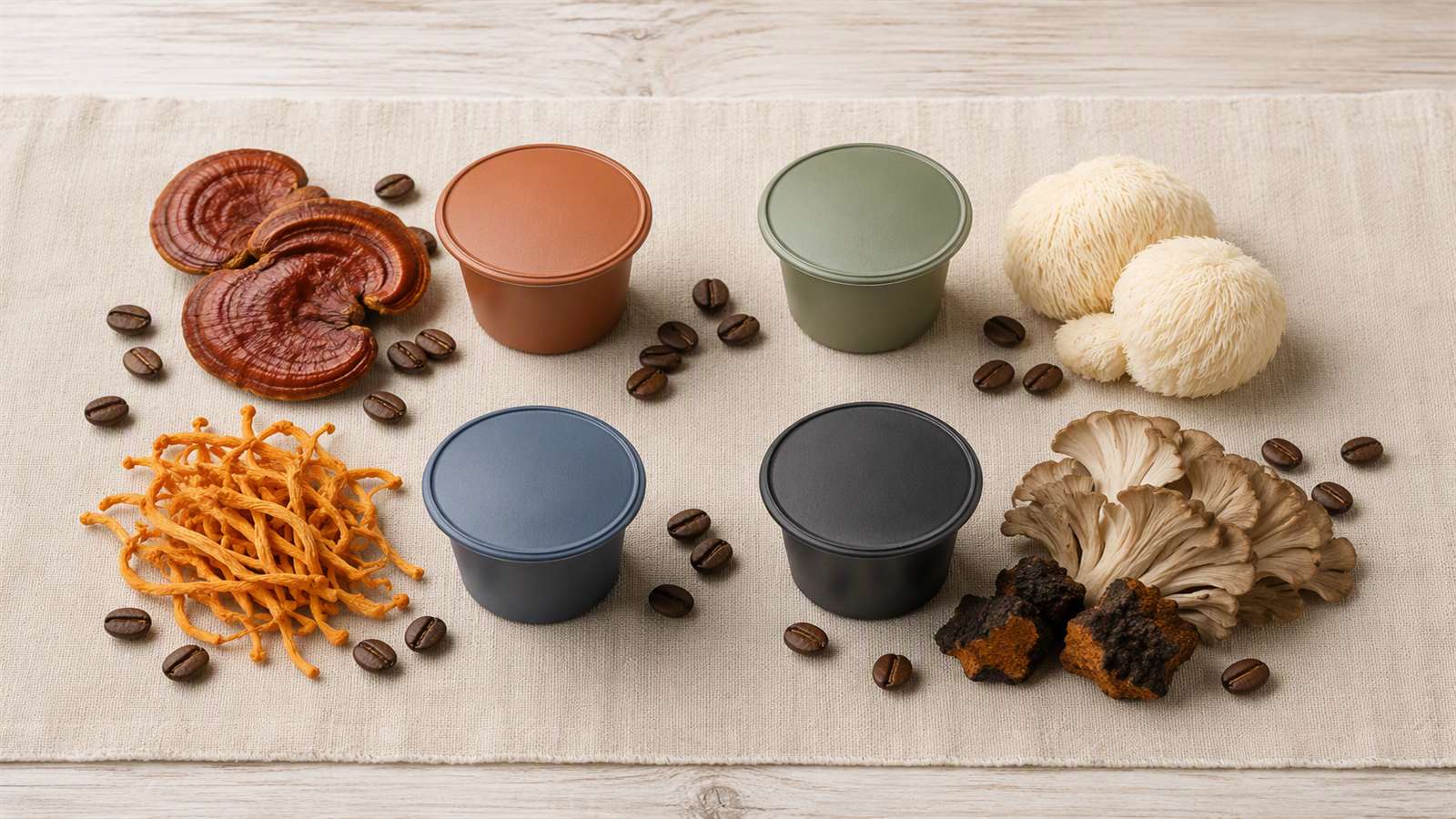
A mushroom coffee sample pack may include:
- Single-serving sachets
- Small trial containers
- Multiple blend options
- Short-term supply portions

Because mushroom coffee combines coffee with functional mushroom ingredients, the final taste and experience can vary widely between products.
For example, one mushroom coffee blend may contain only Lion’s Mane extract, while another may include a combination of Lion’s Mane, Reishi, Chaga, and Cordyceps. Some formulations may emphasize a stronger coffee flavor, while others focus on a smoother functional beverage experience.
For consumers who are unfamiliar with mushroom coffee, samples provide a convenient way to understand these differences before selecting a preferred product.
Why Are Mushroom Coffee Samples Useful?
Testing Flavor Preferences
Taste is one of the most important factors when choosing mushroom coffee.
Although mushrooms are the key differentiating ingredient, most consumers still expect a pleasant coffee experience. Different mushroom varieties can influence the overall flavor profile.
Common flavor characteristics include:
- Earthy notes
- Woody aromas
- Nutty undertones
- Coffee bitterness
- Roasted flavors
For example, Lion’s Mane is generally considered mild and easy to blend with coffee, while Chaga may contribute deeper earthy characteristics. Reishi often has a stronger traditional mushroom flavor, which is why it is frequently combined with coffee and other ingredients.

Trying a mushroom coffee sample allows consumers to determine whether they prefer a classic coffee taste or a blend with more noticeable mushroom characteristics.
Comparing Different Formulations
Not all mushroom coffee products are formulated in the same way.
A sample comparison can help consumers evaluate differences in:
- Mushroom species
- Mushroom dosage
- Extract versus powder ingredients
- Coffee type
- Additional ingredients
Some products use a single mushroom ingredient, while others are designed as multi-mushroom blends.
For consumers interested in functional mushroom coffee, understanding the formulation can be just as important as the flavor.
Reducing Purchase Risk
Full-size functional beverages may represent a larger investment, especially for consumers who are trying mushroom coffee for the first time.
A sample provides an opportunity to evaluate:
- Taste acceptance
- Mixing performance
- Daily convenience
- Overall preference
This approach is especially helpful because flavor preference is highly individual. A blend that one person enjoys may not be the right choice for another.
What to Look for When Choosing Mushroom Coffee Samples
Check the Mushroom Ingredients
One of the first things to review is the mushroom ingredient list.
A transparent product should clearly identify the mushroom species included in the formulation.
Common mushrooms found in coffee blends include:
- Lion’s Mane
- Reishi
- Chaga
- Cordyceps
Understanding the role of each mushroom can help consumers compare different products.
Lion’s Mane Mushroom Coffee
Lion’s Mane (Hericium erinaceus) is one of the most widely recognized functional mushrooms used in modern beverage formulations.
Researchers have studied Lion’s Mane because it contains naturally occurring compounds such as hericenones and erinacines.
A clinical trial published in Phytotherapy Research investigated the effects of Lion’s Mane supplementation in adults with mild cognitive impairment. The study reported improvements in cognitive test scores during the supplementation period, although researchers noted that more studies are needed to understand long-term effects.
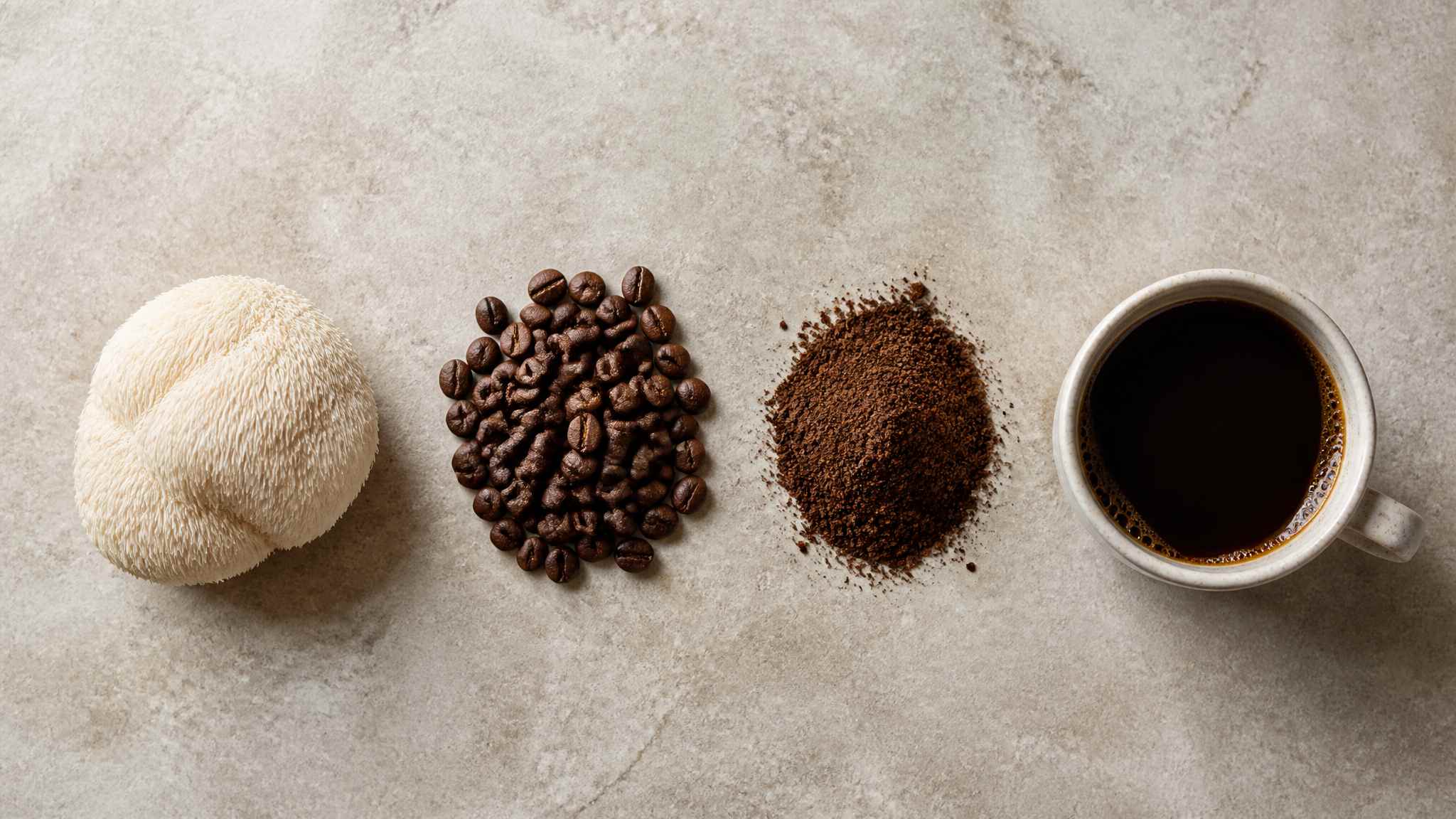
From a consumer perspective, Lion’s Mane coffee is often selected because of its mild flavor profile and popularity in functional nutrition products.
Chaga Coffee
Chaga (Inonotus obliquus) is another common ingredient found in mushroom coffee blends.
Research has examined Chaga for its naturally occurring compounds, including:
- Polyphenols
- Polysaccharides
- Antioxidant-related components
Chaga is often appreciated for its earthy and slightly woody flavor characteristics, which can complement roasted coffee notes.
Reishi Coffee
Reishi (Ganoderma lucidum) has been traditionally used in various cultures for centuries.
It contains naturally occurring compounds such as triterpenes and polysaccharides, which have been studied in nutritional research.
Because Reishi typically has a stronger flavor compared with some other mushrooms, it is often combined with coffee, cocoa, or other ingredients to create a balanced taste.
Cordyceps Coffee
Cordyceps (Cordyceps militaris) is commonly included in functional mushroom blends.
It is often used in products designed around active lifestyles and daily routines.
When evaluating mushroom coffee samples, consumers can check whether Cordyceps is included as a single ingredient or as part of a broader mushroom combination.
Review the Coffee Base
Although mushroom ingredients are important, the coffee base also strongly influences the final product experience.
Coffee Type
Common coffee bases include:
Arabica Coffee
Arabica beans are known for smoother flavors, aromatic qualities, and balanced taste.
Robusta Coffee
Robusta generally provides a stronger coffee profile and higher caffeine content.
Instant Coffee
Many mushroom coffee products use instant coffee powder because it provides convenience and easy preparation.
The coffee base affects:
- Flavor intensity
- Aroma
- Bitterness
- Caffeine level
A well-designed mushroom coffee blend aims to balance the characteristics of coffee with the natural qualities of mushroom ingredients.
Understand Mushroom Powder and Mushroom Extract
Consumers comparing mushroom coffee samples may notice that products use either mushroom powder or mushroom extract.

Mushroom Powder
Mushroom powder is produced by drying and grinding mushrooms.
Characteristics include:
- Whole mushroom ingredient
- Simple processing method
- Natural flavor profile
Mushroom Extract
Mushroom extract is created through extraction processes designed to concentrate certain naturally occurring mushroom compounds.
When reviewing mushroom extract products, consumers may consider:
- Mushroom species
- Extraction method
- Ingredient transparency
- Serving information
Clear labeling helps consumers better understand the differences between mushroom coffee formulations.
How to Evaluate Mushroom Coffee Samples
Consider Flavor and Aroma
The first evaluation step is usually taste.
Consumers can consider:
- Coffee strength
- Mushroom flavor intensity
- Aroma
- Aftertaste
- Overall balance
A quality mushroom coffee blend should provide a pleasant drinking experience while maintaining the characteristics consumers expect from coffee.
Check Texture and Solubility
Texture can influence whether a product works well as a daily beverage.
Important factors include:
- How easily the powder dissolves
- Smoothness of the drink
- Amount of sediment
This is especially relevant for instant mushroom coffee products.
Compare Ingredient Lists
Ingredient transparency is an important part of product evaluation.
Consumers may look for:
- Clearly identified mushroom species
- Simple ingredient combinations
- Clean label ingredients
- Preparation instructions
A clear ingredient list allows buyers to better understand what they are purchasing.
Single Mushroom Coffee vs Multi-Mushroom Blends
Single Mushroom Coffee Samples
Single mushroom products focus on one main mushroom ingredient.
Examples include:
- Lion’s Mane coffee
- Chaga coffee
Advantages:
- Easier to understand
- Simpler flavor profile
- Useful for comparison testing
Multi-Mushroom Coffee Blends
Multi-mushroom coffee combines several mushroom varieties in one formulation.
Common combinations include:
- Lion’s Mane
- Reishi
- Chaga
- Cordyceps
These blends may appeal to consumers who prefer a broader ingredient profile.
The best choice depends on individual taste preferences and expectations.
Mushroom Coffee Samples vs Full-Size Products
| Feature | Mushroom Coffee Samples | Full-Size Products |
|---|---|---|
| Initial cost | Lower | Higher |
| Testing opportunity | Easy | Limited |
| Purchase commitment | Lower | Higher |
| Suitable for beginners | Yes | Better for regular users |
For many first-time buyers, samples provide a practical way to explore different mushroom coffee options.
Tips for First-Time Mushroom Coffee Buyers
Start With Familiar Coffee Flavors
Consumers who enjoy traditional coffee may prefer blends with a stronger coffee-forward taste.
Try Different Mushroom Combinations
Comparing different samples can help identify preferred ingredients and flavor profiles.
Read Product Information Carefully
Before choosing a mushroom coffee product, review:
- Ingredient list
- Mushroom source
- Serving size
- Preparation method
Understanding these details makes product comparison easier.
Frequently Asked Questions
Where can I get mushroom coffee samples?
Mushroom coffee samples are commonly available through trial packs, sampler collections, and online product pages that offer smaller quantities.
Are mushroom coffee samples worth trying?
For consumers who are new to mushroom coffee, samples can be useful because they allow comparison of different flavors and formulations before purchasing larger packages.
Does mushroom coffee taste like mushrooms?
Most mushroom coffee products maintain a coffee-forward taste. Depending on the mushroom ingredients, some blends may include mild earthy, woody, or nutty notes.
How many servings are included in mushroom coffee samples?
The number of servings depends on the product. Some samples contain one serving, while others provide several portions for repeated testing.
Scientific References
- Mori K, Inatomi S, Ouchi K, Azumi Y, Tuchida T.
Improving effects of the mushroom Yamabushitake (Hericium erinaceus) on mild cognitive impairment: A double-blind placebo-controlled clinical trial.
Phytotherapy Research. 2009. - Friedman M.
Chemistry, Nutrition, and Health-Promoting Properties of Hericium erinaceus Mushroom Fruiting Bodies and Mycelia and Their Bioactive Compounds.
Journal of Agricultural and Food Chemistry. 2015. - Wasser SP.
Medicinal mushroom science: Current perspectives and future directions.
Conclusion
Choosing a mushroom coffee product involves more than simply selecting a mushroom ingredient. Flavor preference, coffee quality, formulation style, and ingredient transparency all influence the overall experience.
For consumers exploring functional mushroom beverages for the first time, mushroom coffee samples offer a practical way to compare different products before making a larger purchase.
By understanding mushroom varieties, coffee bases, and formulation differences, consumers can make more informed choices and find a mushroom coffee blend that better fits their personal preferences and daily routine.