

 Understanding the Connection Between Mushroom Coffee and Weight Loss
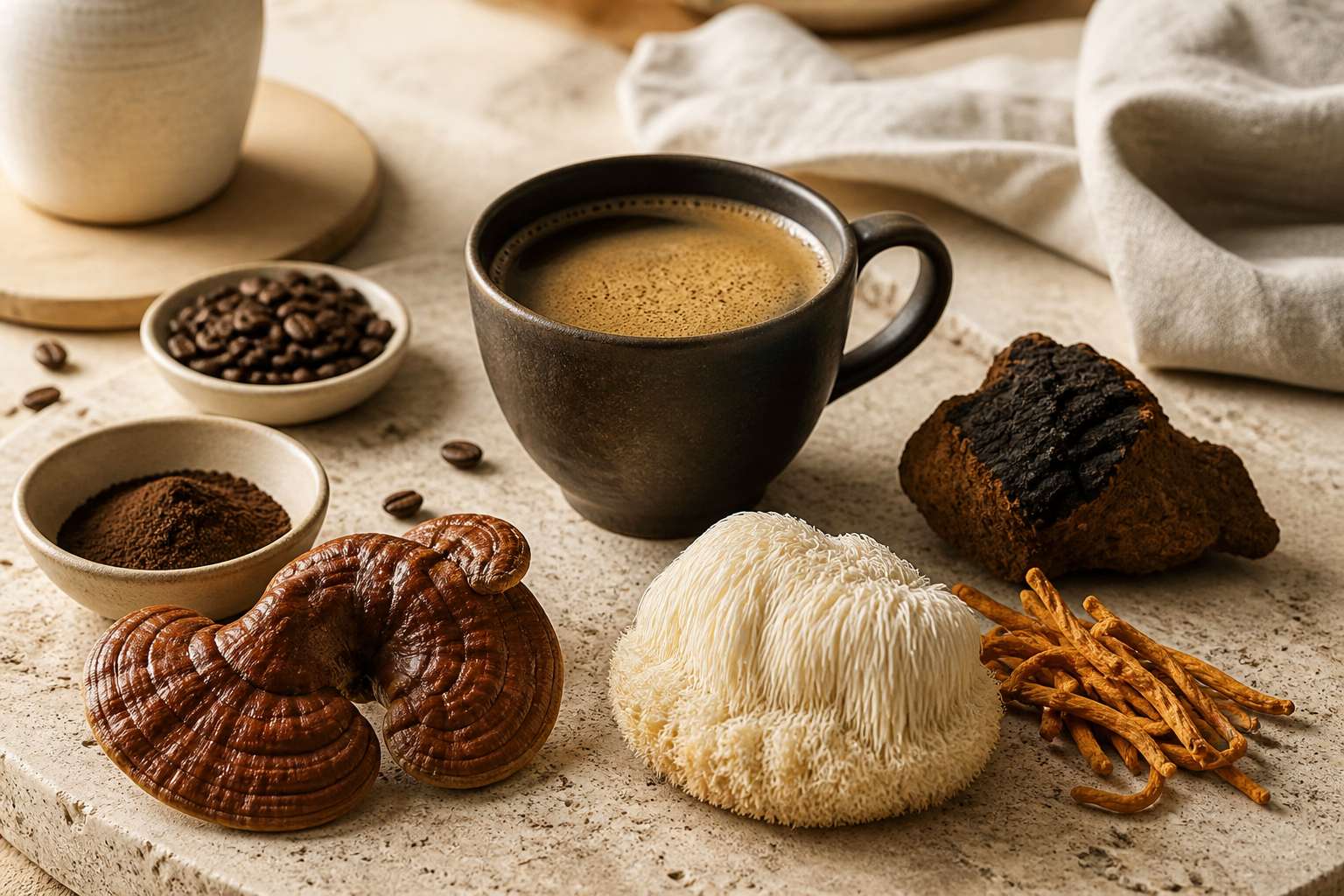
Mushroom coffee has become increasingly popular among consumers who are interested in functional beverages and healthier alternatives to traditional coffee drinks. By combining coffee with functional mushroom ingredients such as Lion’s Mane, Chaga, Reishi, or Cordyceps, these products offer a different approach to the everyday coffee routine.
One common question among consumers is: Will mushroom coffee help with weight loss?
The short answer is that mushroom coffee is not a weight-loss product and there is currently no strong scientific evidence showing that drinking mushroom coffee alone directly causes weight reduction. However, some ingredients found in mushroom coffee may support healthy lifestyle habits that are often associated with weight management.
Factors such as calorie intake, diet quality, physical activity, sleep, and overall lifestyle remain the most important influences on body weight. Mushroom coffee may be considered one part of a balanced approach rather than a standalone solution.
This guide explores the relationship between mushroom coffee and weight management, including its ingredients, potential benefits, research findings, and realistic expectations.
 What Is Mushroom Coffee?
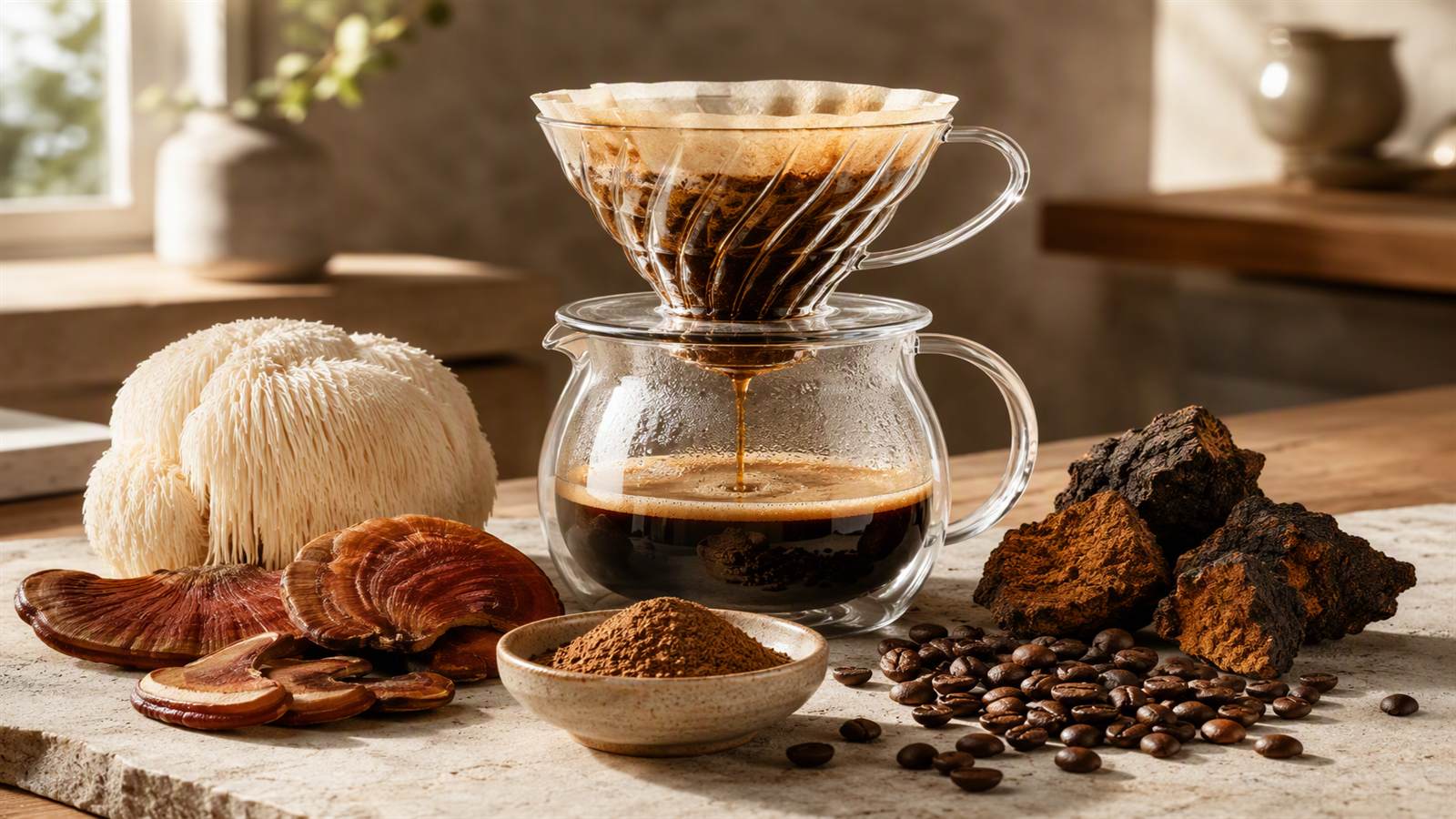
How Mushroom Coffee Is Made
Mushroom coffee is a beverage made by combining coffee with mushroom-based ingredients, usually in the form of mushroom powder or mushroom extract.
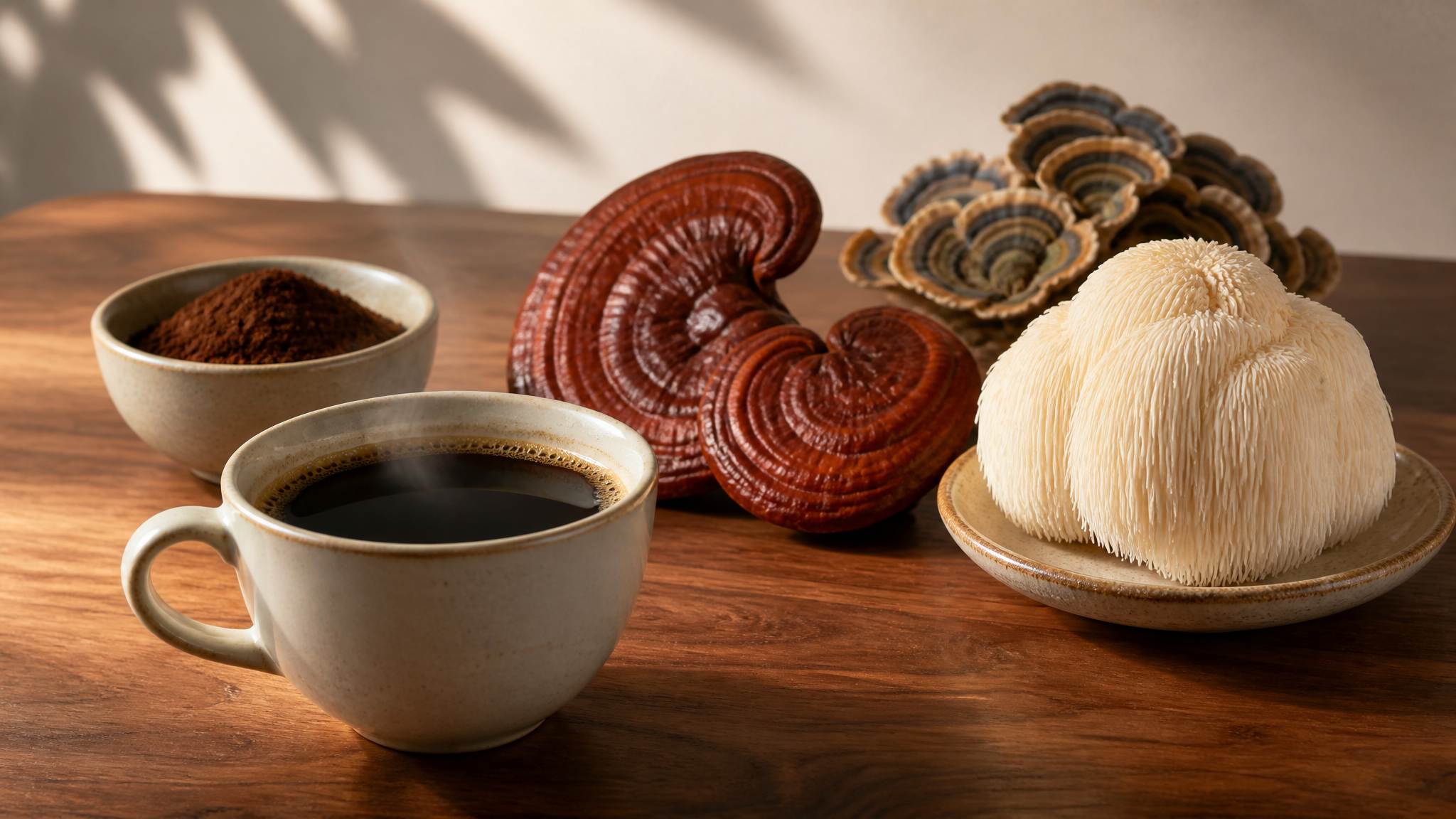
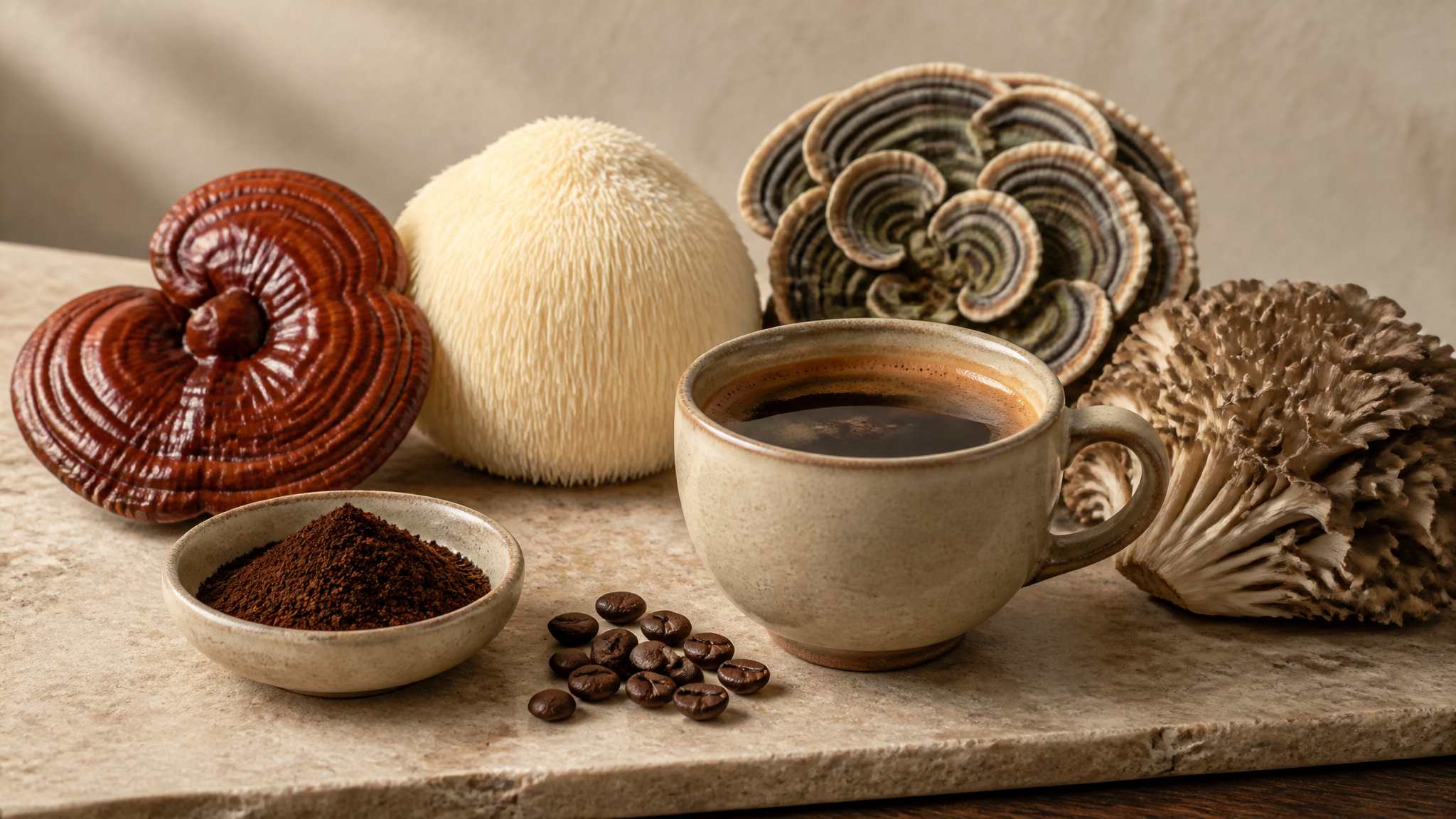
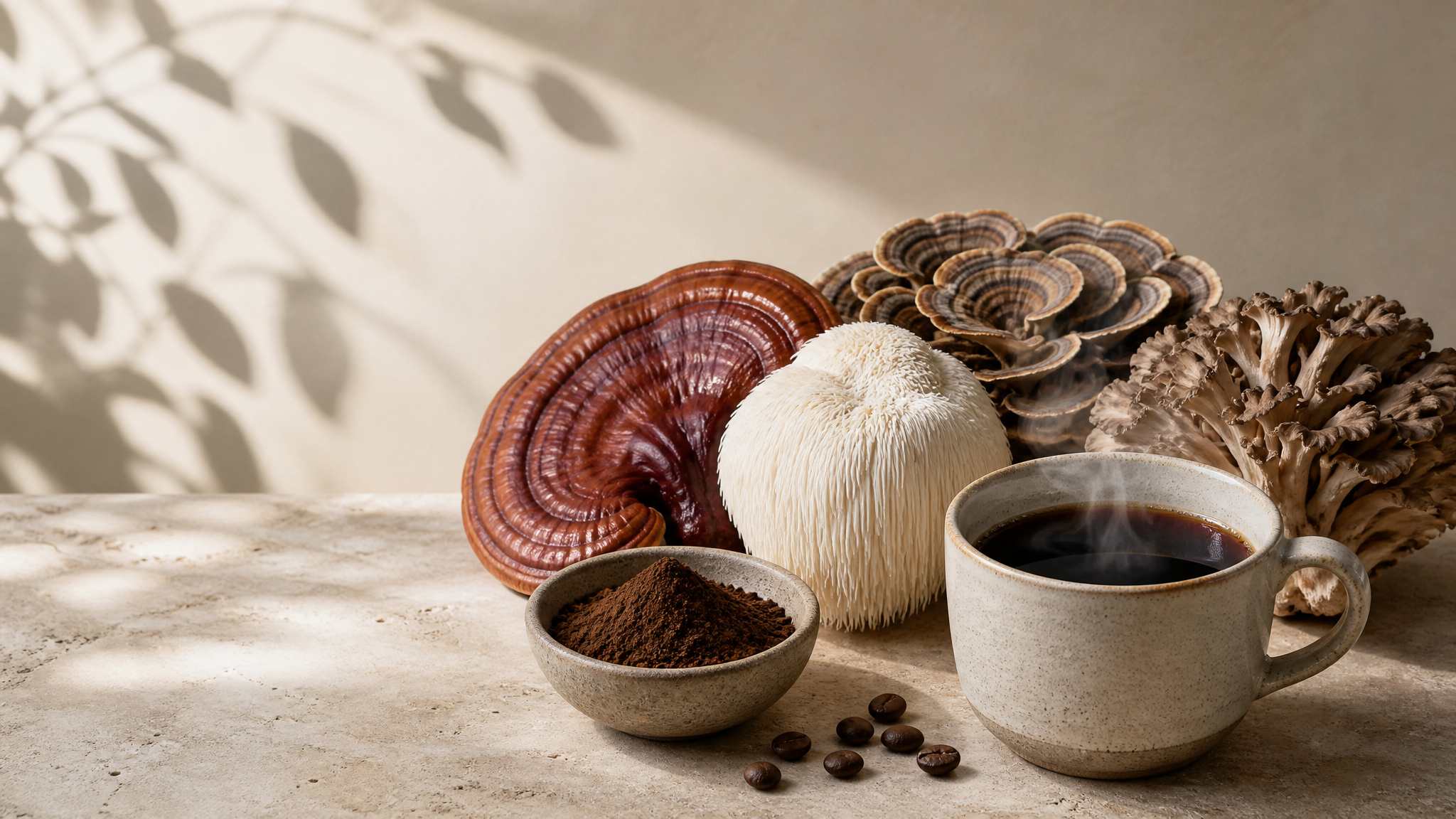
Common functional mushrooms used in these blends include:
- Lion’s Mane (Hericium erinaceus)
- Reishi (Ganoderma lucidum)
- Chaga (Inonotus obliquus)
- Cordyceps (Cordyceps militaris)
The manufacturing process usually involves blending coffee ingredients with processed mushroom materials to create a convenient drink format.
Mushroom coffee is commonly available as:
- Instant coffee powder
- Single-serving packets
- Ground coffee blends
- Latte-style mixes
How Mushroom Coffee Differs From Regular Coffee
Traditional coffee mainly provides:
- Caffeine
- Coffee polyphenols
- Natural flavor compounds
Mushroom coffee contains additional mushroom-derived ingredients that are studied for their bioactive compounds, including:
- Beta-glucans
- Polysaccharides
- Antioxidant compounds
The nutritional profile depends on the specific formulation. Some products contain only coffee and mushroom extracts, while others include additional ingredients such as sweeteners, creamers, or flavoring agents.

Can Mushroom Coffee Actually Help With Weight Loss?
What Research Says About Coffee and Weight Management
Coffee itself has been studied in relation to metabolism and weight management.
One reason coffee receives attention in this area is caffeine. Research suggests that caffeine may temporarily influence energy expenditure and fat oxidation by stimulating the nervous system.
A review published in the American Journal of Clinical Nutrition examined caffeine intake and energy metabolism, suggesting that caffeine may have a modest effect on metabolic rate.
However, these effects are generally limited and should not be interpreted as a replacement for healthy eating or physical activity.
In practical terms, drinking coffee may slightly influence energy use, but long-term weight management depends on maintaining an appropriate balance between calorie intake and energy expenditure.
The Role of Mushrooms in Weight Management
Functional mushrooms contain naturally occurring compounds that have attracted scientific interest.
For example:
- Beta-glucans are types of polysaccharides found in many mushrooms.
- Research has investigated their relationship with immune function and metabolic processes.
- Certain mushroom compounds are being studied for their potential effects on gut health and overall wellness.
However, research specifically examining mushroom coffee for weight loss is still limited.
Most studies focus on individual mushroom species or isolated compounds rather than mushroom coffee products themselves.
Therefore, consumers should view mushroom coffee as a functional beverage choice rather than a proven weight-loss method.
Why Mushroom Coffee Is Not a Fat-Burning Solution
A common misconception is that mushroom coffee can directly burn fat or cause significant weight loss.
Weight management is influenced by multiple factors, including:
- Total calorie consumption
- Food choices
- Exercise habits
- Sleep quality
- Stress levels
- Individual metabolism
Replacing a high-calorie beverage with a simpler mushroom coffee product may reduce overall calorie intake, but the effect comes from the dietary change rather than the mushroom ingredients themselves.

Ingredients in Mushroom Coffee That May Support Wellness
Caffeine From Coffee
Caffeine is one of the most researched compounds in coffee.
Potential effects associated with caffeine include:
- Increased alertness
- Improved exercise performance
- Temporary increases in energy expenditure
For individuals who already consume coffee, mushroom coffee may provide similar caffeine-related effects depending on the formula.
However, caffeine sensitivity varies between individuals, and excessive consumption may cause unwanted effects such as sleep disruption or digestive discomfort.
Beta-Glucans From Functional Mushrooms
Many functional mushrooms contain beta-glucans, which are naturally occurring polysaccharides.
Research has explored beta-glucans from mushrooms in areas including:
- Immune-related responses
- Gut health
- Metabolic research
Common sources include:
- Reishi
- Chaga
- Lion’s Mane
- Turkey Tail
Although these compounds are scientifically interesting, more research is needed to understand their direct relationship with human weight management.
Antioxidant Compounds
Both coffee and mushrooms contain various antioxidant compounds.
Coffee contains polyphenols, while mushrooms contain compounds such as:
- Phenolic compounds
- Polysaccharides
- Triterpenes
These compounds are part of ongoing nutritional research related to overall wellness.
Mushroom Coffee vs Regular Coffee for Weight Loss
When comparing mushroom coffee with regular coffee, the main difference is the additional functional mushroom ingredients.
| Factor | Mushroom Coffee | Regular Coffee |
|---|---|---|
| Calories | Depends on formulation | Usually low without additives |
| Caffeine | Varies by product | Usually consistent |
| Functional ingredients | Mushroom extracts or powders | Mainly coffee compounds |
| Weight loss evidence | Limited direct research | More research on caffeine |
Neither option should be considered a direct weight-loss solution.
The most important factor is how the beverage fits into an individual’s overall eating pattern.

How Mushroom Coffee May Fit Into a Weight Management Routine
Replacing High-Calorie Coffee Drinks
One practical way mushroom coffee may support weight goals is by replacing beverages with higher calorie content.
For example:
- Sweetened coffee drinks
- Flavored cream-based beverages
- Sugar-heavy specialty drinks
A simpler mushroom coffee formula without added sugars may provide a lower-calorie alternative.
Supporting a Consistent Healthy Routine
Successful weight management usually depends on consistent habits.
Mushroom coffee can be included alongside:
- Balanced meals
- Regular physical activity
- Adequate hydration
- Quality sleep
The beverage itself is only one small part of a broader lifestyle approach.
Choosing Simple Formulations
Consumers interested in weight management should pay attention to product labels.
Important factors include:
- Added sugars
- Artificial sweeteners
- Creamer ingredients
- Serving size
- Total calories
A mushroom coffee product with a simple ingredient list may better fit certain dietary goals.

Different Mushroom Types Used in Mushroom Coffee
Lion’s Mane Mushroom Coffee
Lion’s Mane is one of the most recognized functional mushrooms.
Research has focused on compounds such as erinacines and hericenones, particularly in relation to cognitive and neurological research.
Chaga Mushroom Coffee
Chaga is known for containing antioxidant-related compounds.
Studies have examined Chaga’s bioactive components, although more human research is needed.
Reishi Mushroom Coffee
Reishi has been traditionally used in various cultures.
Modern research has investigated compounds including polysaccharides and triterpenes.
Cordyceps Mushroom Coffee
Cordyceps is often included in products associated with active lifestyles.
Research has explored its relationship with exercise performance and energy metabolism.

Common Myths About Mushroom Coffee and Weight Loss
Myth 1: Mushroom Coffee Burns Fat Directly
There is currently no strong evidence showing that mushroom coffee directly burns fat.
Myth 2: More Mushroom Ingredients Mean Faster Weight Loss
Higher amounts of mushroom ingredients do not automatically lead to greater weight loss.
Product quality, formulation, and overall diet remain more important.
Myth 3: Mushroom Coffee Replaces Diet and Exercise
No beverage can replace fundamental weight management habits.
A healthy diet and regular activity remain the foundation of long-term results.
Frequently Asked Questions
Does mushroom coffee help you lose weight?
Mushroom coffee alone has not been proven to cause weight loss. It may support healthy habits when included as part of a balanced lifestyle.
Is mushroom coffee lower in calories than regular coffee?
It depends on the formulation. Plain mushroom coffee without added sugars or creamers is generally lower in calories than many sweetened coffee beverages.
Can I drink mushroom coffee while trying to lose weight?
Yes. Many people include mushroom coffee in their diet plans, especially when choosing products with simple ingredients and low added sugars.
Which mushroom coffee is best for weight management?
There is no single mushroom coffee proven to be best for weight loss. Consumers should focus on ingredient quality, calories, and personal preferences.
Does mushroom coffee boost metabolism?
Coffee caffeine may have a temporary effect on energy expenditure, but mushroom coffee should not be considered a metabolism-boosting weight-loss solution.
Scientific References
- Hursel R, Viechtbauer W, Dulloo AG, et al.
The effects of green tea and caffeine on weight loss and weight maintenance: A meta-analysis.
International Journal of Obesity. - Westerterp-Plantenga MS, Lejeune MPGM, Kovacs EMR.
Body weight loss and weight maintenance in relation to habitual caffeine intake and green tea supplementation.
Obesity Research. - Wasser SP.
Medicinal mushroom science: Current perspectives and future directions. - Friedman M.
Chemistry, Nutrition, and Health-Promoting Properties of Hericium erinaceus Mushroom Fruiting Bodies and Mycelia and Their Bioactive Compounds.
Journal of Agricultural and Food Chemistry.
Conclusion
Mushroom coffee may be an interesting addition to a healthy lifestyle, especially for consumers who enjoy coffee and want to explore functional ingredients. However, current research does not show that mushroom coffee directly causes weight loss.
Its potential value comes from factors such as replacing higher-calorie beverages, providing coffee-based caffeine, and introducing mushroom-derived compounds into the diet.
For sustainable weight management, the most important factors remain balanced nutrition, regular movement, and consistent lifestyle habits. Mushroom coffee can be part of that routine, but it should be viewed as a supportive beverage rather than a shortcut for losing weight.