

The Rise of Mushroom Coffee K Pods
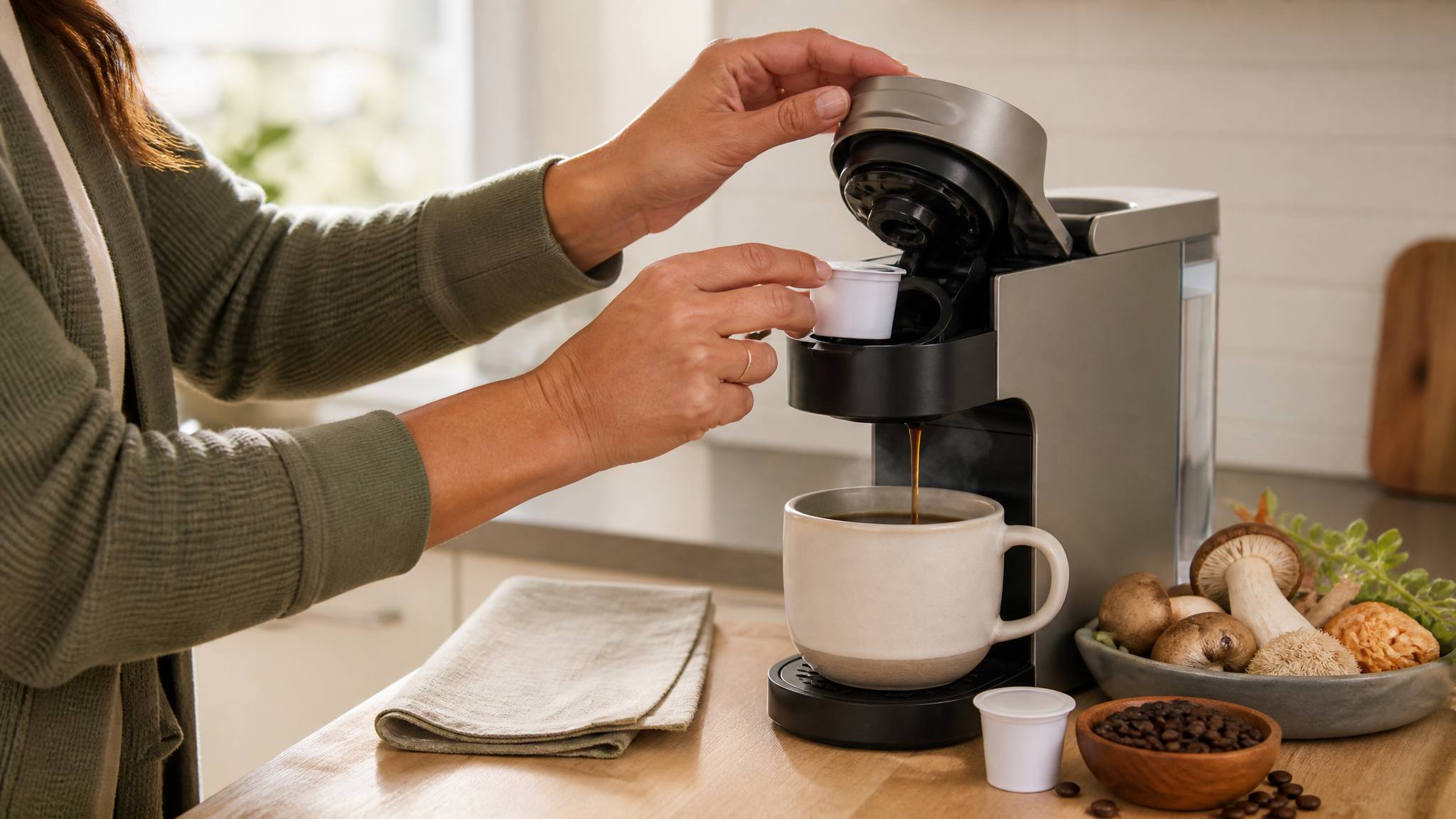
The coffee industry continues to evolve as consumers look for products that offer convenience, unique flavors, and functional ingredients. Among the emerging trends, mushroom coffee K pods have attracted attention by combining the familiar single-serve coffee format with functional mushroom ingredients.
Traditional coffee pods became popular because they simplify the brewing process. They provide consistent portions, quick preparation, and compatibility with many home coffee machines. Mushroom coffee pods build on this concept by introducing ingredients such as Lion’s Mane, Reishi, Chaga, and Cordyceps mushroom extracts into a convenient coffee format.
As interest in functional beverages grows, mushroom coffee pods are becoming a potential product category for both consumers and brands. Understanding how these products are made, what ingredients they contain, and how they fit into the broader coffee market can help consumers make informed choices and help businesses evaluate product opportunities.
What Are Mushroom Coffee K Pods?
Understanding Single-Serve Mushroom Coffee Pods
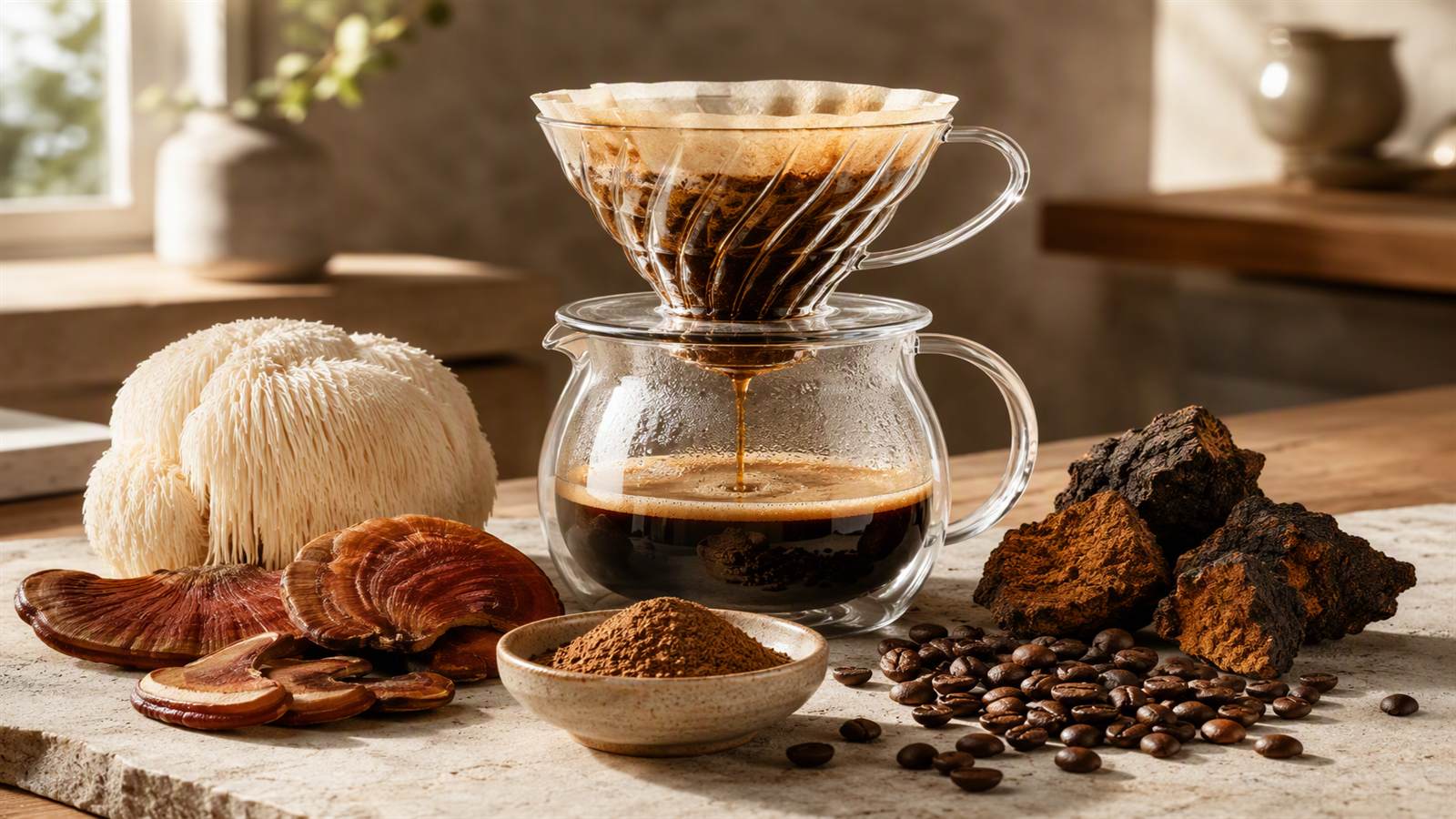
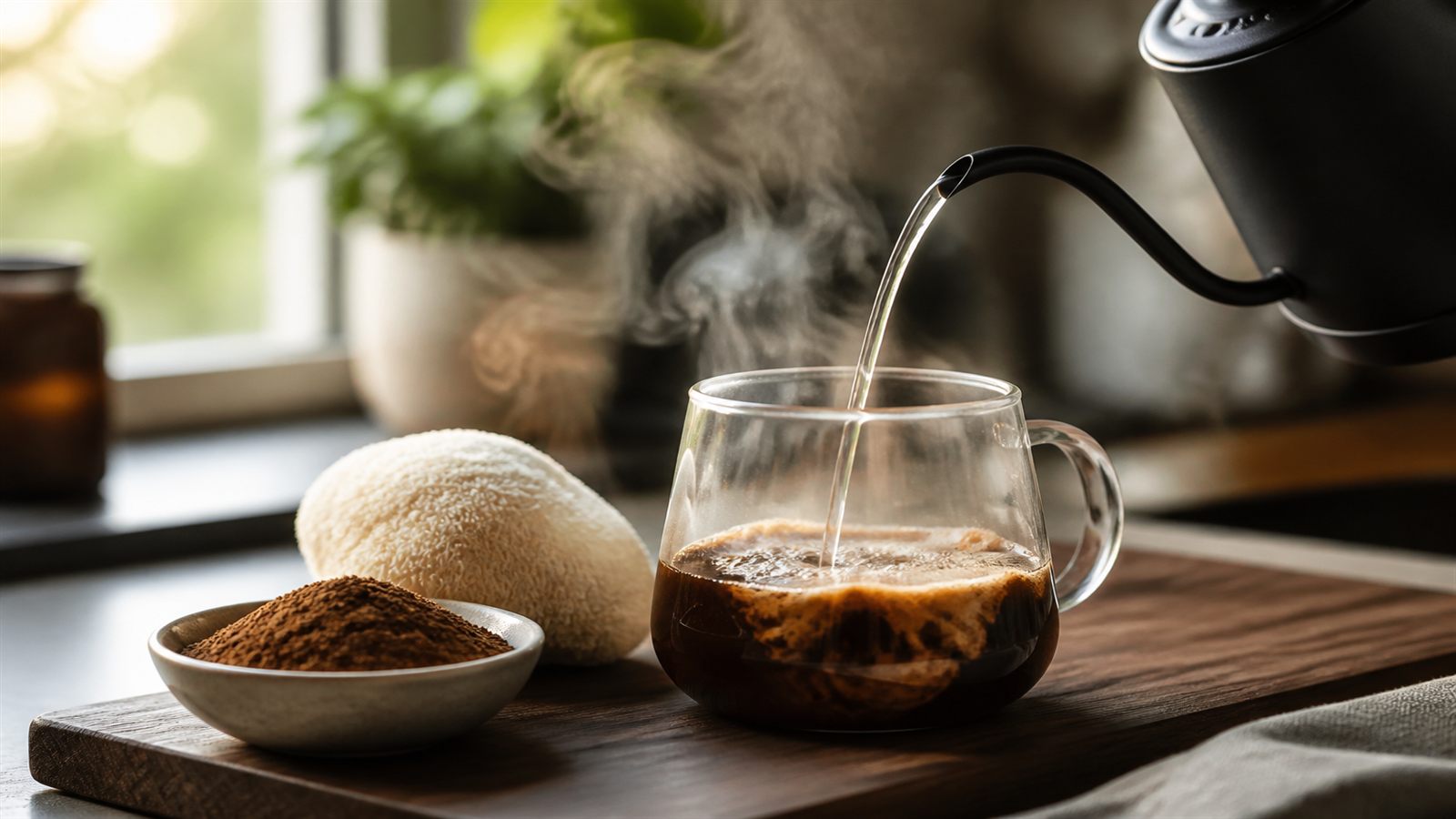
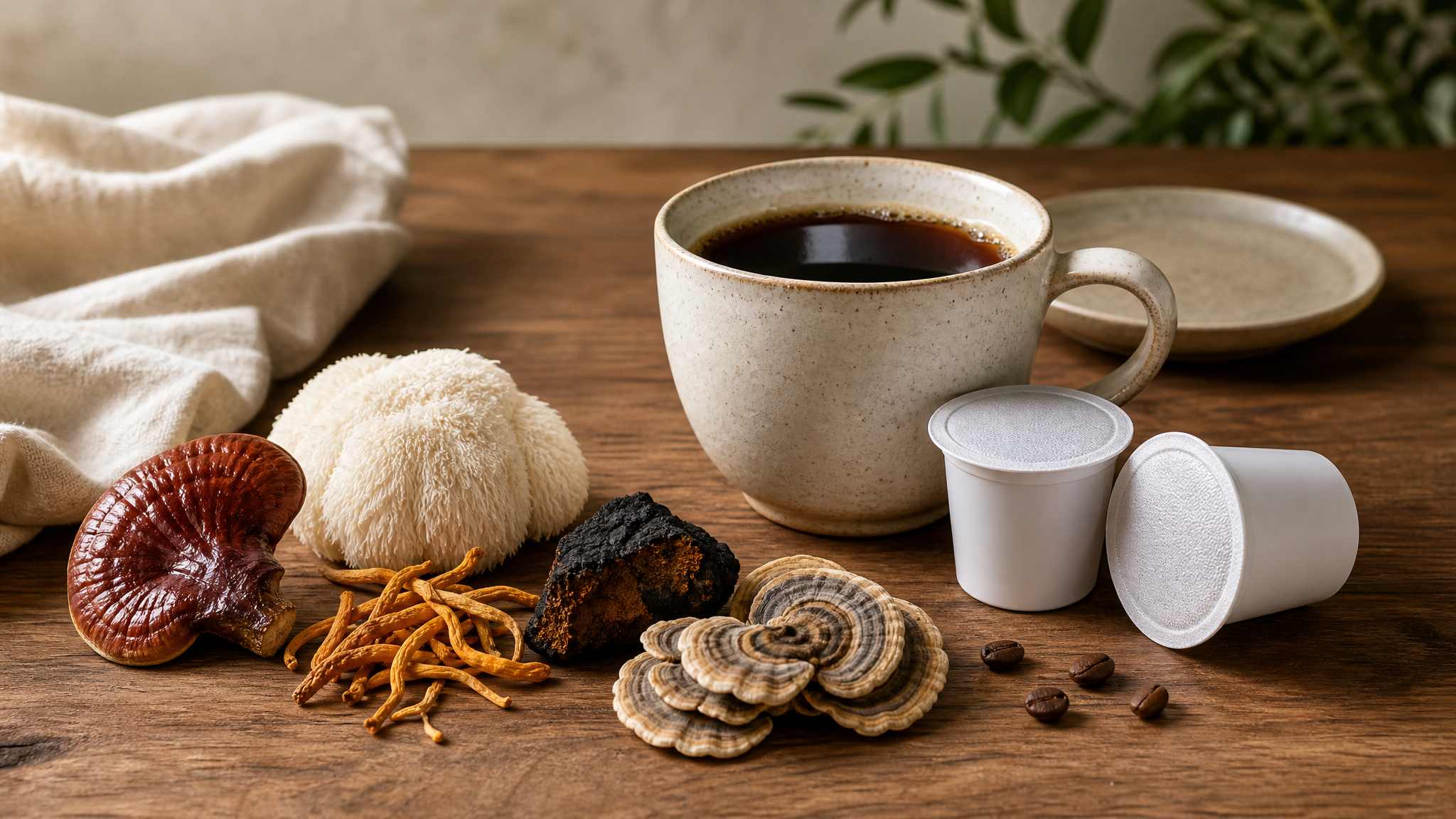
Mushroom coffee K pods are single-serving coffee pods that contain a combination of coffee and mushroom-based ingredients. Instead of preparing coffee manually and adding mushroom powder separately, these products are designed to deliver a pre-measured blend in a convenient format.
A typical mushroom coffee pod may contain:
- Ground coffee
- Mushroom extract or mushroom powder
- Additional functional ingredients
- Flavoring components depending on the formula
The goal is to create a ready-to-brew coffee experience while incorporating functional mushroom ingredients into a familiar daily routine.
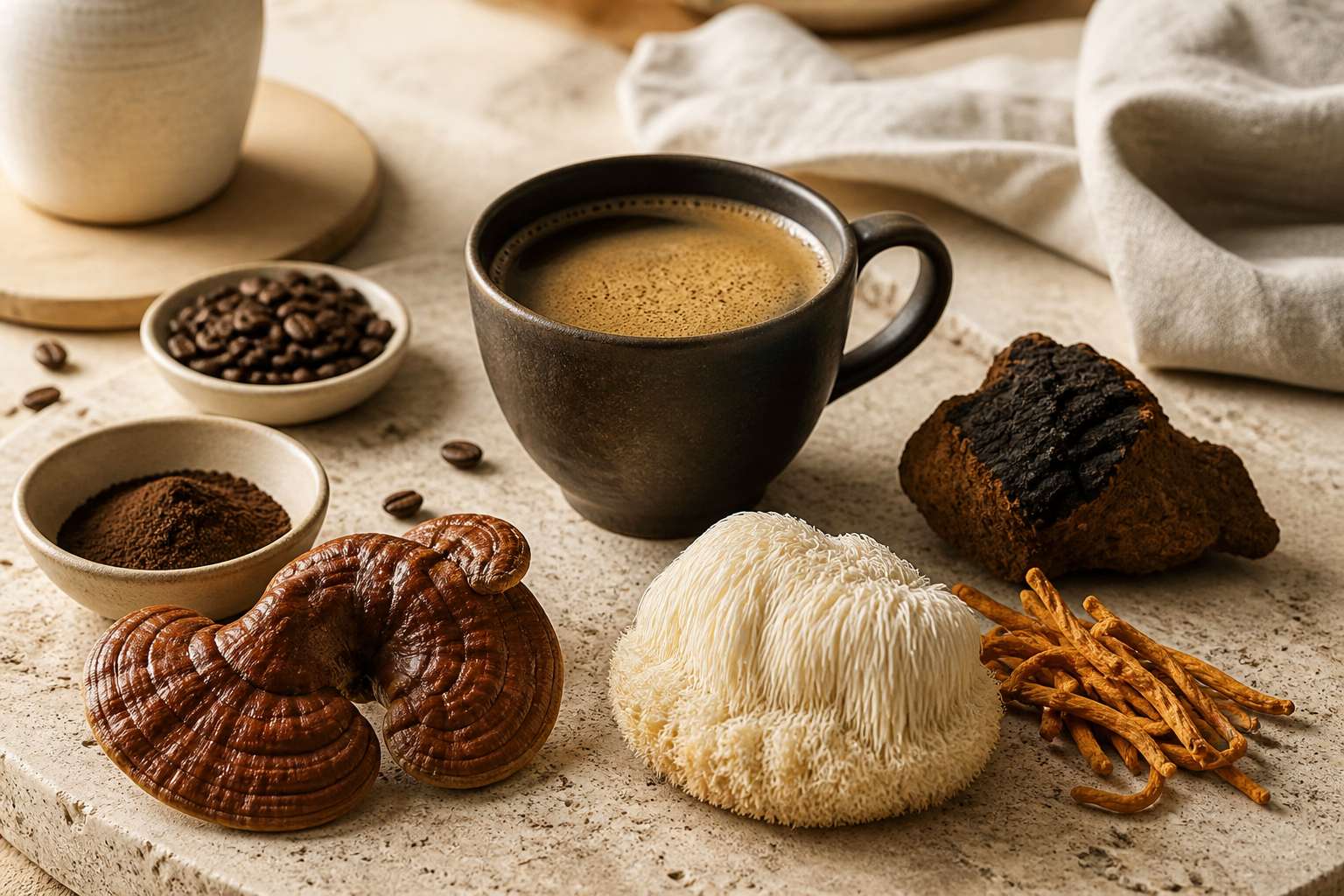
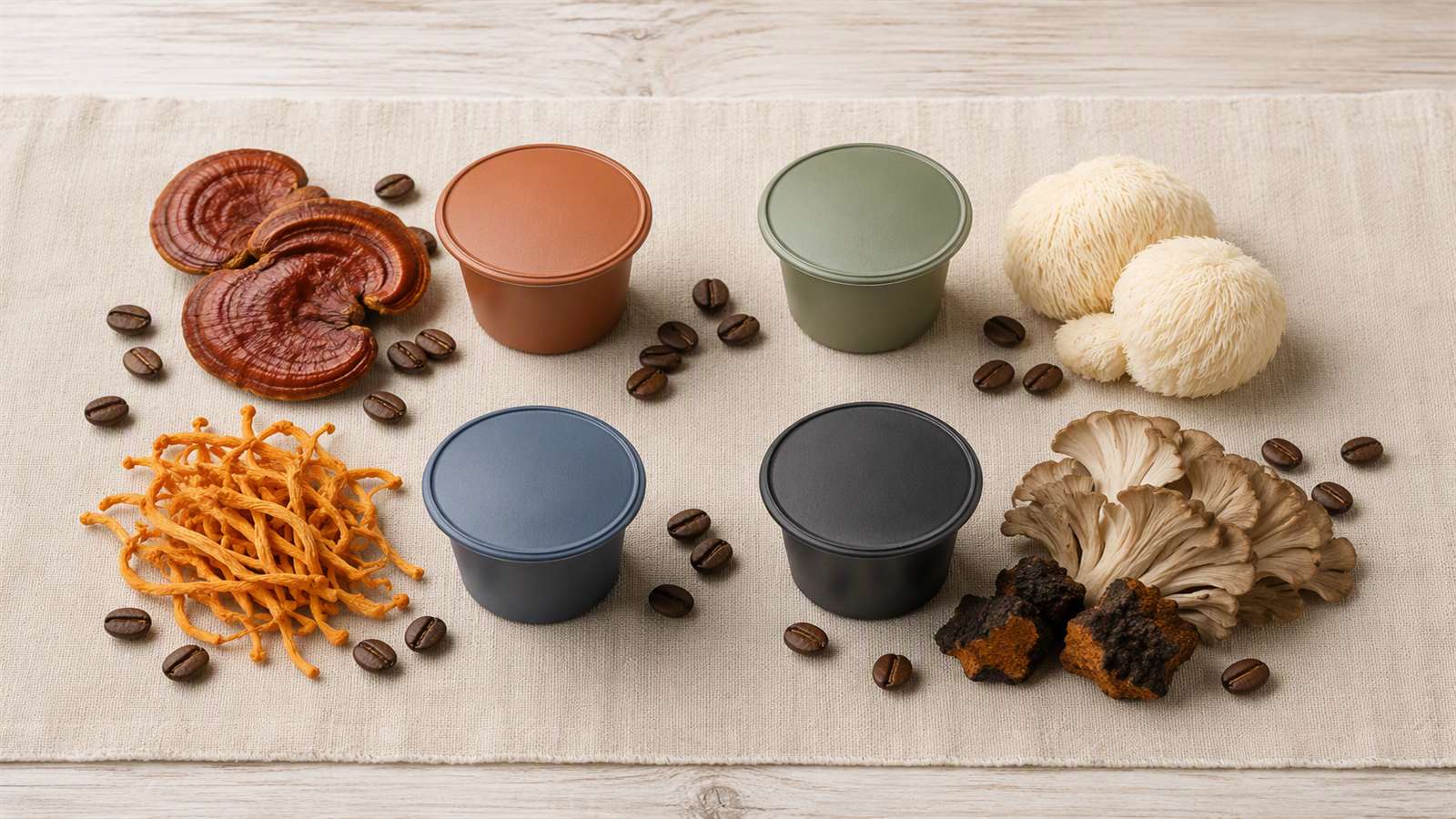
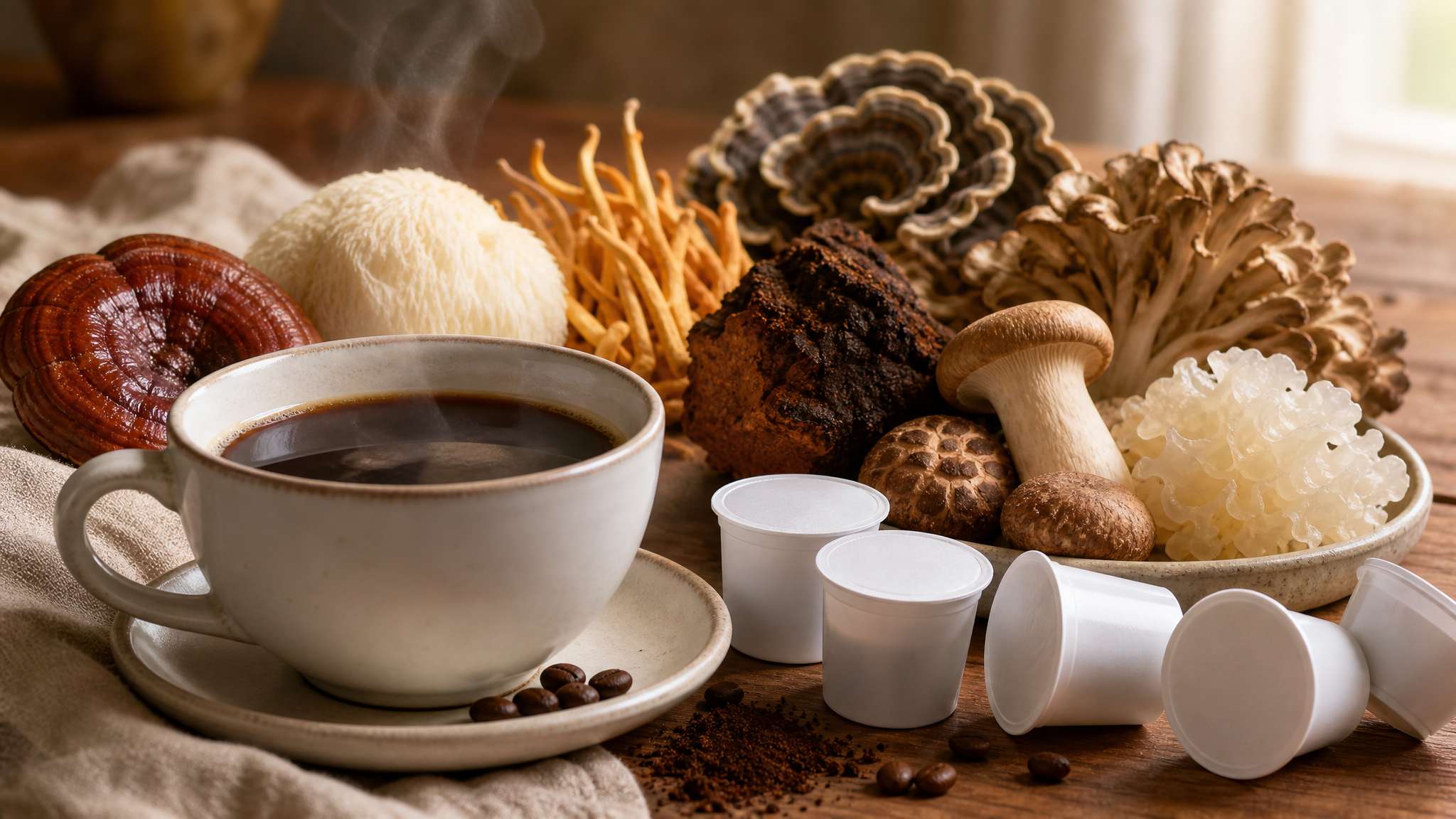
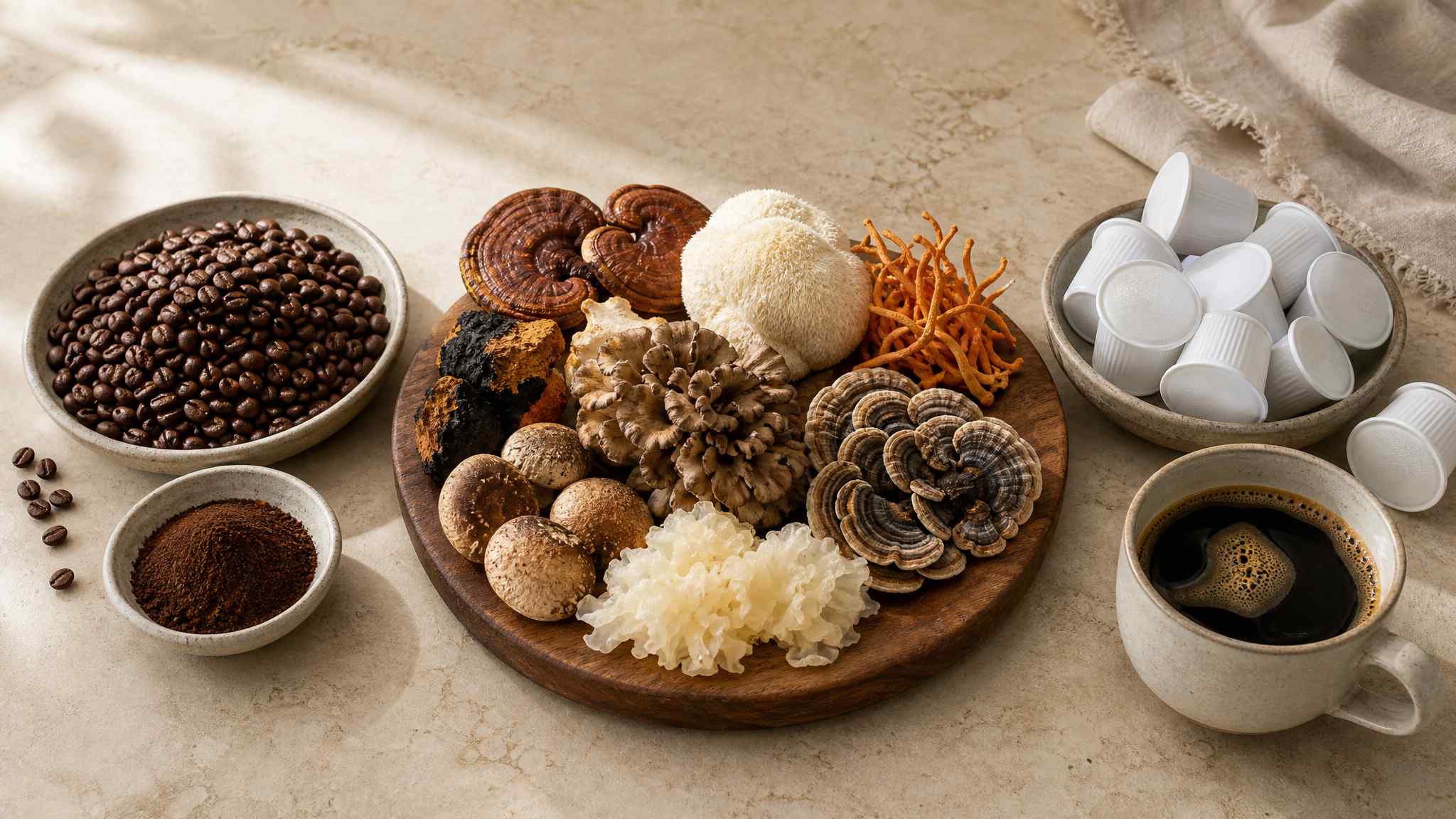
Common mushroom varieties used in these products include:
- Lion’s Mane (Hericium erinaceus)
- Reishi (Ganoderma lucidum)
- Chaga (Inonotus obliquus)
- Cordyceps (Cordyceps militaris)
Different mushroom combinations may be selected depending on product positioning, flavor preferences, and consumer expectations.
How Mushroom Coffee Pods Differ From Traditional Coffee Pods
Traditional coffee pods mainly focus on coffee flavor, aroma, and brewing convenience.
Mushroom coffee pods introduce an additional ingredient category: functional mushrooms.
The main differences include:
| Feature | Traditional Coffee Pods | Mushroom Coffee K Pods |
|---|---|---|
| Main ingredient | Coffee | Coffee + mushroom ingredients |
| Product positioning | Daily coffee | Functional beverage |
| Ingredients | Coffee beans | Coffee, mushroom extracts, optional additions |
| Consumer interest | Flavor and convenience | Flavor, convenience, and functional ingredients |
However, the actual experience depends on the formulation. Some products may contain higher mushroom extract levels, while others focus primarily on coffee taste with smaller amounts of functional ingredients.

Why Are Mushroom Coffee Pods Becoming Popular?
Growth of the Functional Beverage Market
The functional beverage industry has expanded as consumers increasingly seek products that combine everyday consumption with additional ingredients.
This trend includes categories such as:
- Plant-based beverages
- Adaptogenic drinks
- Protein beverages
- Herbal wellness products
- Functional coffee blends
Mushroom coffee fits into this movement by combining a familiar product category with ingredients that have a long history of traditional use and ongoing scientific research.
Consumer Demand for Convenience
Modern consumers often prioritize products that fit easily into busy lifestyles.
Single-serve coffee formats provide several advantages:
- Fast preparation
- Consistent serving size
- Easy storage
- Reduced preparation steps
For people who already use coffee machines, mushroom coffee K pods offer a simple way to explore functional coffee without changing their brewing habits.
Premium Coffee Product Innovation
Coffee brands are continuously exploring new ways to differentiate their products.
Mushroom coffee pods provide opportunities for brands to develop:
- Specialty coffee products
- Wellness-focused beverages
- Subscription coffee lines
- Premium functional drinks
The combination of coffee convenience and functional ingredients creates a new product position between traditional coffee and wellness beverages.
Common Ingredients in Mushroom Coffee K Pods
Coffee Base
Coffee remains the primary ingredient in most mushroom coffee pods.
Manufacturers may use:
Arabica Coffee
Arabica is commonly selected for premium coffee products because of its:
- Smooth flavor
- Aromatic profile
- Specialty coffee positioning
Robusta Coffee
Robusta may be included for:
- Stronger coffee characteristics
- Higher caffeine content
- Different flavor balance
Organic Coffee
Some products use organic coffee beans to meet consumer demand for cleaner ingredient sourcing.
Functional Mushroom Ingredients
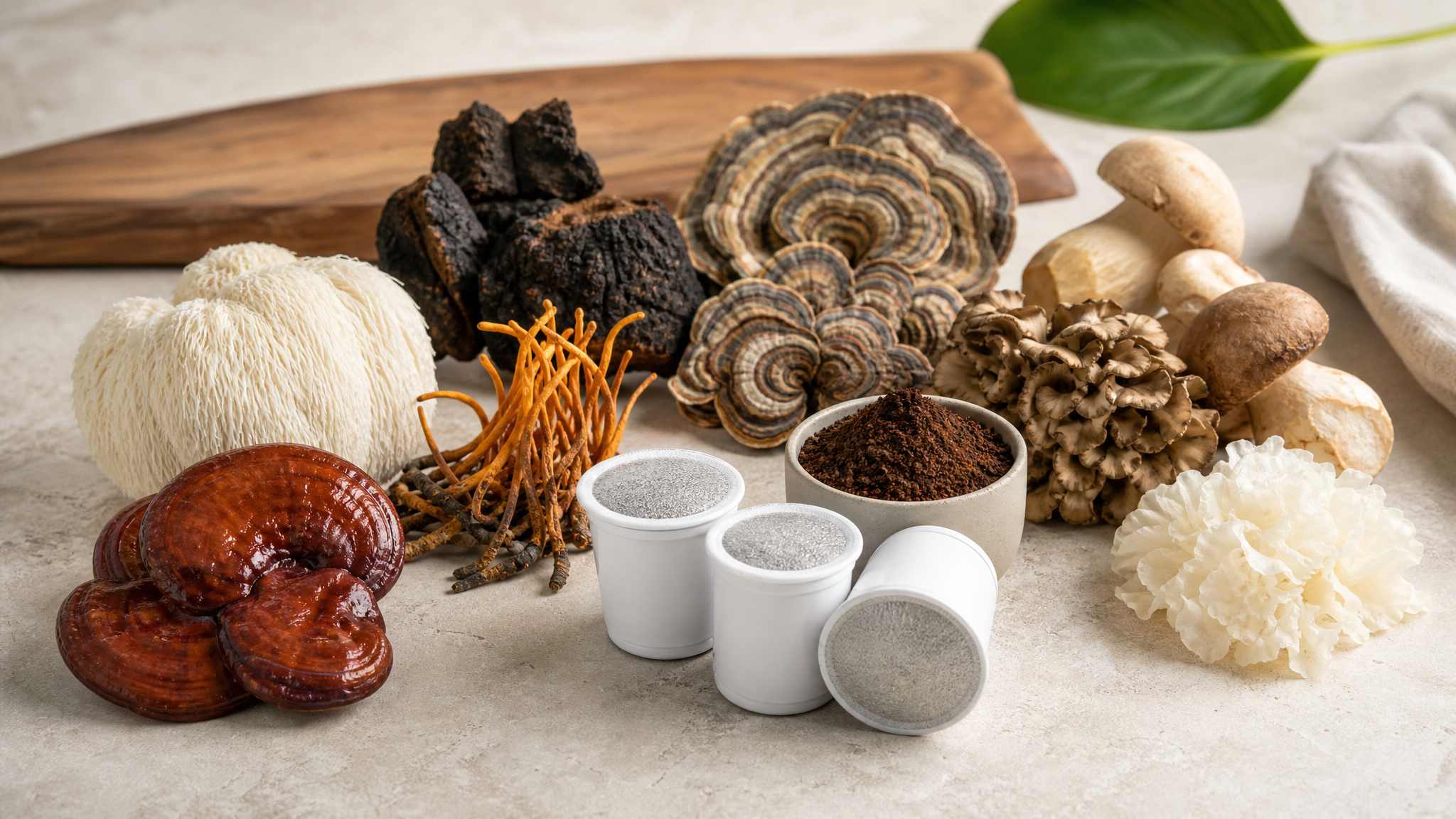
Lion’s Mane Mushroom
Lion’s Mane is one of the most recognized functional mushrooms in the coffee category.
Research has examined compounds found in Lion’s Mane, including erinacines and hericenones. A clinical trial published in Phytotherapy Research investigated Lion’s Mane supplementation in adults with mild cognitive impairment, contributing to continued scientific interest.
Reishi Mushroom
Reishi has been traditionally used in Asian cultures and is commonly included in functional mushroom blends.
It contains naturally occurring compounds such as:
- Polysaccharides
- Triterpenes
Chaga Mushroom
Chaga contains various bioactive compounds that have been studied for their antioxidant-related properties.
Cordyceps Mushroom
Cordyceps is frequently used in products targeting active lifestyle consumers. Research has explored its relationship with exercise performance and energy metabolism.

How Mushroom Coffee K Pods Are Manufactured
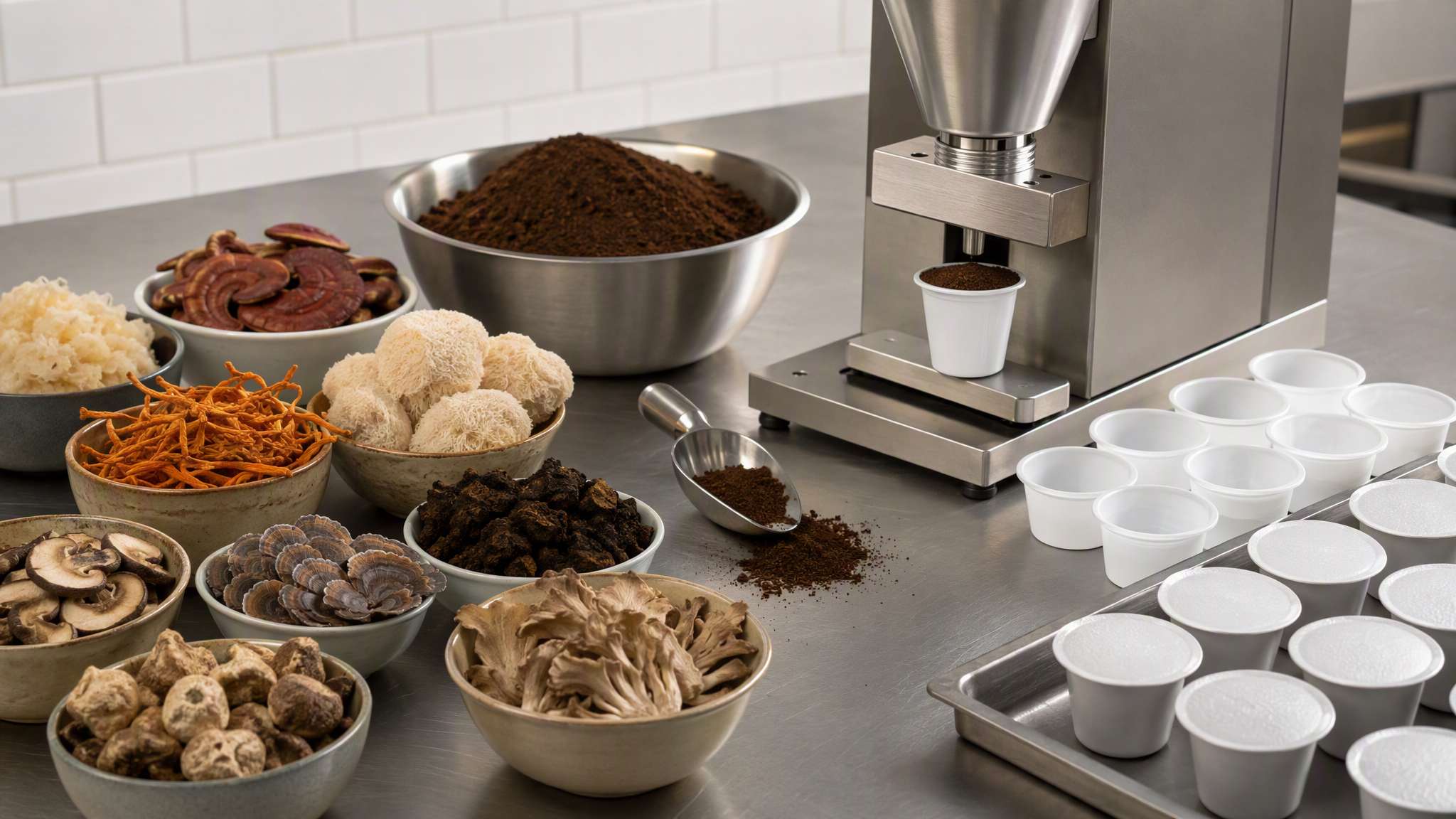
Step 1: Ingredient Preparation
Manufacturing begins with selecting and preparing raw materials.
This process may include:
- Coffee grinding
- Mushroom ingredient testing
- Ingredient measurement
- Formula preparation
Quality control at this stage helps ensure consistency between production batches.
Step 2: Blending Process
Coffee and mushroom ingredients must be carefully balanced.
Manufacturers consider:
- Mushroom ingredient ratio
- Coffee intensity
- Flavor characteristics
- Powder consistency
Because mushrooms can have earthy flavors, formulation specialists often focus on achieving a balanced taste profile.
Step 3: Pod Filling and Sealing
After blending, the coffee mixture is filled into pods.
The process typically involves:
- Preparing empty pods
- Filling with coffee blend
- Applying filters or protective layers
- Sealing the pod
Proper sealing is important because it helps protect freshness and maintain product quality.
Step 4: Quality Testing
Finished mushroom coffee pods may undergo testing for:
- Weight consistency
- Packaging integrity
- Product stability
- Microbial safety
Quality control helps ensure that each serving provides a consistent consumer experience.
Different Mushroom Coffee Pod Formats
K-Cup Compatible Pods
Many consumers search for mushroom coffee pods that work with popular single-serve brewing systems.
Compatibility depends on:
- Pod design
- Machine specifications
- Manufacturer requirements
Compostable Coffee Pods
As sustainability becomes increasingly important, some brands explore compostable pod materials.
These products aim to reduce environmental impact while maintaining brewing convenience.
Aluminum Coffee Capsules
Aluminum capsules are often positioned as premium coffee products because of their durability and ability to preserve freshness.
Single-Serve Sachets vs Coffee Pods
Both formats have advantages.
| Format | Advantages |
|---|---|
| Coffee pods | Convenient machine brewing |
| Sachets | Flexible preparation methods |
The best format depends on consumer preferences and product positioning.
Private Label Mushroom Coffee K Pods Manufacturing
Custom Formula Development
Brands interested in launching mushroom coffee products may work with manufacturers that provide private label services.
Customization options may include:
- Mushroom combinations
- Coffee varieties
- Flavor profiles
- Ingredient adjustments
For example, a brand may develop:
- Lion’s Mane coffee pods
- Multi-mushroom coffee blends
- Organic mushroom coffee products
Custom Packaging Options
Packaging plays an important role in product presentation.
Options may include:
- Custom labels
- Retail boxes
- Individual pod packaging
- Bulk packaging
Clear product information helps consumers understand ingredients and preparation methods.
Production Support
Professional manufacturers may support different stages, including:
- Product development
- Sample production
- Testing
- Large-scale manufacturing
Certifications and Quality Standards
GMP Manufacturing
Good Manufacturing Practices (GMP) provide guidelines for controlled production environments.
Important areas include:
- Facility management
- Documentation
- Quality procedures
- Production consistency
Food Safety Standards
Depending on market requirements, manufacturers may follow standards such as:
- HACCP
- ISO food safety systems
- Regional food regulations
Organic and Other Certifications
Some products may pursue certifications related to:
- Organic ingredients
- Kosher requirements
- Non-GMO standards
Certification requirements depend on target markets and product claims.
How to Choose a Mushroom Coffee Pod Manufacturer
When evaluating suppliers, brands may consider:
Manufacturing Experience
Important factors include:
- Experience with coffee products
- Functional ingredient knowledge
- Production capability
Ingredient Expertise
A capable manufacturer should understand:
- Mushroom extracts
- Coffee formulation
- Ingredient compatibility
Product Sample Testing
Before full production, samples can help evaluate:
- Taste
- Brewing performance
- Aroma
- Packaging quality
Mushroom Coffee K Pods Market Opportunities
The combination of coffee convenience and functional ingredients creates opportunities across several markets.
Potential applications include:
- Retail coffee brands
- Wellness companies
- Subscription coffee services
- Functional beverage businesses
As consumers continue exploring personalized nutrition and convenient wellness products, mushroom coffee pods represent one example of how traditional categories are adapting to changing preferences.
Frequently Asked Questions
Are mushroom coffee K pods available?
Yes, mushroom coffee is available in different formats, including single-serve pods, instant powders, and ground blends.
Can mushroom coffee be made into private label pods?
Yes, depending on manufacturing capabilities, brands can develop customized mushroom coffee pod products.
Are mushroom coffee pods compatible with coffee machines?
Compatibility depends on the pod design and the specific brewing system.
What mushrooms are commonly used in coffee pods?
Common varieties include Lion’s Mane, Reishi, Chaga, and Cordyceps.
What should brands consider when developing mushroom coffee pods?
Key considerations include formulation, ingredient quality, manufacturing standards, packaging, and target market requirements.
Scientific References
- Mori K, Inatomi S, Ouchi K, Azumi Y, Tuchida T.
Improving effects of the mushroom Yamabushitake (Hericium erinaceus) on mild cognitive impairment: A double-blind placebo-controlled clinical trial.
Phytotherapy Research. 2009. - Friedman M.
Chemistry, Nutrition, and Health-Promoting Properties of Hericium erinaceus Mushroom Fruiting Bodies and Mycelia and Their Bioactive Compounds.
Journal of Agricultural and Food Chemistry. - Wasser SP.
Medicinal mushroom science: Current perspectives and future directions.
Conclusion
Mushroom coffee K pods combine two growing consumer interests: convenient single-serve coffee and functional mushroom ingredients. While the category is still developing, it reflects broader trends toward personalized beverages, clean ingredients, and innovative coffee formats.
Understanding ingredients, manufacturing processes, quality standards, and product formats helps consumers and brands better evaluate mushroom coffee pod products in an expanding functional beverage market.