

Understanding the Connection Between Mushroom Coffee and Weight Loss
Mushroom coffee has become a popular functional beverage among consumers looking for healthier alternatives to traditional coffee. With growing interest in natural ingredients, plant-based nutrition, and wellness-focused products, many people are asking: does mushroom coffee help you lose weight?
The short answer is that current scientific evidence does not show that mushroom coffee directly causes weight loss. However, some components commonly found in mushroom coffee, such as caffeine and mushroom-derived compounds, have been studied for their potential roles in energy metabolism, appetite regulation, and overall wellness.
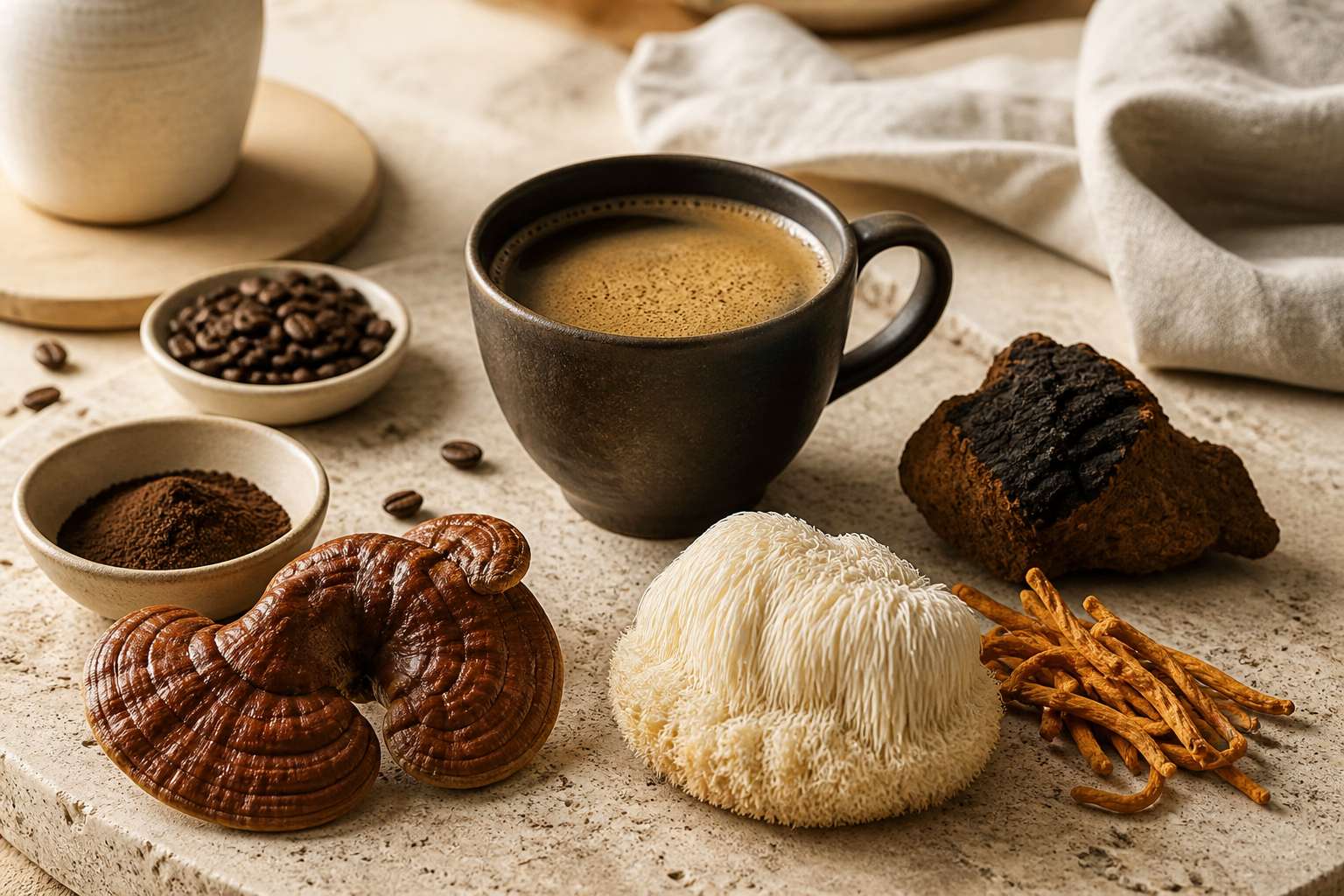
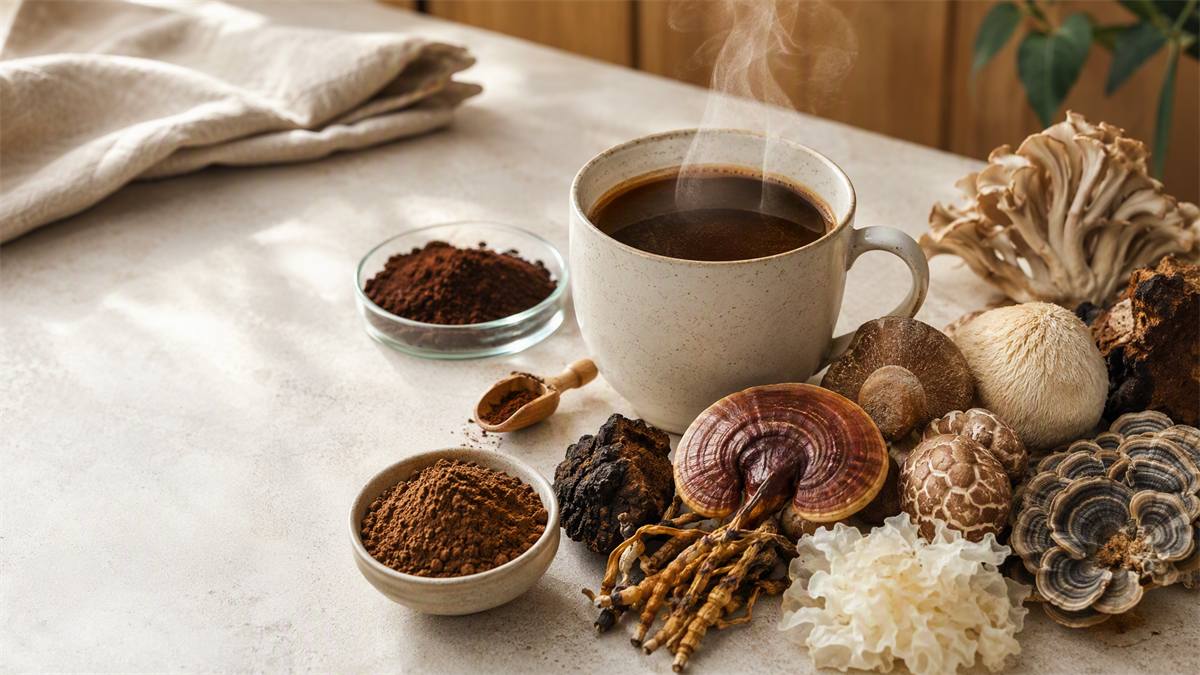
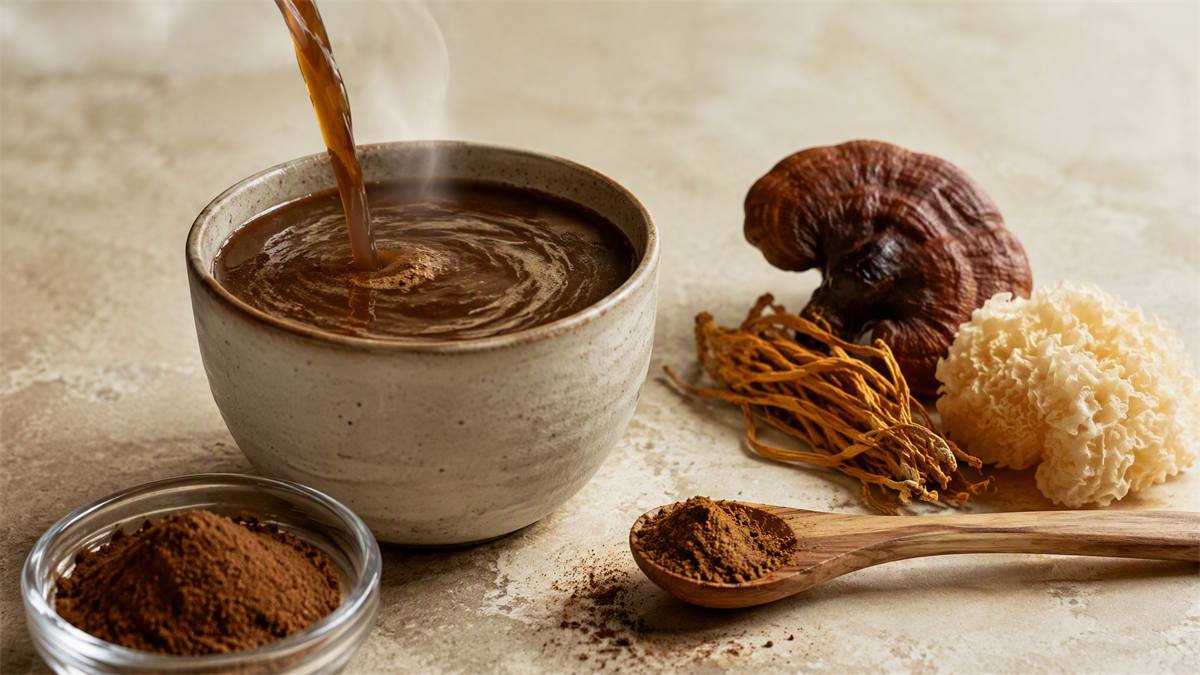
Mushroom coffee is generally made by combining coffee with functional mushrooms such as Lion’s Mane, Reishi, Chaga, or Cordyceps. These ingredients may provide additional nutritional characteristics compared with regular coffee, but they should be viewed as part of a balanced lifestyle rather than a standalone weight loss solution.
Understanding the ingredients, research findings, and realistic expectations can help consumers make informed decisions about whether mushroom coffee fits into their daily routine.
What Is Mushroom Coffee?
How Mushroom Coffee Is Made
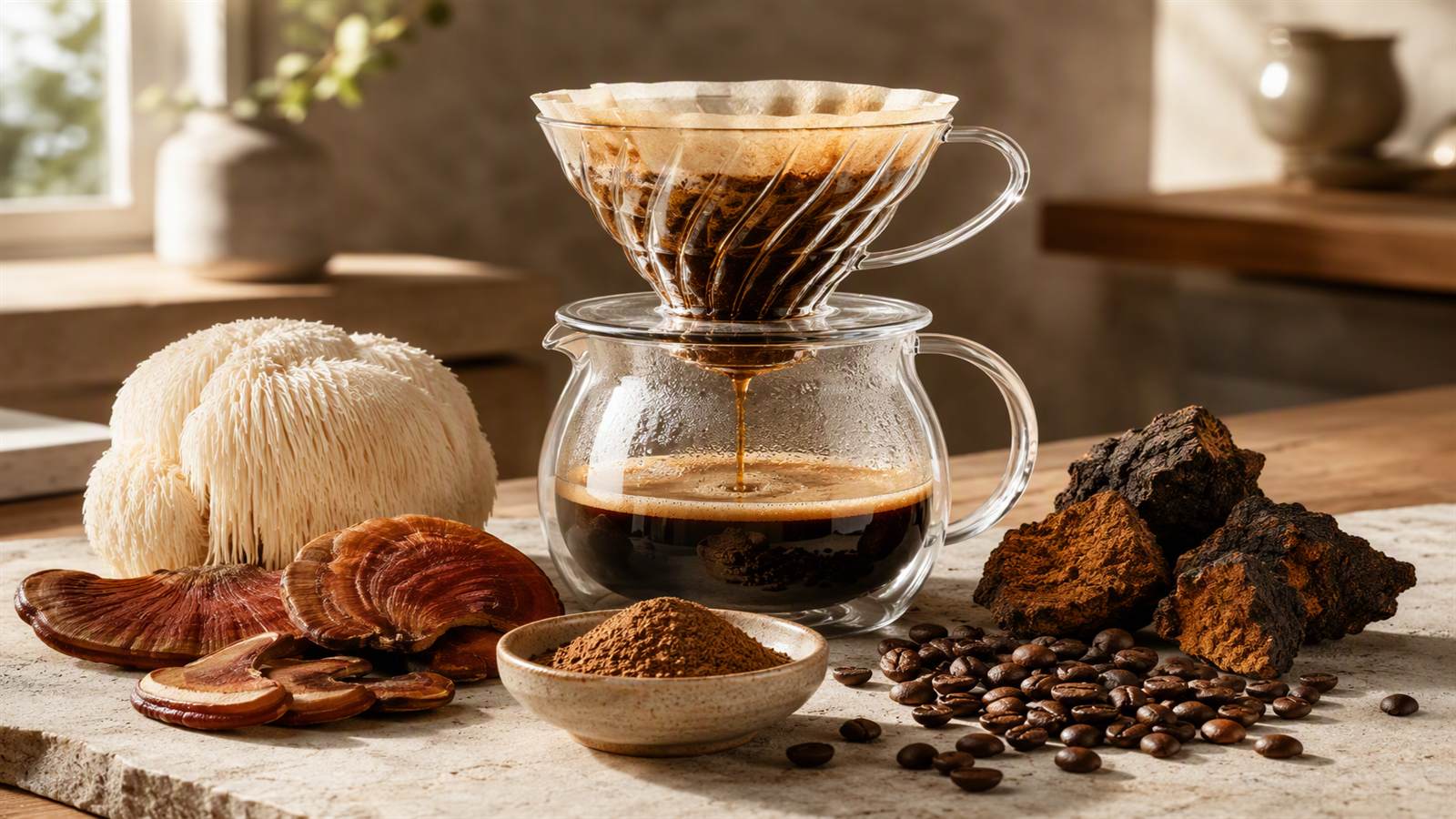
Mushroom coffee is a beverage that combines traditional coffee ingredients with mushroom-based ingredients, usually in the form of powder or extract.
Most mushroom coffee products contain:
- Coffee beans or instant coffee
- Mushroom powder or mushroom extract
- Additional natural ingredients depending on the formulation
Common functional mushrooms used in these blends include:
- Lion’s Mane mushroom
- Reishi mushroom
- Chaga mushroom
- Cordyceps mushroom
Despite its name, mushroom coffee is not made entirely from mushrooms. Coffee remains the primary ingredient in most formulations, while mushrooms are added to introduce additional plant-based compounds.
The final product can be found in different formats, including instant coffee powders, ground coffee blends, coffee pods, and ready-to-mix beverages.
Why Is Mushroom Coffee Considered a Functional Beverage?
Functional beverages are drinks that contain ingredients selected for their nutritional characteristics beyond basic hydration or taste.
Mushroom coffee belongs to this category because functional mushrooms contain naturally occurring compounds such as:
- Beta-glucans
- Polysaccharides
- Triterpenes
- Other bioactive compounds
However, the presence of these compounds does not automatically mean a product will produce specific health outcomes. The effects of functional ingredients depend on factors such as dosage, extraction method, product formulation, and individual lifestyle factors.
 Does Mushroom Coffee Help You Lose Weight?
The Role of Caffeine and Metabolism
One reason people associate mushroom coffee with weight management is its caffeine content.
Caffeine has been widely studied for its effects on energy expenditure and metabolism. Research suggests that caffeine may temporarily increase thermogenesis, which is the process by which the body produces heat and uses energy.
Some studies have also examined caffeine’s relationship with fat oxidation, or the use of fat as an energy source during metabolism.
However, these effects are generally modest and should not be interpreted as a direct weight loss mechanism.
A cup of mushroom coffee may provide the same caffeine-related effects as regular coffee because the caffeine mainly comes from coffee beans, not mushrooms.
According to research reviewed by the European Food Safety Authority (EFSA), caffeine intake within recommended limits can contribute to increased alertness and reduced fatigue. Its impact on body weight is more complex and influenced by overall diet, activity level, and individual metabolism.
Coffee, Appetite, and Eating Habits
Another possible connection between coffee and weight management involves appetite and eating behavior.
Some research suggests caffeine may temporarily influence feelings of hunger or energy balance. However, appetite responses vary significantly between individuals.
For example:
- Some people may feel less hungry after drinking coffee.
- Others may add sugar, cream, or high-calorie ingredients that increase total calorie intake.
The effect of mushroom coffee on weight management often depends less on the beverage itself and more on how it fits into a person’s overall eating pattern.
A low-calorie mushroom coffee consumed as a replacement for sugary coffee drinks may support calorie control, while a high-calorie version with added sweeteners may have the opposite effect.
Replacing Higher-Calorie Beverages
One realistic way mushroom coffee may support weight management is through beverage substitution.
Many popular coffee drinks contain significant calories from:
- Added sugar
- Creamers
- Flavored syrups
- Milk-based additions
Replacing these drinks with a simpler mushroom coffee blend may reduce daily calorie intake.
For example:
- Sweetened coffee beverage → higher calorie intake
- Unsweetened mushroom coffee → lower calorie alternative
In this case, the benefit comes from reducing excess calories rather than from a direct fat-burning effect.

Mushroom Coffee Ingredients and Their Potential Role
Lion’s Mane Mushroom
Lion’s Mane (Hericium erinaceus) is one of the most widely recognized functional mushrooms.
It contains naturally occurring compounds, including polysaccharides and hericenones, which have attracted scientific interest.
Research has mainly focused on areas related to:
- Cognitive function
- Nerve-related mechanisms
- Bioactive compounds
A clinical study published in Phytotherapy Research investigated Lion’s Mane supplementation in individuals with mild cognitive impairment and reported potential cognitive benefits during the study period.
However, research on Lion’s Mane has not established that it directly causes weight loss.
Reishi Mushroom
Reishi (Ganoderma lucidum) has been traditionally used in various cultures for centuries.
It contains compounds such as:
- Polysaccharides
- Triterpenes
Scientific studies have explored Reishi extracts in relation to biological activities, including antioxidant and immune-related mechanisms.
When included in mushroom coffee, Reishi contributes additional mushroom-derived compounds, but current evidence does not confirm a direct weight reduction effect.
Chaga Mushroom
Chaga (Inonotus obliquus) is known for containing naturally occurring compounds including polyphenols and antioxidant-related components.
Research on Chaga has mainly examined:
- Antioxidant activity
- Bioactive compounds
- Cellular mechanisms
Most studies focus on concentrated extracts rather than finished mushroom coffee products.
Cordyceps Mushroom
Cordyceps species are commonly found in functional beverages and sports nutrition products.
Research has explored Cordyceps in areas related to:
- Exercise performance
- Energy metabolism
- Physical activity
While these areas may indirectly relate to an active lifestyle, Cordyceps coffee should not be considered a weight loss supplement.

Mushroom Coffee vs Regular Coffee for Weight Management
Mushroom coffee and regular coffee share several similarities because both contain coffee as a primary ingredient.
| Feature | Mushroom Coffee | Regular Coffee |
|---|---|---|
| Main ingredient | Coffee with mushroom ingredients | Coffee beans |
| Caffeine source | Coffee | Coffee |
| Mushroom compounds | Yes | No |
| Calories | Usually low without additives | Usually low without additives |
| Weight loss evidence | Limited direct research | More caffeine research available |
The main difference is the addition of functional mushroom ingredients.
For consumers interested in functional nutrition, mushroom coffee provides another beverage option. However, it should not be considered automatically more effective for weight loss than regular coffee.
Factors That Actually Influence Weight Loss
While mushroom coffee may fit into a healthy lifestyle, long-term weight management depends on several established factors.
Balanced Nutrition
Diet quality plays a major role in weight management.
Important factors include:
- Total calorie intake
- Protein consumption
- Fiber-rich foods
- Overall food choices
No single beverage can replace a balanced eating pattern.
Physical Activity
Regular movement supports:
- Energy expenditure
- Muscle maintenance
- Overall health
Exercise combined with appropriate nutrition remains one of the most researched approaches for managing body weight.
Sleep and Lifestyle Factors
Sleep quality and stress levels may also influence eating behavior and metabolism.
Healthy weight management usually involves multiple lifestyle habits working together.

How to Use Mushroom Coffee as Part of a Healthy Routine
Choose Low-Sugar Options
When selecting mushroom coffee, check:
- Added sugars
- Sweeteners
- Creamer ingredients
- Serving size
A simple formulation is usually easier to fit into a calorie-conscious lifestyle.
Pay Attention to Caffeine Intake
Mushroom coffee still contains caffeine.
Consumers should consider:
- Total daily caffeine consumption
- Personal caffeine sensitivity
- Timing of coffee consumption
Use It as a Beverage Choice, Not a Weight Loss Method
Mushroom coffee can be part of a balanced routine, but realistic expectations are important.
Healthy weight management is influenced by:
- Diet
- Activity
- Sleep
- Long-term habits
What Does Scientific Research Say About Mushroom Coffee and Weight Loss?
Current research provides more information about individual ingredients than finished mushroom coffee products.
Studies on coffee have examined caffeine and metabolic effects.
Studies on functional mushrooms have investigated compounds such as beta-glucans and polysaccharides.
However, there are currently limited clinical trials specifically testing whether mushroom coffee helps people lose weight.
This means consumers should evaluate mushroom coffee based on available evidence rather than marketing claims.

How to Choose Mushroom Coffee for Weight Management
Review the Ingredient List
Look for:
- Clearly identified mushroom species
- Transparent ingredient information
- Appropriate serving size
Consider Product Quality
Quality indicators may include:
- Third-party testing
- Ingredient verification
- Manufacturing standards
- Clear labeling
Be Careful With Weight Loss Claims
Consumers should be cautious of products claiming:
- Rapid fat burning
- Guaranteed weight loss
- Effortless results
Evidence-based nutrition focuses on sustainable lifestyle choices rather than quick fixes.

Frequently Asked Questions
Does mushroom coffee burn fat?
Current evidence does not show that mushroom coffee directly burns fat. Any potential effects are more likely related to caffeine intake and overall dietary habits.
Is mushroom coffee better than regular coffee for weight loss?
There is not enough evidence to say mushroom coffee is more effective than regular coffee for weight loss.
How many calories does mushroom coffee contain?
Calories vary by formulation. Plain mushroom coffee blends are generally low in calories, while products with added sugars or creamers may contain more.
Can I drink mushroom coffee while trying to lose weight?
Yes. Mushroom coffee can be included in a healthy diet, especially when choosing low-sugar options.
Which mushroom is best for weight loss?
No functional mushroom has been scientifically proven to directly cause weight loss.
Scientific References
- European Food Safety Authority (EFSA).
Scientific Opinion on the Safety of Caffeine. - Mori K, et al.
Improving effects of the mushroom Yamabushitake (Hericium erinaceus) on mild cognitive impairment.
Phytotherapy Research. 2009. - Wasser SP.
Medicinal mushroom science: Current perspectives and future directions. - National Institutes of Health (NIH).
Research publications on caffeine metabolism, nutrition, and energy balance.
Final Thoughts
So, does mushroom coffee help you lose weight? Current scientific evidence suggests that mushroom coffee itself is not a direct weight loss solution. However, it can be part of a healthy lifestyle when used as a low-calorie beverage choice and combined with balanced nutrition, regular activity, and sustainable habits.
The potential value of mushroom coffee comes from its combination of traditional coffee compounds and functional mushroom ingredients. Understanding what research supports—and what remains uncertain—allows consumers to make more informed decisions about this growing category of functional beverages.