
Why Mushroom Coffee Quality Matters
Mushroom coffee has become increasingly popular among consumers interested in functional beverages, alternative coffee products, and ingredient-focused nutrition. As more products enter the market, questions about quality, sourcing, and safety have become just as important as flavor and convenience.
One common concern among consumers is whether mushroom coffee can contain mold or unwanted contaminants. The term “mold-free mushroom coffee” is often used to describe products that follow strict quality control practices designed to reduce the risk of mold growth and mycotoxin contamination.
However, high-quality mushroom coffee is not defined by a single label. Product safety depends on multiple factors, including raw material selection, cultivation practices, drying methods, storage conditions, manufacturing controls, and laboratory testing.
Understanding how mushroom coffee is tested and what quality standards are involved can help consumers make more informed choices when selecting functional coffee products.
What Does Mold-Free Mushroom Coffee Mean?
Understanding Mold and Mycotoxins
Mold refers to the growth of fungi on organic materials under suitable environmental conditions, especially when moisture and temperature are not properly controlled.
Mycotoxins are naturally occurring compounds produced by certain types of fungi. Some mycotoxins can become a concern in agricultural products if raw materials are not properly handled, stored, or tested.
It is important to understand that the presence of mushrooms in a product does not automatically mean the product contains harmful mold. Edible mushrooms and medicinal mushrooms are intentionally cultivated and processed under controlled conditions.
For mushroom coffee, quality management focuses on preventing unwanted fungal growth through:
- Controlled cultivation
- Proper drying
- Moisture management
- Clean manufacturing environments
- Laboratory testing
The phrase “mold-free” generally refers to products that meet certain quality expectations through these preventive measures rather than being a separate official food category.
Why Consumers Care About Mushroom Coffee Safety
As consumers become more interested in natural and functional ingredients, they are also paying closer attention to transparency.
Common questions include:
- Where were the mushrooms grown?
- Were the ingredients tested?
- Are the mushrooms identified correctly?
- Does the product contain unnecessary additives?
- Are quality reports available?
These questions are especially relevant for mushroom coffee because the product combines two agricultural ingredients: coffee and mushrooms.
Both ingredient categories require careful handling from farming through final production.

How Mushroom Coffee Can Be Contaminated
Raw Material Quality
The quality of mushroom coffee begins with the raw materials.
Mushroom ingredients may be affected by:
- Growing environment
- Water quality
- Harvesting methods
- Drying conditions
- Supplier management
High-quality manufacturers typically work with suppliers that provide information about mushroom species, cultivation methods, and ingredient testing.
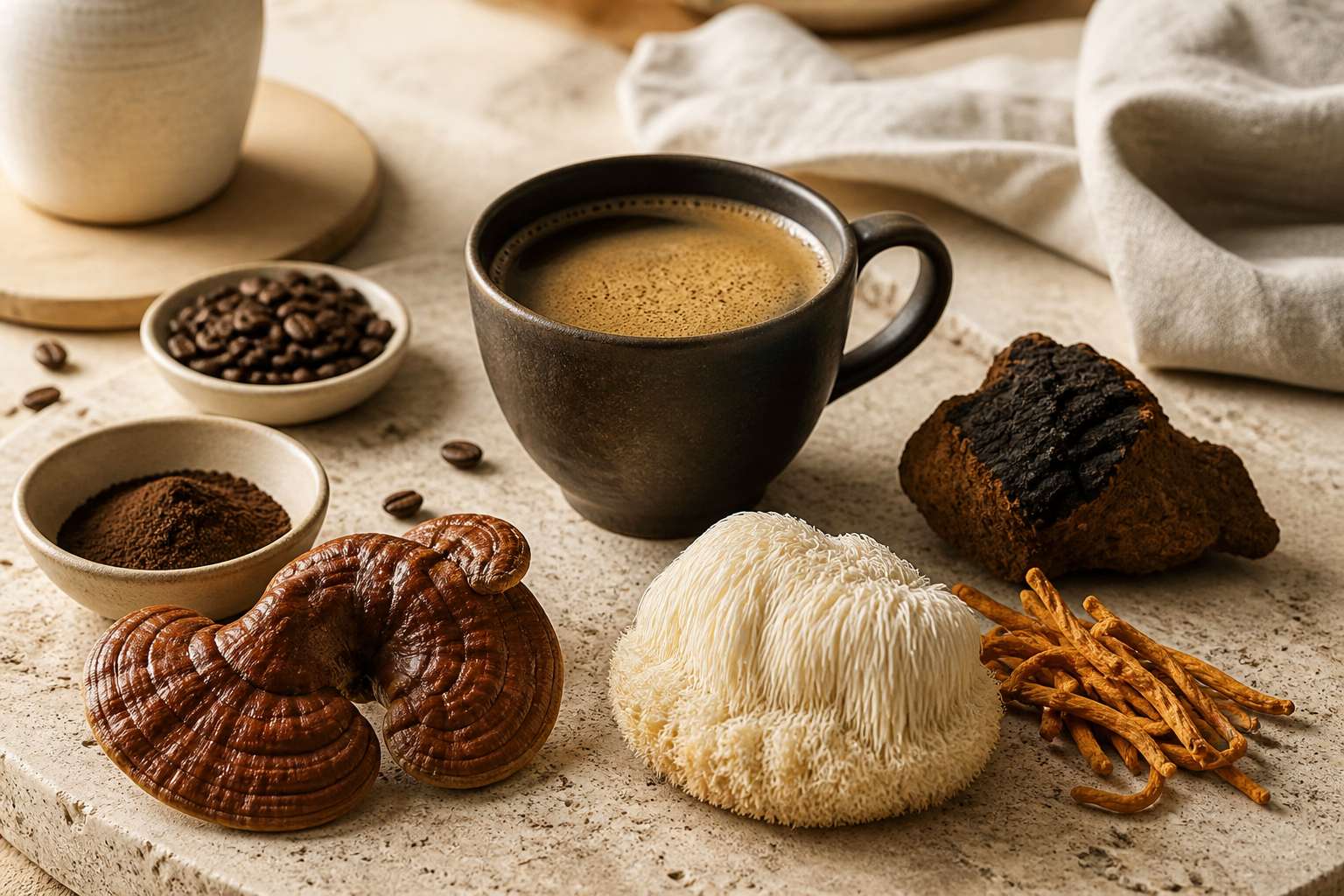
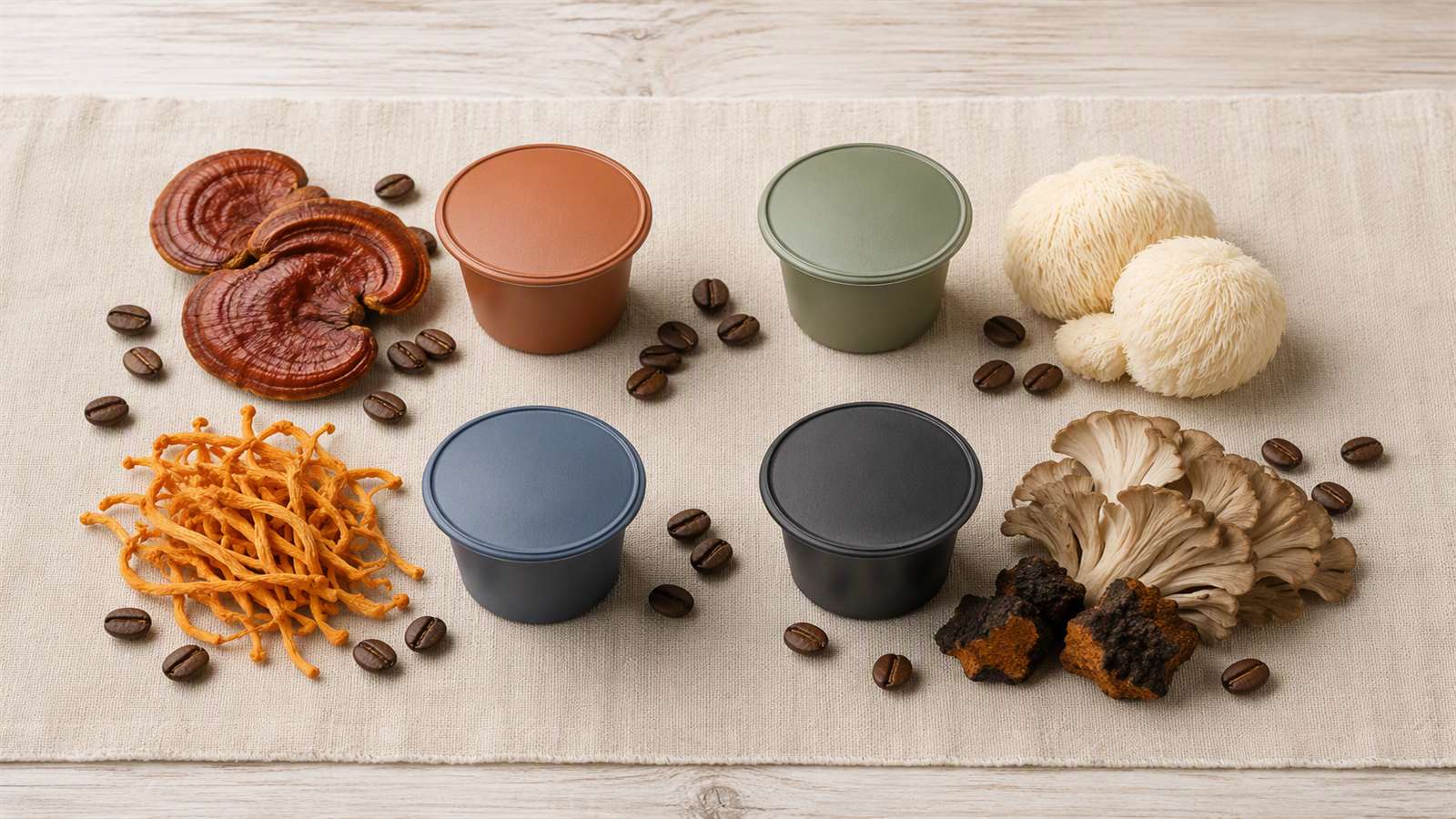
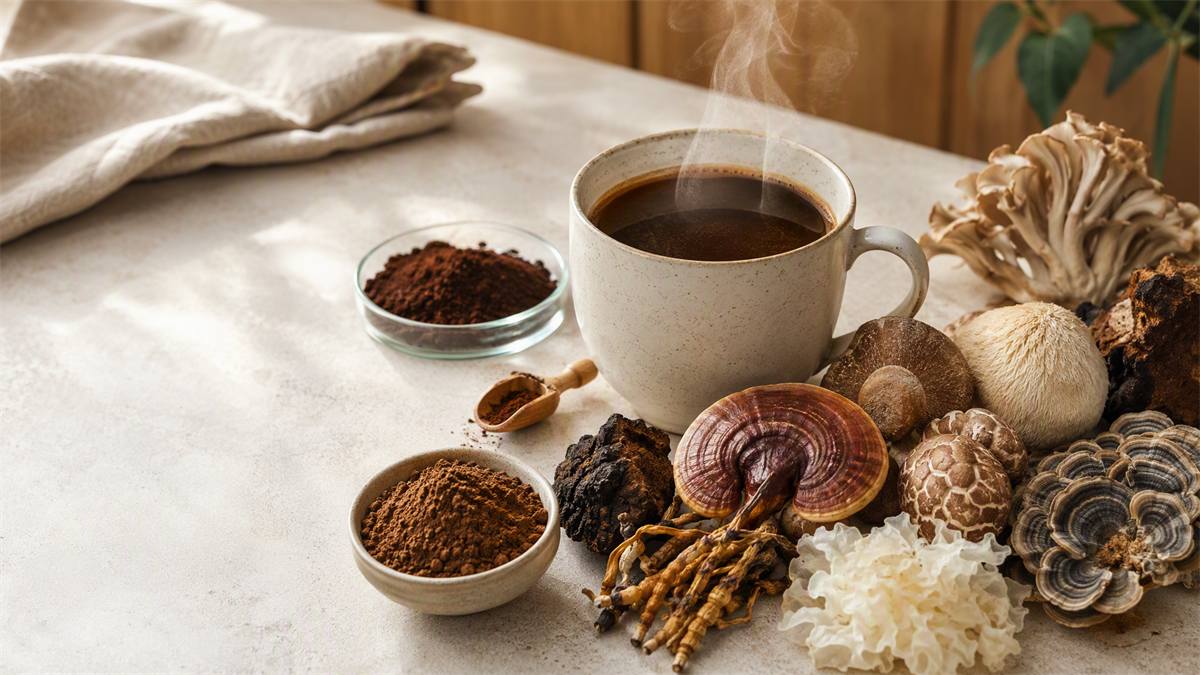
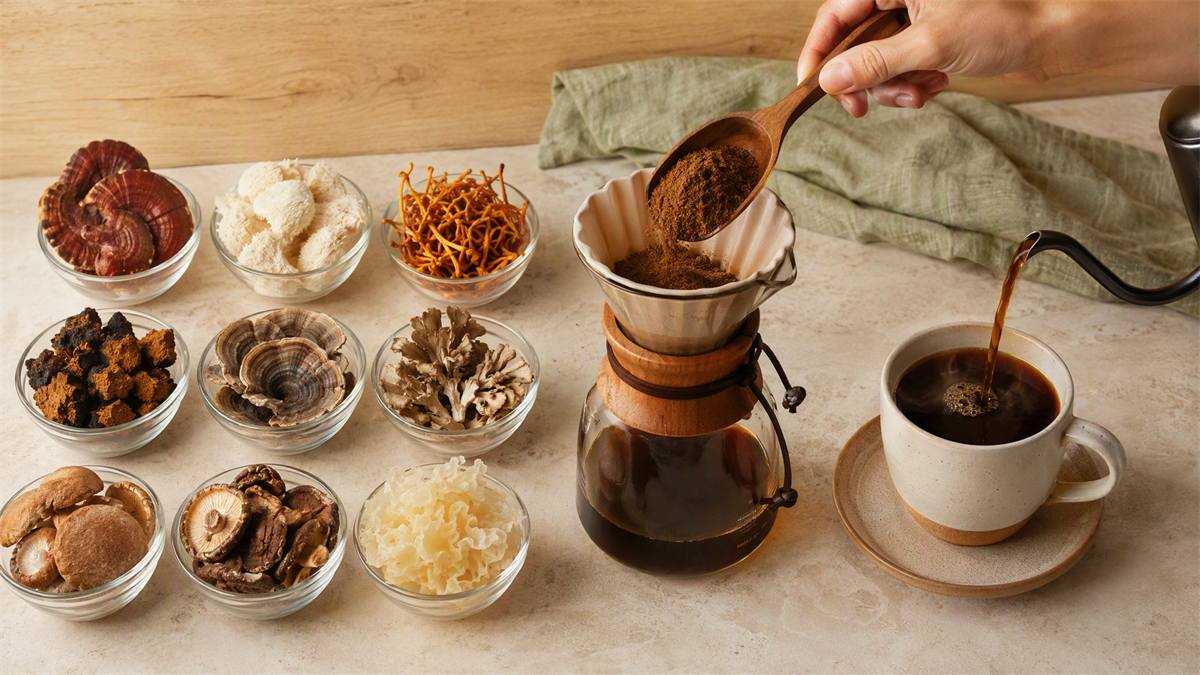
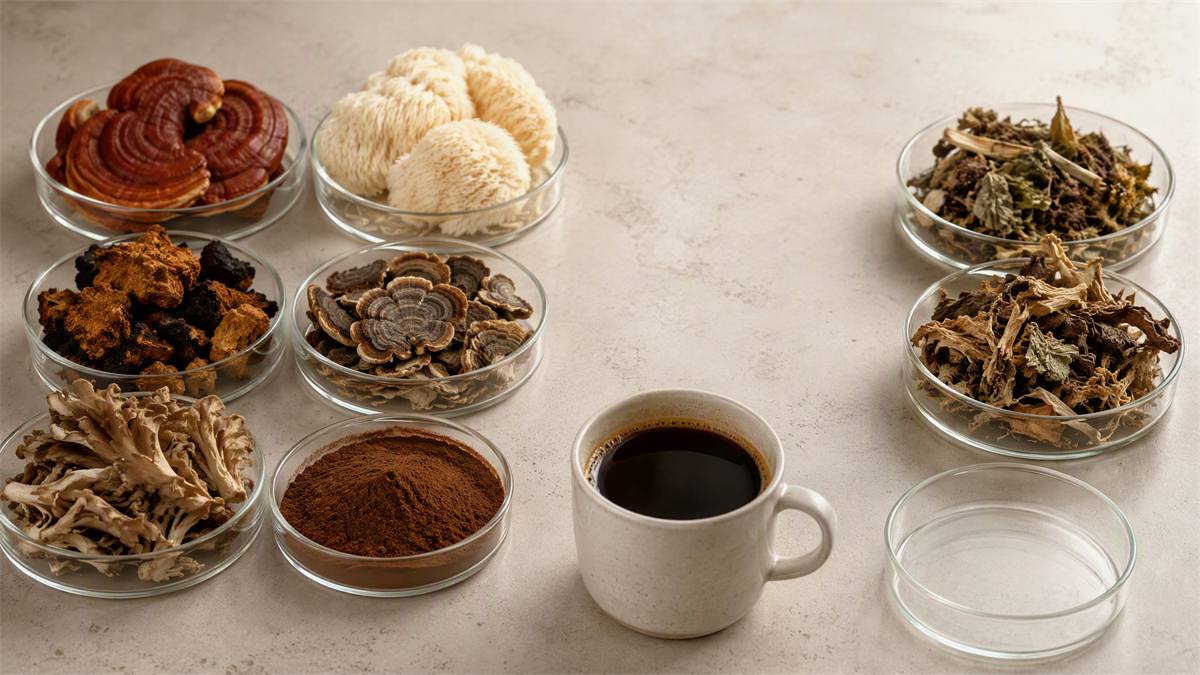
Species identification is also important because different mushrooms have different chemical compositions. For example, Lion’s Mane, Reishi, Chaga, and Cordyceps are distinct mushroom species with different naturally occurring compounds.
Drying and Storage Conditions
After harvesting, mushrooms usually require drying to reduce moisture content and improve stability.
Improper drying or storage may create conditions where unwanted microorganisms can grow.
Important factors include:
- Moisture control
- Temperature management
- Packaging protection
- Storage environment
Coffee ingredients also require proper storage because humidity, oxygen exposure, and poor packaging conditions can affect freshness and quality.
For this reason, manufacturers monitor environmental conditions throughout the supply chain.
Manufacturing Environment
Production facilities play an important role in product safety.
A controlled manufacturing environment typically includes:
- Equipment sanitation procedures
- Employee hygiene requirements
- Production documentation
- Ingredient traceability systems
Facilities following food safety systems are better positioned to identify potential risks before products reach consumers.
Common Quality Tests for Mushroom Coffee
Testing is one of the most important ways manufacturers evaluate product quality.
Different markets and products may require different testing programs, but common quality evaluations include the following.
Mycotoxin Testing
Mycotoxin testing examines whether certain fungal metabolites are present in ingredients.
Common mycotoxins tested in food products may include:
- Aflatoxins
- Ochratoxin A
Testing requirements depend on the ingredient type, regulatory requirements, and intended market.
For mushroom coffee, mycotoxin testing can be part of a broader quality control program that evaluates raw materials and finished products.
Microbial Testing
Microbial analysis evaluates the presence and levels of microorganisms in a product.
Common tests may include:
- Total plate count
- Yeast and mold count
- Pathogen screening
These tests help confirm that products meet established food safety requirements.
Heavy Metal Testing
Mushrooms naturally interact with their growing environment, which makes heavy metal testing an important consideration.
Commonly tested elements include:
- Lead
- Cadmium
- Mercury
- Arsenic
Testing helps verify that ingredient levels remain within acceptable limits established by relevant regulations.
Pesticide Testing
For mushroom coffee products using agricultural ingredients, pesticide testing may also be performed.
This is particularly relevant for products marketed with organic or clean-label positioning.
Testing helps confirm ingredient quality and supports greater transparency between manufacturers and consumers.
Quality Standards for Mushroom Coffee Production
GMP Manufacturing Practices
Good Manufacturing Practices (GMP) provide guidelines for producing consistent and safe food and supplement products.
GMP systems generally focus on:
- Facility cleanliness
- Employee training
- Production procedures
- Documentation
- Quality checks
A GMP-controlled environment helps reduce production risks and improves consistency between batches.
HACCP Food Safety Systems
Hazard Analysis and Critical Control Points (HACCP) is a preventive food safety approach.
Instead of only testing finished products, HACCP focuses on identifying potential risks throughout production.
Key elements include:
- Identifying possible hazards
- Establishing control points
- Monitoring production processes
- Taking corrective actions when needed
Many food manufacturers use HACCP principles as part of their overall safety management systems.
ISO Food Safety Standards
ISO 22000 is an internationally recognized food safety management standard.
It combines principles of:
- Food safety management
- Risk control
- Communication throughout the supply chain
Certification standards vary between companies and regions, but internationally recognized systems can provide additional confidence in manufacturing processes.

How Mushroom Coffee Manufacturers Ensure Quality
Ingredient Selection
Quality begins with selecting reliable ingredients.
Important considerations include:
- Verified mushroom species
- Supplier qualification
- Ingredient testing
- Traceability records
Manufacturers may also evaluate whether mushroom ingredients are produced as powders or extracts, as processing methods can influence the final product.
Extraction and Processing Control
Mushroom extracts require controlled processing to maintain consistency.
Factors that may influence quality include:
- Extraction methods
- Processing temperatures
- Concentration levels
- Storage conditions
A standardized manufacturing process helps create more consistent products.
Batch Testing and Documentation
Quality-focused manufacturers often maintain records for each production batch.
Documentation may include:
- Ingredient records
- Production information
- Testing reports
- Certificate of Analysis (COA)
These records support traceability and quality verification.
What Is a Certificate of Analysis (COA)?
A Certificate of Analysis, commonly called a COA, is a document showing laboratory testing results for a product or ingredient.
A typical COA may include:
- Product name
- Batch number
- Testing date
- Laboratory information
- Test results
For mushroom coffee, a COA may provide information related to:
- Microbial testing
- Heavy metals
- Mycotoxins
- Ingredient specifications
COA documents can help brands and consumers better understand product quality, although the specific tests included may vary.

Mold-Free vs Organic Mushroom Coffee: What Is the Difference?
Although these terms are sometimes discussed together, they describe different aspects of product quality.
| Feature | Mold-Free Focus | Organic Focus |
|---|---|---|
| Main concern | Contamination control | Farming practices |
| Primary focus | Testing and prevention | Agricultural standards |
| Common verification | Laboratory testing | Organic certification |
Organic certification generally relates to how ingredients are grown and processed.
“Mold-free” focuses more on contamination prevention and testing practices.
A product can be organic without addressing every possible testing category, and a product can have strong safety testing without being certified organic.
How to Choose High-Quality Mushroom Coffee
Check Ingredient Transparency
Consumers should look for products that clearly list:
- Mushroom species
- Coffee ingredients
- Serving size
- Additional ingredients
Clear labeling makes it easier to understand what is actually included in the product.
Look for Testing Information
Quality indicators may include:
- Third-party testing
- COA availability
- Manufacturing certifications
- Transparent sourcing information
Companies that provide detailed quality information demonstrate a stronger commitment to product transparency.
Consider Manufacturing Practices
Important factors include:
- Food safety systems
- Production standards
- Ingredient traceability
- Quality control procedures
The manufacturing process is often just as important as the ingredient list itself.
Frequently Asked Questions
Is mushroom coffee naturally mold-free?
Mushrooms are natural agricultural products, so quality depends on cultivation, processing, storage, and testing. Reliable products use quality control systems to reduce contamination risks.
Does mushroom coffee need mycotoxin testing?
Testing requirements depend on regulations, ingredients, and product standards. Many quality programs include mycotoxin testing as part of broader safety evaluations.
How can I tell if mushroom coffee is high quality?
Look for transparent ingredient information, quality testing details, responsible sourcing, and clear manufacturing standards.
Is organic mushroom coffee safer than regular mushroom coffee?
Organic certification and safety testing address different areas. Organic focuses on farming practices, while safety testing evaluates specific quality parameters.
What tests should mushroom coffee manufacturers perform?
Common tests may include microbial analysis, mycotoxin testing, heavy metal testing, and ingredient verification.
Scientific and Authority References
- World Health Organization (WHO).
Mycotoxins – Food Safety Information. - U.S. Food and Drug Administration (FDA).
Food Safety Modernization Act (FSMA). - Wasser SP.
Medicinal mushroom science: Current perspectives and future directions. - Friedman M.
Chemistry, Nutrition, and Health-Promoting Properties of Hericium erinaceus Mushroom.
Journal of Agricultural and Food Chemistry.
Final Thoughts
Mold-free mushroom coffee is not simply about avoiding one specific issue. Product quality depends on a complete system that includes ingredient sourcing, cultivation practices, processing controls, storage conditions, and laboratory testing.
As interest in functional beverages continues to grow, consumers are increasingly looking for products with greater transparency and reliable quality standards. Understanding how mushroom coffee is tested and produced can help people evaluate products based on evidence rather than marketing claims.