

What Is Lion’s Mane Mushroom Coffee?
Coffee has long been one of the most popular daily beverages worldwide, valued for its aroma, taste, and naturally occurring caffeine. In recent years, a new category known as functional mushroom coffee has gained attention by combining traditional coffee with mushroom-based ingredients.
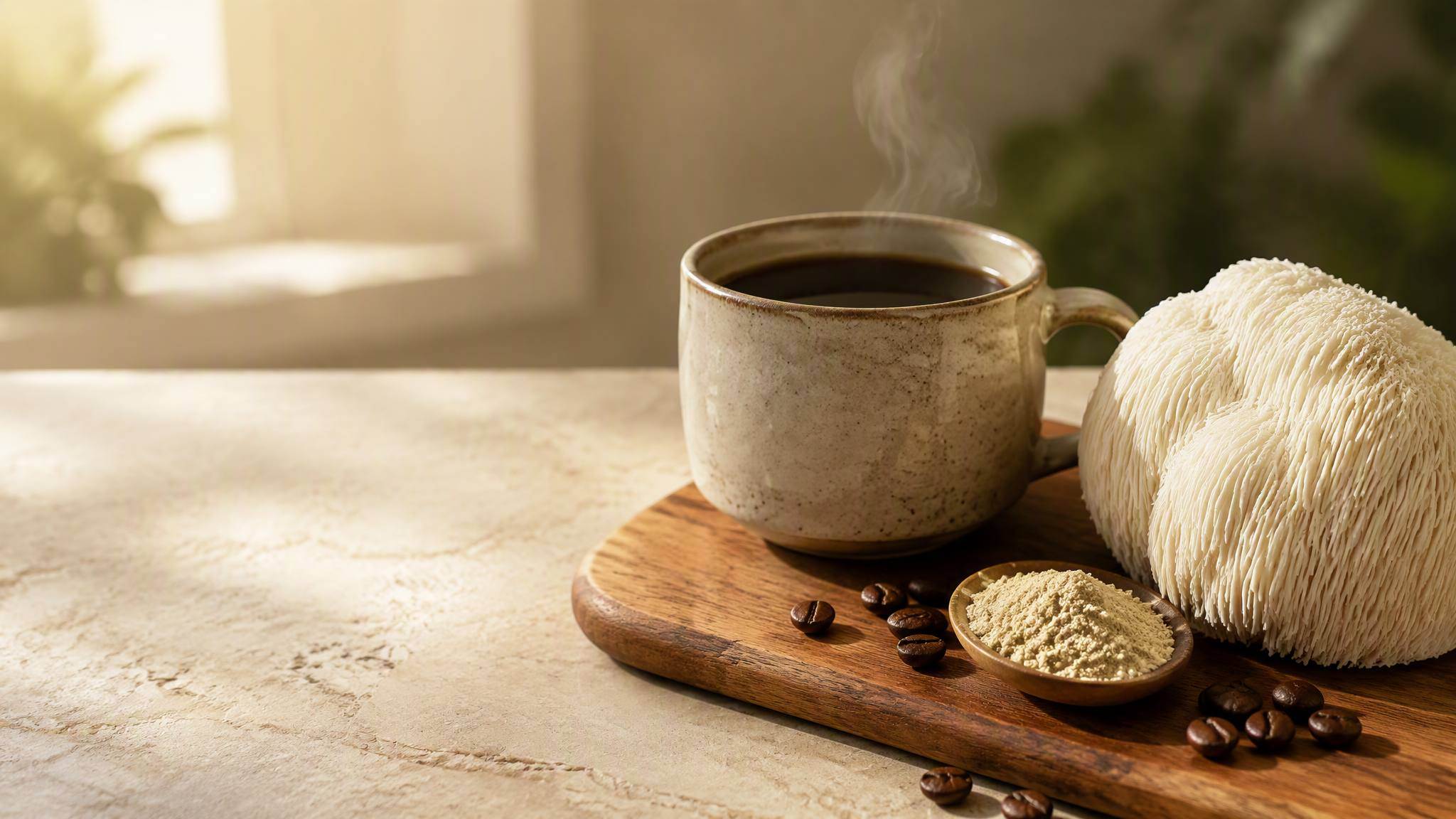
Among these products, Lion’s Mane mushroom coffee has become one of the most recognized options. It combines coffee with Lion’s Mane mushroom (Hericium erinaceus), a functional mushroom that has been studied for its unique bioactive compounds and traditional use.
Unlike conventional coffee, Lion’s Mane coffee products may contain additional ingredients such as mushroom powder, mushroom extract, or blends with other functional mushrooms. These formulations are designed to offer consumers a different beverage experience while fitting into familiar coffee routines.
As interest in functional beverages continues to grow, understanding Lion’s Mane mushroom coffee ingredients, research background, and market trends can help consumers make more informed choices.
Understanding Lion’s Mane Mushroom
What Is Lion’s Mane Mushroom?
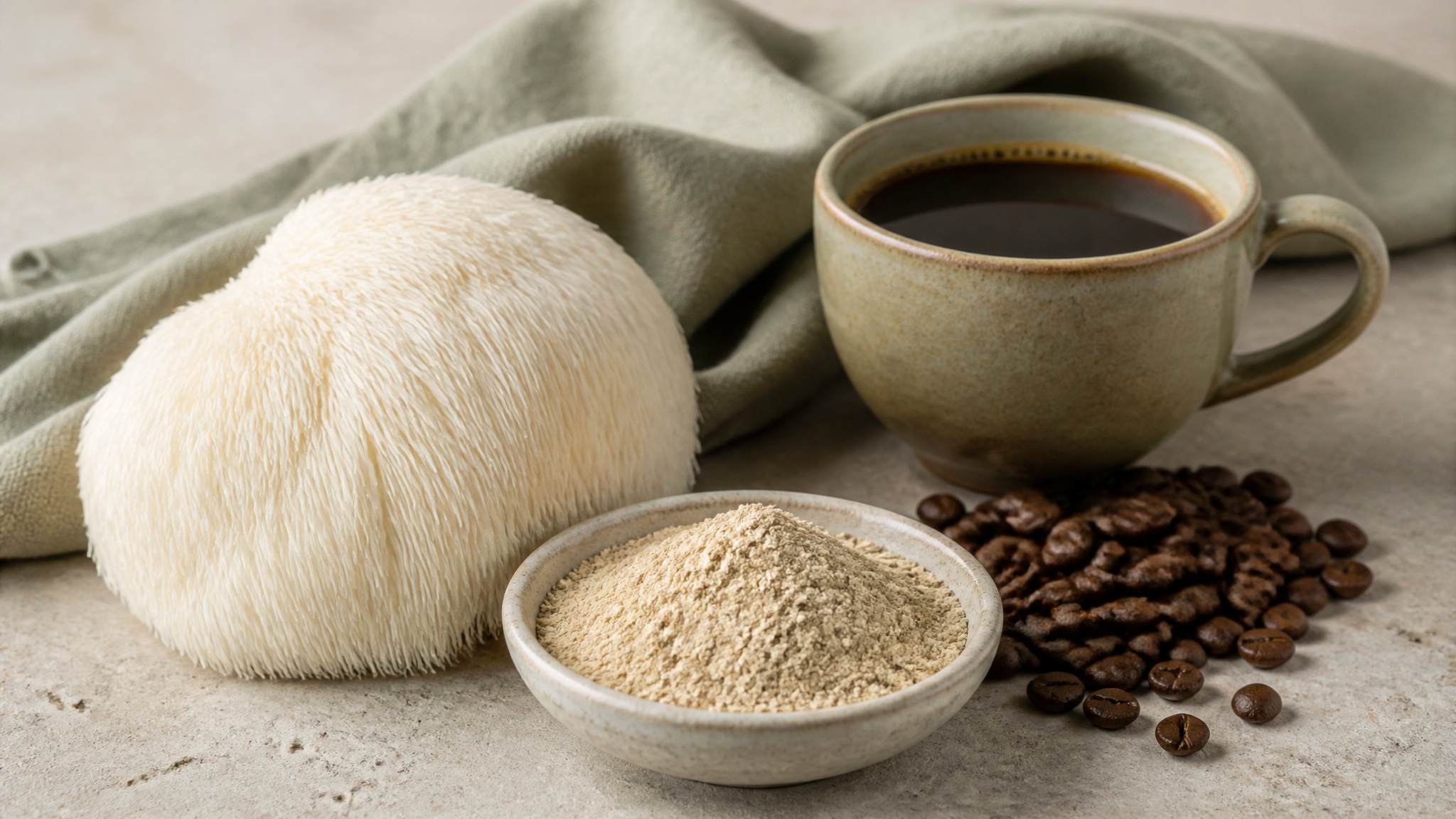
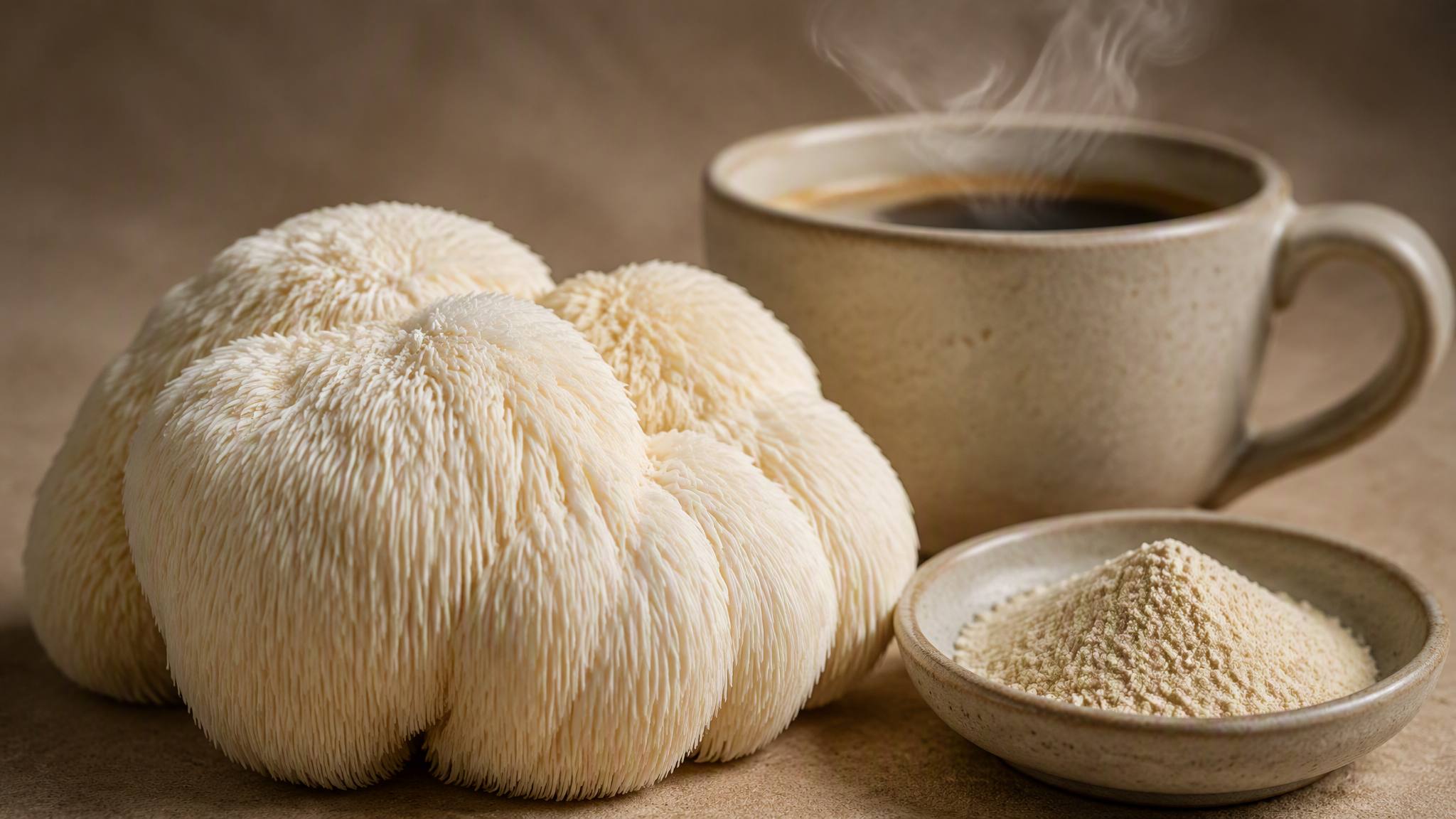
Lion’s Mane mushroom (Hericium erinaceus) is a white, globe-shaped mushroom recognized by its long, hair-like spines that resemble a lion’s mane.
This mushroom has a long history of traditional use in parts of Asia and has attracted increasing scientific interest because of its naturally occurring compounds.
Modern research has focused on Lion’s Mane because it contains several bioactive components, including:
- Hericenones
- Erinacines
- Polysaccharides
- Beta-glucans
These compounds have been investigated in nutritional and biological studies, particularly in areas related to mushroom chemistry and cognitive research.
Today, Lion’s Mane is commonly found in various functional products, including capsules, powders, beverages, and mushroom coffee blends.
Key Compounds Found in Lion’s Mane Mushroom
Hericenones and Erinacines
Hericenones and erinacines are naturally occurring compounds found in Lion’s Mane mushrooms.
Research has examined these compounds because of their relationship with biological pathways involved in nerve-related studies. However, much of the current research is still developing, and more human studies are needed to fully understand their effects.
Polysaccharides and Beta-Glucans
Like many medicinal mushrooms, Lion’s Mane contains polysaccharides and beta-glucans.
These naturally occurring compounds are commonly studied in mushroom nutrition research because they contribute to the unique characteristics of functional mushrooms.
For consumers, these compounds are one reason Lion’s Mane has become a popular ingredient in functional mushroom beverages.
Why Is Lion’s Mane Added to Coffee?
The Rise of Functional Mushroom Coffee
The combination of coffee and mushrooms reflects a broader trend in the functional beverage market.
Modern consumers are increasingly interested in products that combine:
- Familiar daily habits
- Natural ingredients
- Convenient formats
- Functional nutrition concepts
Coffee is already part of many people’s daily routines, making it a practical foundation for adding new ingredients.
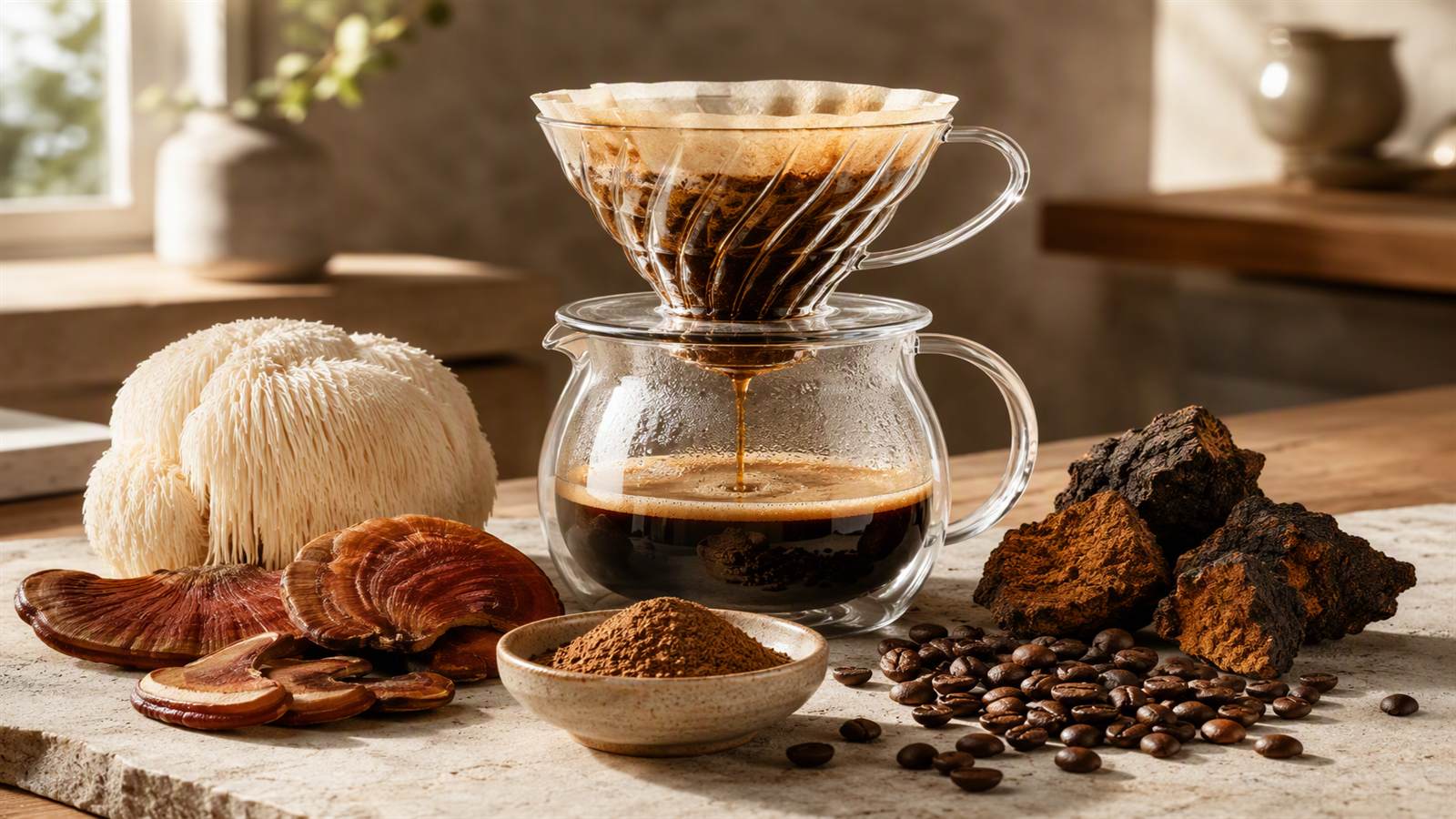
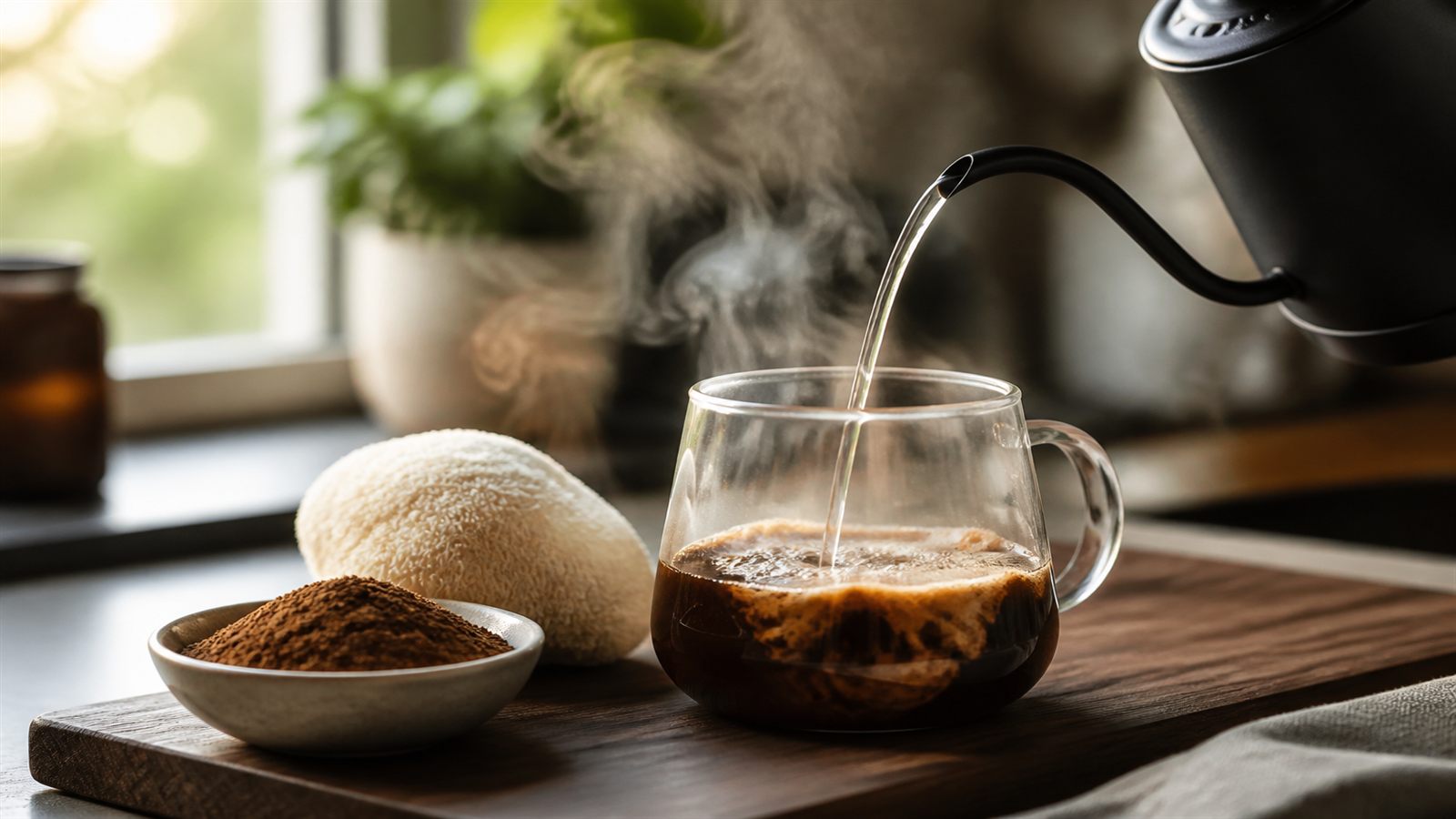
A Lion’s Mane mushroom coffee blend typically combines:
- Coffee powder or roasted coffee
- Lion’s Mane mushroom powder or extract
- Optional supporting ingredients
This creates a beverage category that connects traditional coffee culture with the growing interest in functional mushrooms.
Combining Taste and Function
One challenge in mushroom coffee formulation is balancing flavor and ingredients.
Lion’s Mane is often considered one of the easier mushrooms to combine with coffee because it generally has a mild flavor profile compared with some other mushroom varieties.
A well-designed Lion’s Mane coffee blend aims to maintain:
- Coffee aroma
- Roasted flavor
- Smooth texture
while incorporating mushroom-derived ingredients.
The final taste depends on several factors, including mushroom concentration, coffee type, extraction method, and additional ingredients.
Potential Benefits of Lion’s Mane Mushroom Coffee

It is important to understand that Lion’s Mane mushroom coffee is a functional beverage, not a medical product. Research on Lion’s Mane continues to develop, and many studies focus on mushroom extracts rather than coffee products specifically.
Cognitive Research on Lion’s Mane
Lion’s Mane is one of the most studied functional mushrooms in relation to cognitive research.
A clinical trial published in Phytotherapy Research in 2009 investigated Lion’s Mane supplementation in adults with mild cognitive impairment.
The researchers reported improvements in cognitive test scores during the study period, although the effects were reduced after supplementation stopped. The authors also noted that additional research is needed.
This study contributed to growing scientific interest in Lion’s Mane and its potential role in cognitive-related nutrition research.
Antioxidant and Bioactive Compounds
Lion’s Mane contains naturally occurring compounds that have been studied for their biological properties.
Research has examined:
- Phenolic compounds
- Polysaccharides
- Antioxidant activity
A review published in the Journal of Agricultural and Food Chemistry discussed the chemistry and health-related properties of Lion’s Mane mushroom fruiting bodies and mycelia.
However, laboratory findings do not always directly translate into specific effects in humans, so ongoing research remains important.
A Convenient Functional Beverage Option

One reason consumers choose Lion’s Mane coffee is convenience.
Instead of taking separate supplements, some people prefer incorporating functional ingredients into familiar foods and beverages.
Mushroom coffee formats may include:
- Instant coffee packets
- Powder blends
- Ready-to-mix beverages
This convenience has contributed to the growth of functional mushroom coffee products.
Common Ingredients in Lion’s Mane Mushroom Coffee
Coffee Base
The coffee base plays an important role in the final product experience.
Common options include:
Arabica Coffee
Arabica coffee is known for:
- Smooth flavor
- Aromatic qualities
- Balanced taste
It is commonly used in premium coffee products.
Robusta Coffee
Robusta coffee typically provides:
- Stronger flavor
- Higher caffeine content
- More intense coffee characteristics
Instant Coffee
Many Lion’s Mane coffee products use instant coffee because it offers:
- Easy preparation
- Convenience
- Consistent flavor
The coffee base influences the aroma, bitterness, and overall drinking experience.
Lion’s Mane Mushroom Powder vs Extract
Lion’s Mane Mushroom Powder
Mushroom powder is created by drying and grinding mushroom material.

Characteristics include:
- Whole mushroom ingredient
- Natural mushroom profile
- Simple processing
Some consumers prefer mushroom powders because they represent a more direct form of the ingredient.
Lion’s Mane Mushroom Extract
Lion’s Mane extract is produced through extraction processes designed to concentrate specific mushroom compounds.
When comparing Lion’s Mane extract products, consumers may consider:
- Extraction method
- Mushroom source
- Ingredient transparency
- Serving information
Clear labeling helps consumers better understand product formulation.
Additional Functional Ingredients in Mushroom Coffee Blends
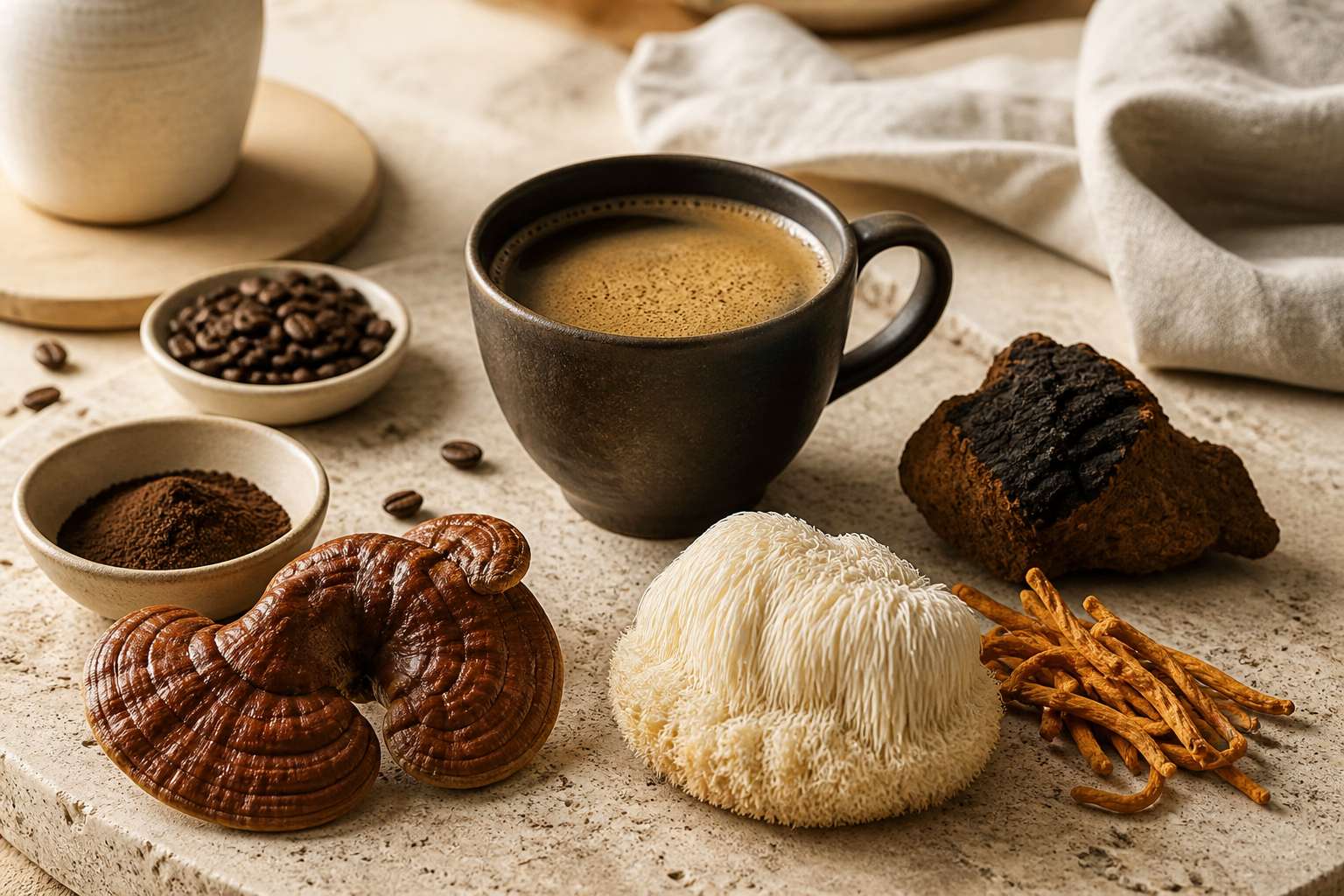
Many Lion’s Mane mushroom coffee products are combined with other ingredients.
Common additions include:
- Chaga mushroom
- Reishi mushroom
- Cordyceps mushroom
- Turkey Tail mushroom
- MCT powder
- Cocoa
- Cinnamon
These combinations create different flavor profiles and ingredient combinations.
Multi-mushroom coffee blends are becoming increasingly common as consumers explore broader functional beverage options.
Lion’s Mane Coffee Market Trends
Growth of the Functional Beverage Market

The functional beverage market has expanded as consumers look for products that align with wellness-focused lifestyles.
Several trends are influencing this growth:
- Interest in plant-based ingredients
- Demand for clean label products
- Growth of convenient nutrition formats
- Increased awareness of functional mushrooms
Mushroom coffee fits into this trend by combining a familiar beverage with emerging functional ingredients.
Why Lion’s Mane Coffee Is Becoming Popular
Several factors contribute to the popularity of Lion’s Mane coffee:
Growing Interest in Functional Mushrooms
Consumers are becoming more familiar with mushrooms beyond traditional culinary uses.
Innovation in Coffee Products
Coffee brands are introducing new formats, flavors, and ingredient combinations.
Convenience
Lion’s Mane coffee allows consumers to include mushroom ingredients in an everyday beverage routine.
Lion’s Mane Coffee vs Other Mushroom Coffee Types
| Mushroom | Common Characteristics |
|---|---|
| Lion’s Mane | Cognitive research interest and mild flavor |
| Chaga | Antioxidant-related research and earthy notes |
| Reishi | Traditional use and deeper flavor profile |
| Cordyceps | Often used in active lifestyle products |
| Turkey Tail | Beta-glucan and polysaccharide research |
Each mushroom has unique characteristics, and consumer preferences often depend on flavor, ingredients, and personal goals.
How to Choose Quality Lion’s Mane Mushroom Coffee
Check Mushroom Source

Consumers can review:
- Scientific name (Hericium erinaceus)
- Mushroom type
- Fruiting body or mycelium information
- Extraction details
Ingredient transparency helps consumers better evaluate products.
Review Ingredient Lists
A clear label should provide information about:
- Coffee ingredients
- Mushroom ingredients
- Additional components
- Serving size
Simple and transparent formulations make product comparisons easier.
Consider Taste Preferences
Some consumers prefer a traditional coffee taste, while others enjoy more noticeable mushroom characteristics.
Trying different formulations can help identify the preferred balance between coffee flavor and mushroom ingredients.
Frequently Asked Questions
What is Lion’s Mane mushroom coffee?
Lion’s Mane mushroom coffee is a beverage that combines coffee with Lion’s Mane mushroom powder or extract.
Does Lion’s Mane coffee contain caffeine?
Most Lion’s Mane coffee products contain caffeine if they use traditional coffee as the base. The caffeine level depends on the coffee ingredients used.
Does Lion’s Mane coffee taste like mushrooms?
Most products maintain a coffee-forward flavor. Some may have mild earthy or nutty notes depending on the formulation.
Is Lion’s Mane coffee different from regular coffee?
Yes. Lion’s Mane coffee contains additional mushroom ingredients, creating a different formulation compared with traditional coffee.
Scientific References
- Mori K, Inatomi S, Ouchi K, Azumi Y, Tuchida T.
Improving effects of the mushroom Yamabushitake (Hericium erinaceus) on mild cognitive impairment: A double-blind placebo-controlled clinical trial.
Phytotherapy Research. 2009. - Friedman M.
Chemistry, Nutrition, and Health-Promoting Properties of Hericium erinaceus Mushroom Fruiting Bodies and Mycelia and Their Bioactive Compounds.
Journal of Agricultural and Food Chemistry. 2015. - Wasser SP.
Medicinal mushroom science: Current perspectives and future directions.
Conclusion
Lion’s Mane mushroom coffee represents the combination of traditional coffee culture with the growing interest in functional mushroom ingredients.
By understanding Lion’s Mane research, ingredient options, coffee formulations, and market trends, consumers can better evaluate different products and choose blends that match their preferences.
As functional beverages continue to evolve, Lion’s Mane coffee remains one of the most recognized examples of how mushrooms are being incorporated into modern daily nutrition routines.