
Understanding Mushroom Coffee Made in USA
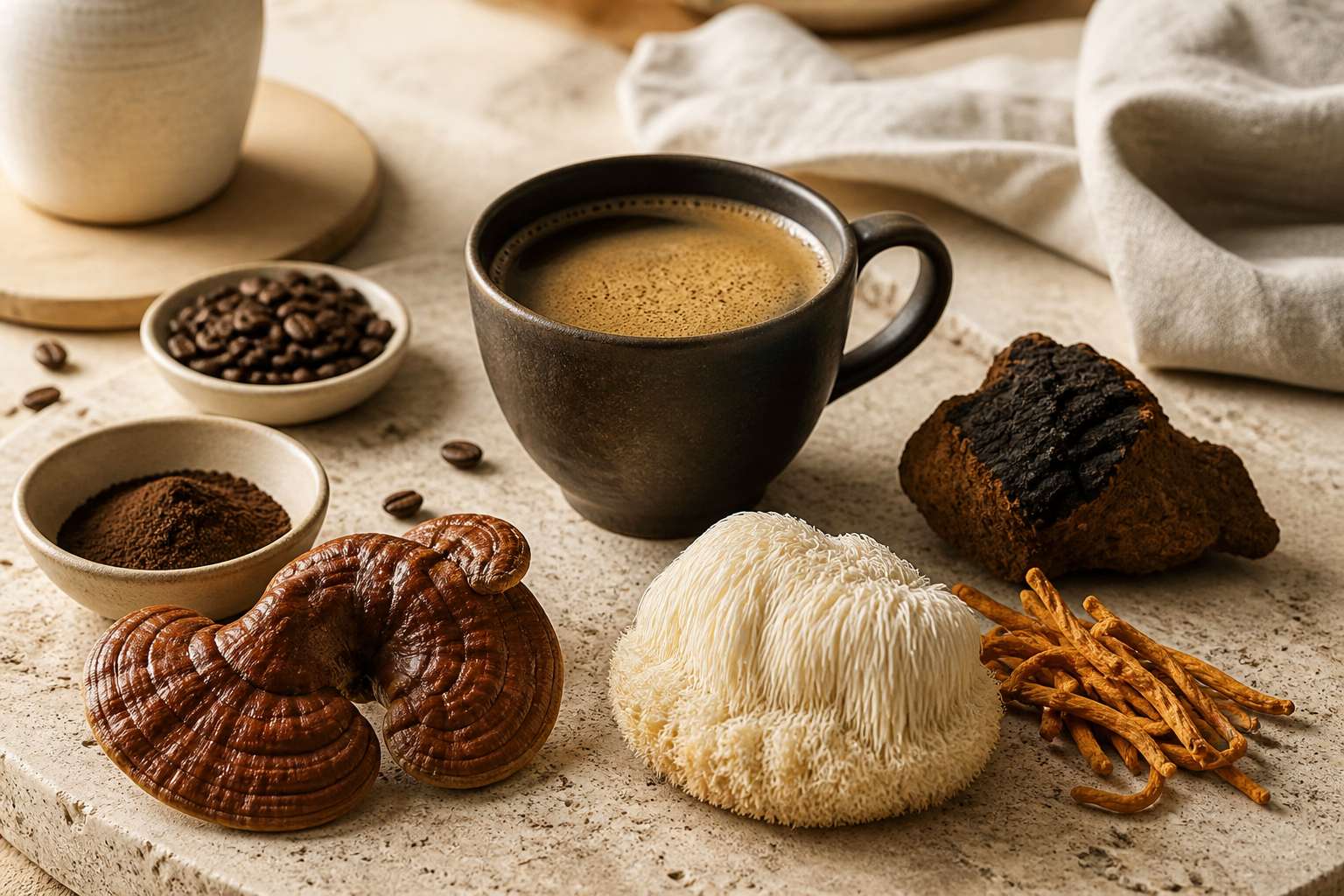
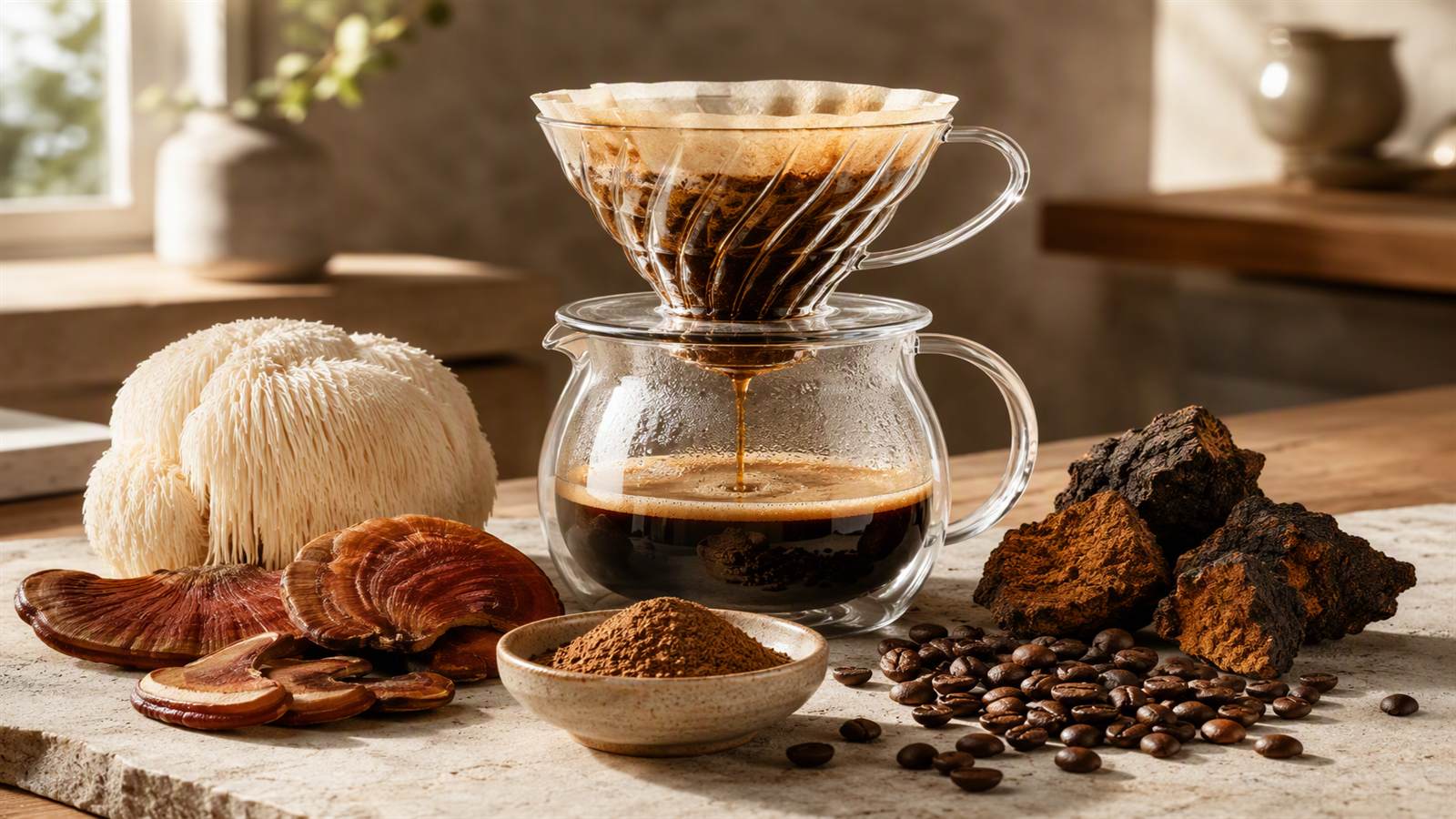
The functional beverage market has expanded rapidly as consumers look for new ways to combine familiar daily habits with natural ingredients. Among these emerging products, mushroom coffee made in USA has become an increasingly discussed category, combining traditional coffee with functional mushroom ingredients such as Lion’s Mane, Chaga, Reishi, and Cordyceps.
For many consumers, the phrase “made in USA” represents more than a manufacturing location. It often relates to questions about ingredient transparency, production standards, quality control, and supply chain reliability.
However, not every mushroom coffee product available in the American market is produced entirely within the United States. Some brands manufacture locally, while others source mushroom extracts or coffee ingredients internationally before final formulation or packaging.
Understanding how mushroom coffee is produced, what ingredients are commonly used, and what alternatives exist can help consumers make more informed decisions when exploring functional coffee products.
What Is Mushroom Coffee?
Understanding Functional Mushroom Coffee
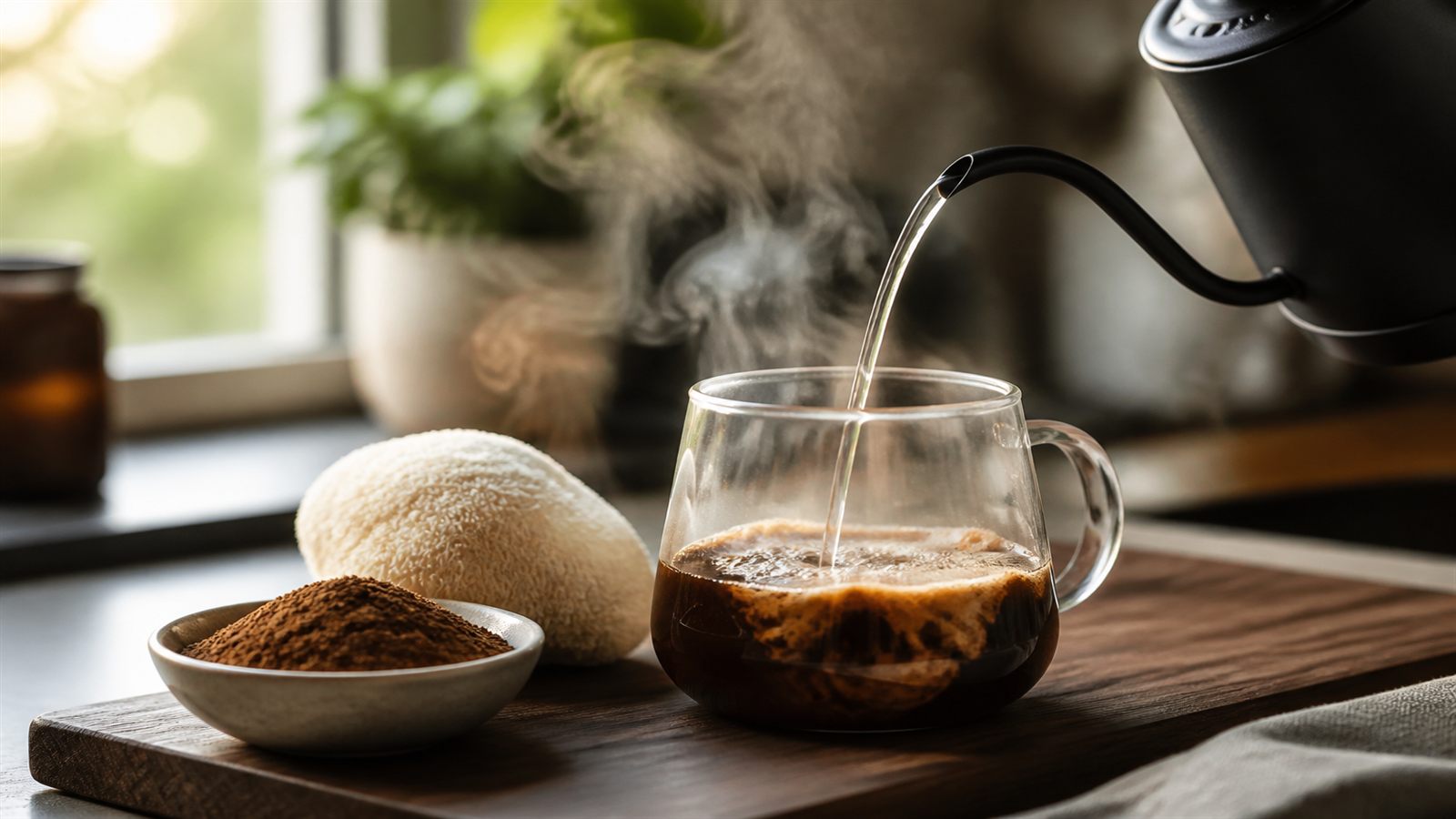
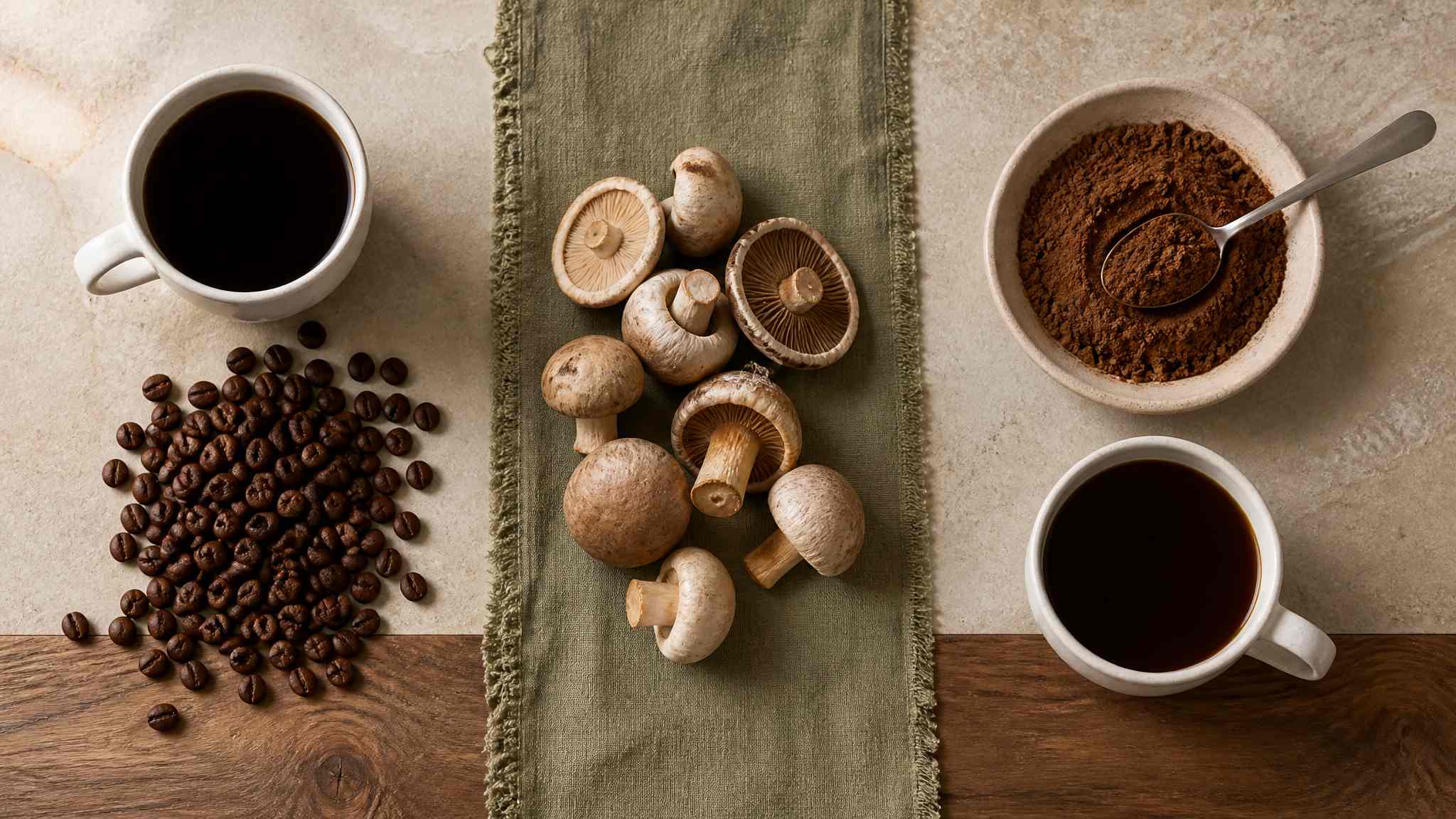
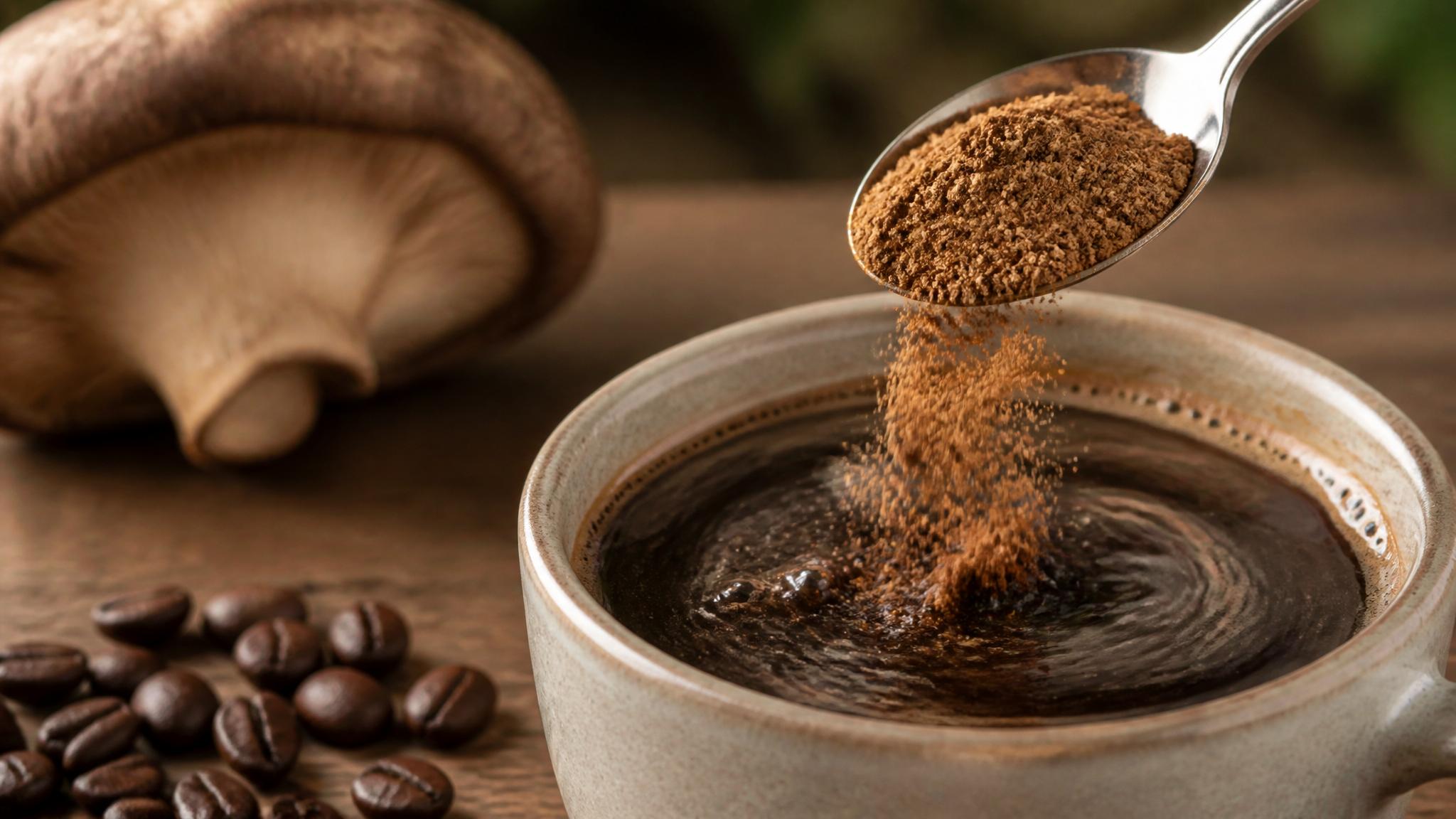
Mushroom coffee is a beverage that combines coffee with mushroom-based ingredients, usually in the form of mushroom powder or mushroom extract.
Unlike traditional coffee, mushroom coffee belongs to the broader category of functional beverages, which are products designed around additional ingredients beyond basic nutrition.
Common functional mushrooms used in coffee products include:
- Lion’s Mane (Hericium erinaceus)
- Chaga (Inonotus obliquus)
- Reishi (Ganoderma lucidum)
- Cordyceps (Cordyceps militaris)
- Turkey Tail (Trametes versicolor)
These mushrooms are generally selected because they contain naturally occurring compounds such as polysaccharides, beta-glucans, and other bioactive components that have been studied in nutritional research.
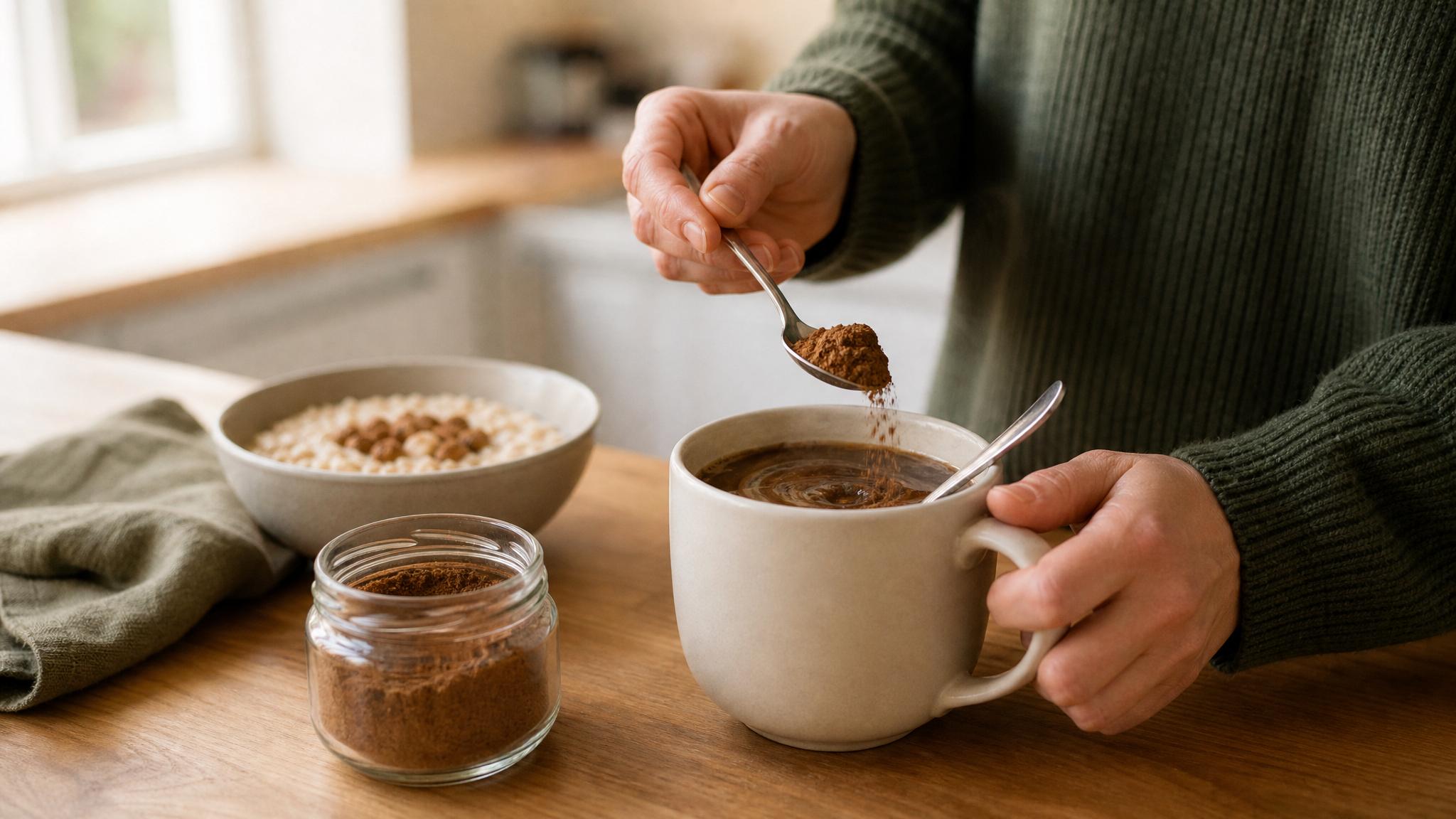
Mushroom coffee products may come in different formats, including:
- Instant coffee powders
- Single-serving sachets
- Ground coffee blends
- Ready-to-drink beverages
Why Is Mushroom Coffee Popular in the USA?
Growth of Functional Beverage Trends
The United States has become one of the largest markets for functional beverages, driven by increasing consumer interest in wellness-focused products.
Several trends have contributed to the popularity of mushroom coffee:
Interest in Natural Ingredients
Many consumers are paying closer attention to ingredient labels and looking for products made with recognizable components.
Convenient Wellness Formats
Instead of adding multiple supplements to a daily routine, some consumers prefer functional ingredients incorporated into familiar products such as coffee.
Growing Awareness of Functional Mushrooms
Mushrooms are increasingly recognized beyond their culinary applications. Products featuring medicinal mushrooms have expanded into categories such as:
- Coffee
- Tea
- Powder supplements
- Gummies
- Protein products
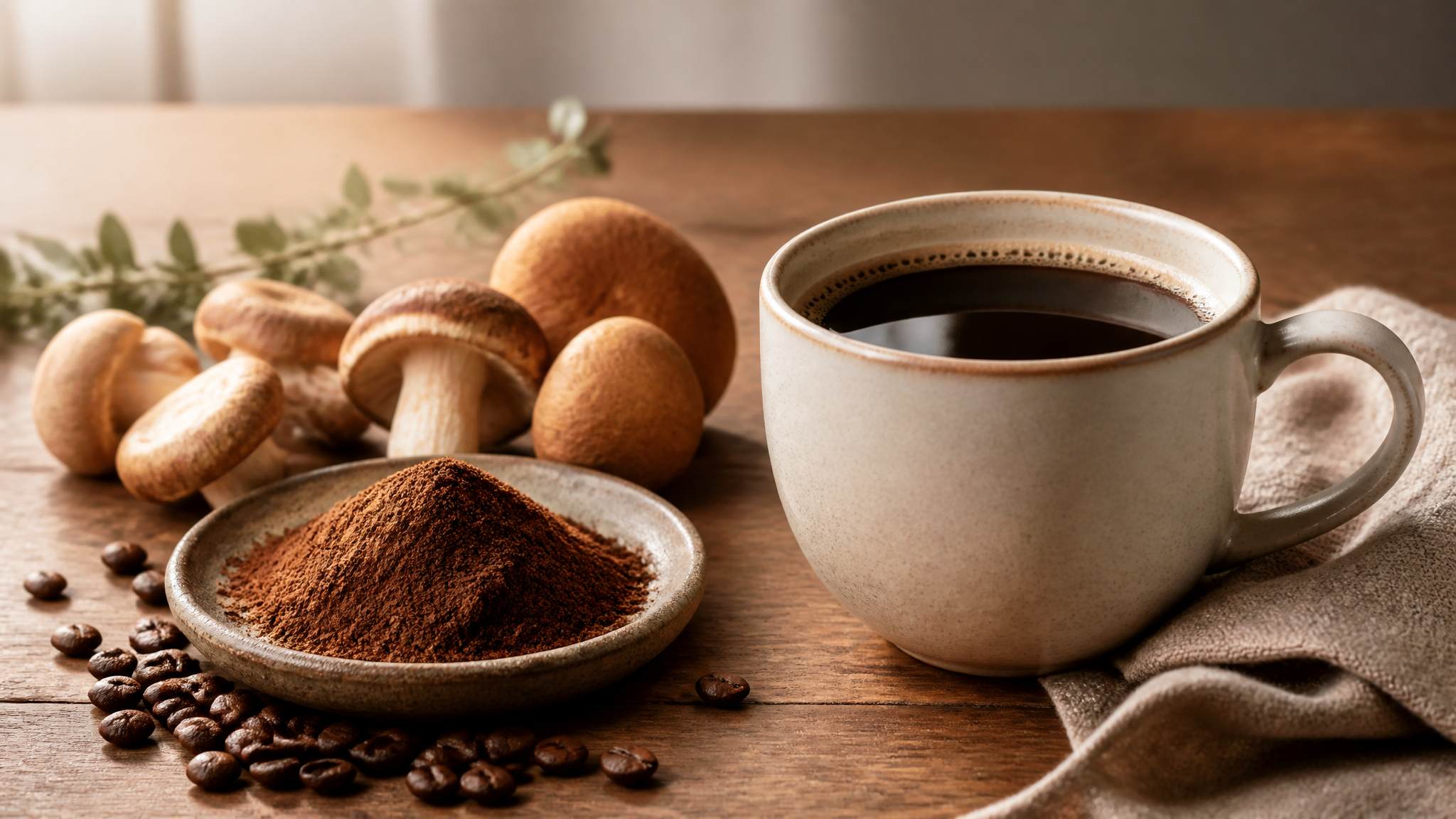
How Is Mushroom Coffee Manufactured in the USA?
Coffee Ingredient Processing
The manufacturing process begins with selecting the coffee base.
Common coffee ingredients include:
Arabica Coffee
Arabica coffee is often used in premium coffee products because of its smoother flavor and aromatic characteristics.
Robusta Coffee
Robusta coffee generally provides a stronger taste and higher caffeine content.
Instant Coffee
Many mushroom coffee products use instant coffee because it offers:
- Easy preparation
- Consistent quality
- Longer shelf stability
The coffee may be roasted, processed, and prepared before being combined with mushroom ingredients.
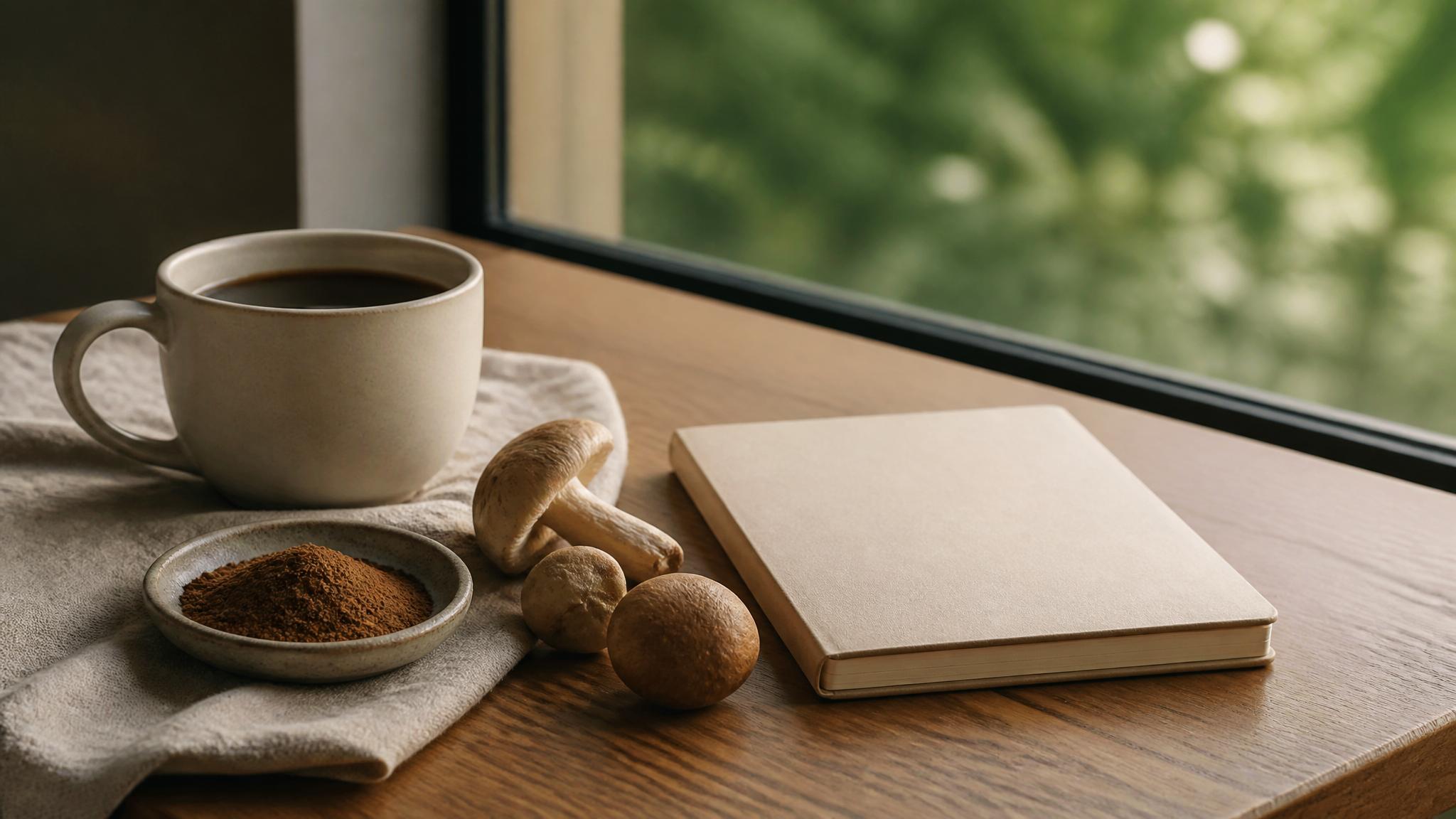
Mushroom Ingredient Processing
Mushroom Cultivation and Sourcing
The mushroom component can come from different sources depending on the manufacturer.
Production may involve:
- Mushroom cultivation
- Drying process
- Grinding into powder
- Extraction process
- Quality testing
Manufacturers may use either mushroom powder or mushroom extract depending on the desired formulation.
Mushroom Powder vs Mushroom Extract
Mushroom Powder
Mushroom powder is made by drying and grinding mushroom material.
Characteristics include:
- Whole mushroom ingredient
- Natural flavor profile
- Simple processing method
Mushroom Extract
Mushroom extract involves additional processing designed to concentrate certain mushroom compounds.
When evaluating mushroom extract ingredients, consumers may consider:
- Mushroom species
- Extraction method
- Ingredient transparency
- Serving information
Clear labeling allows consumers to better understand the formulation of a mushroom coffee product.
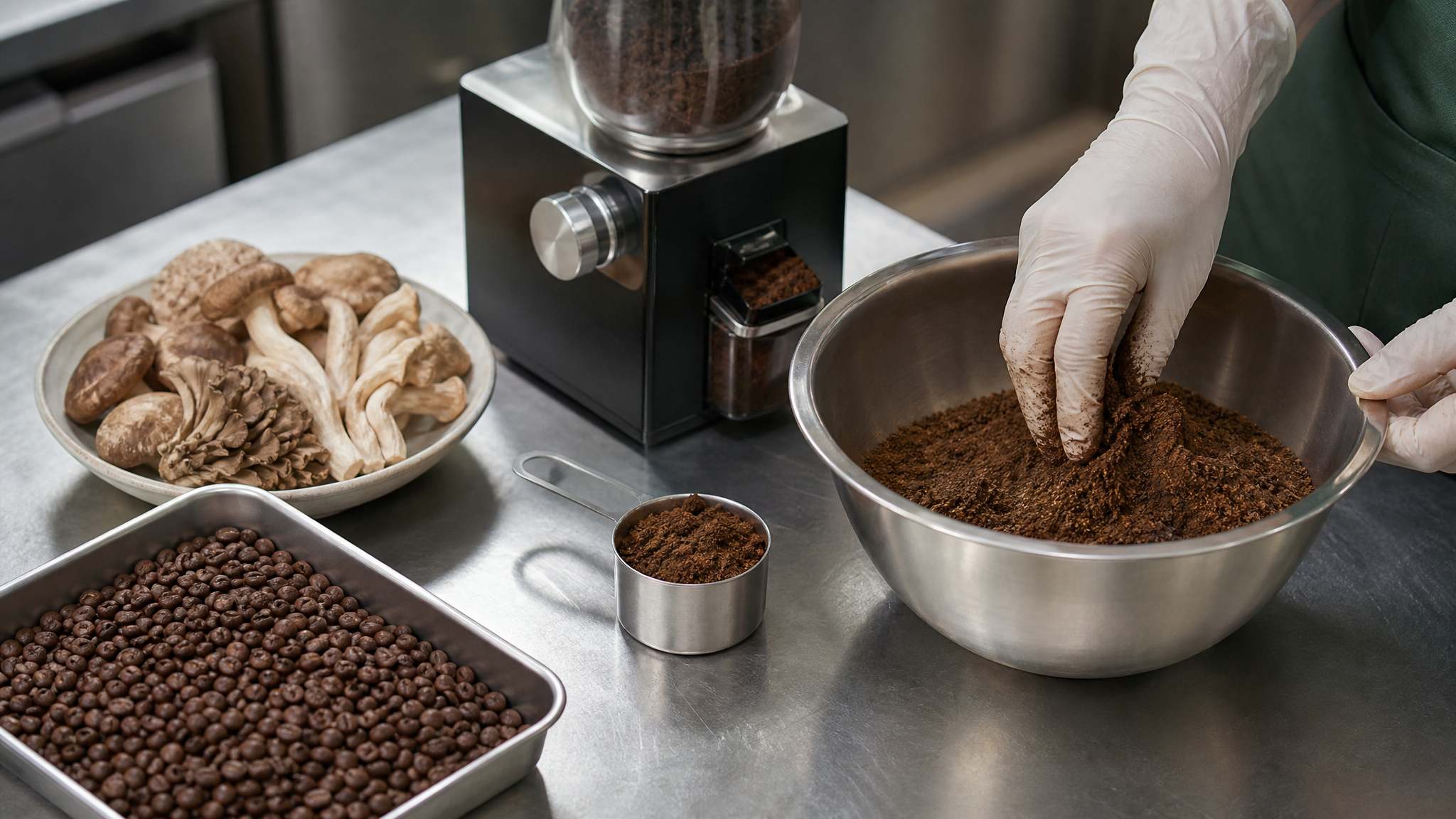
Blending and Packaging Process
After coffee and mushroom ingredients are prepared, manufacturers typically move through several steps:
Formula Mixing
Coffee ingredients and mushroom components are combined according to the product formulation.
Some products contain only one mushroom ingredient, while others use multi-mushroom blends.
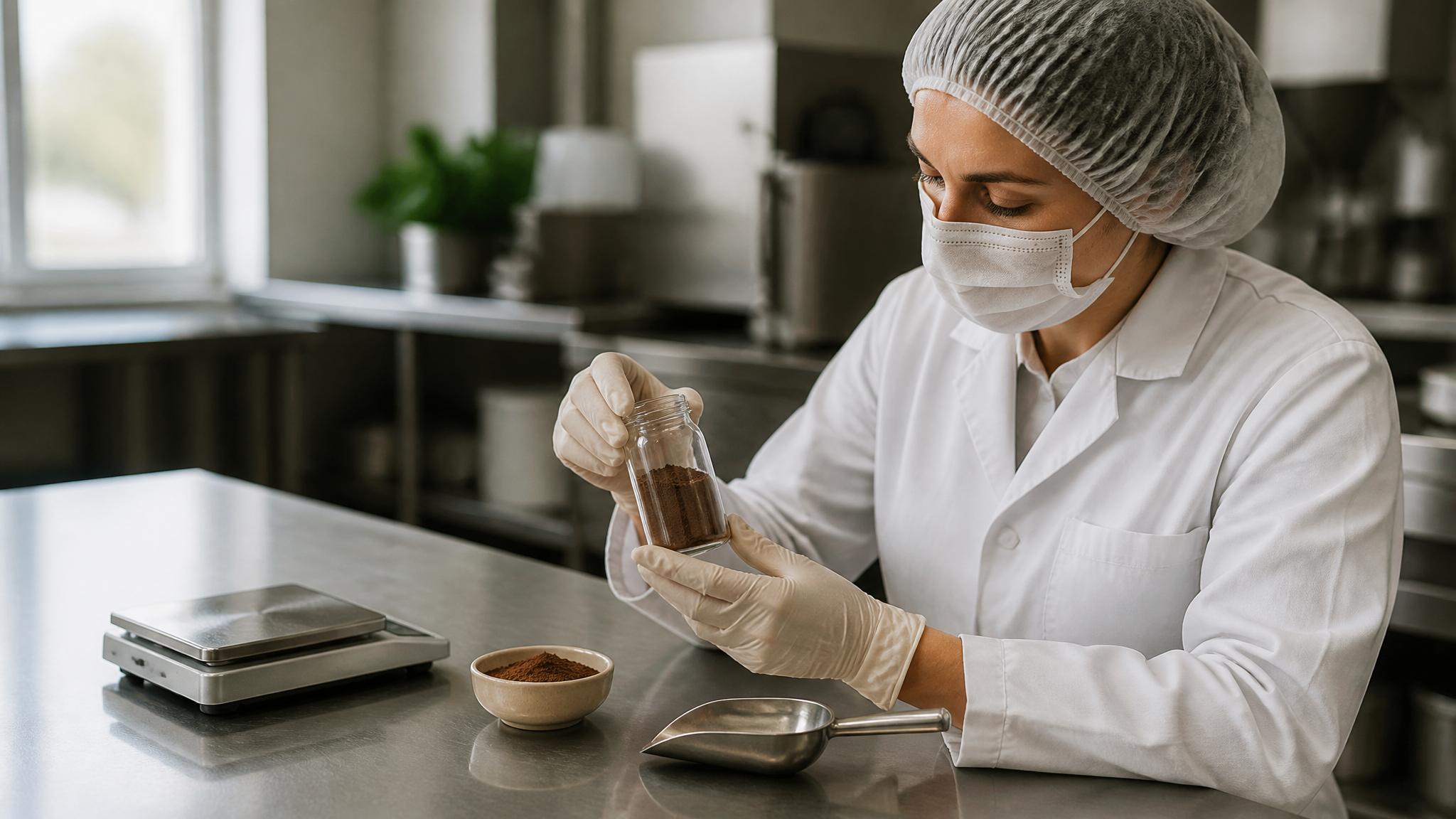
Quality Control Testing
Manufacturers may evaluate:
- Ingredient quality
- Product consistency
- Microbial safety
- Packaging standards
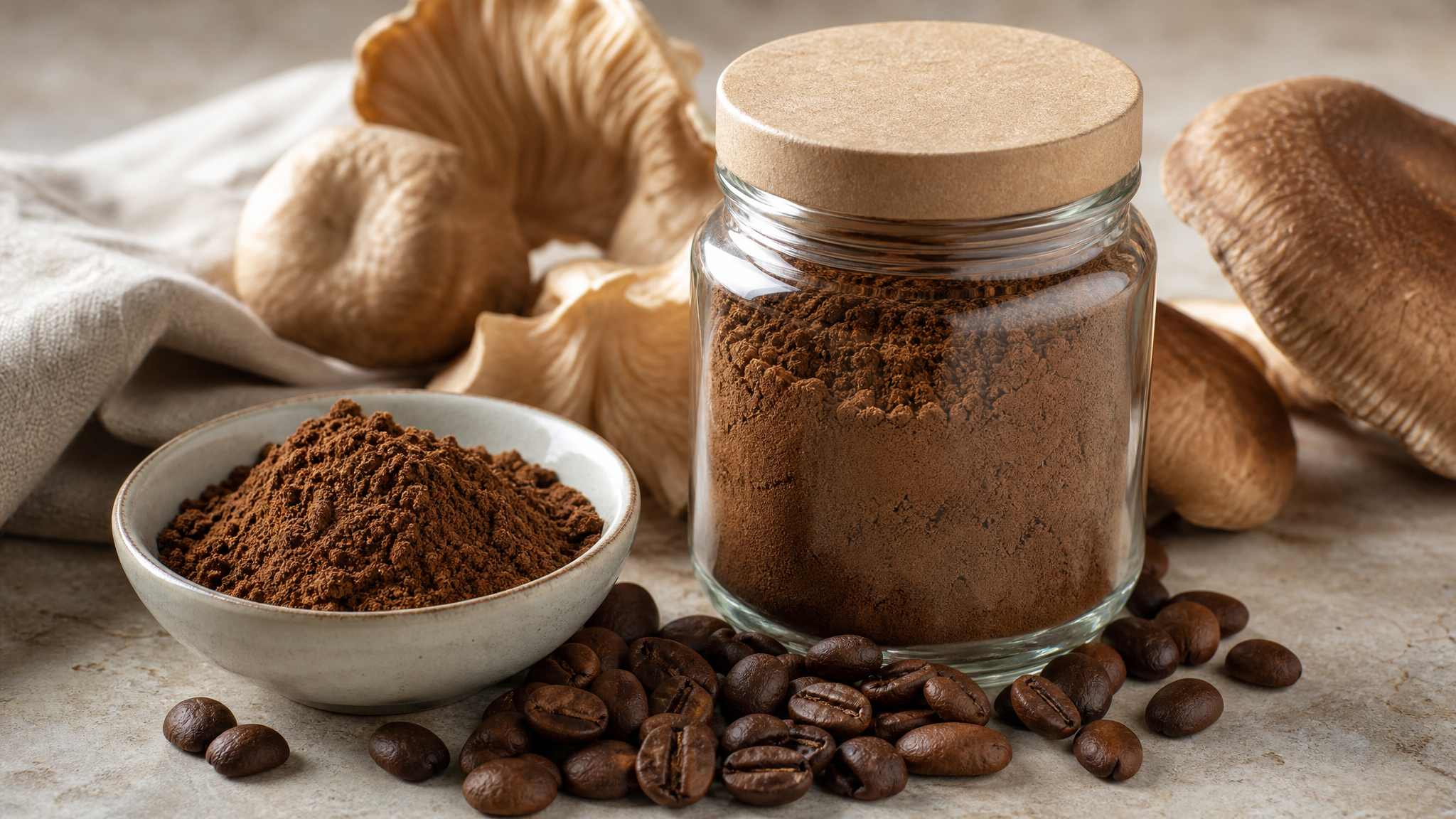
Packaging
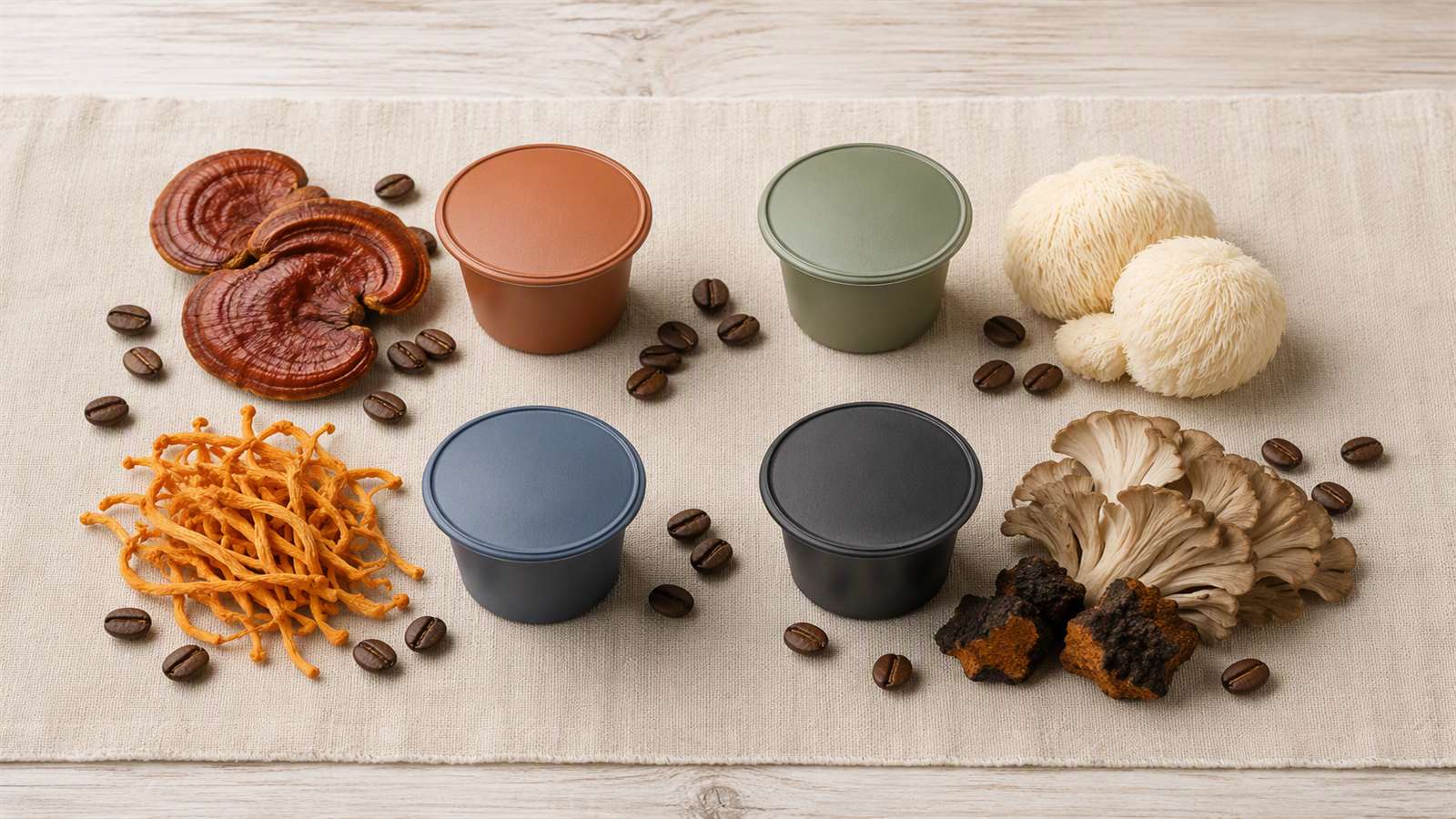
Final products may be packaged as:
- Sachets
- Jars
- Bags
- Capsules or other formats
Packaging is also important for maintaining freshness and providing ingredient information to consumers.
Manufacturing Standards for USA Mushroom Coffee
Consumers researching mushroom coffee made in USA often consider manufacturing standards.
Common quality considerations include:
GMP Manufacturing
Good Manufacturing Practices (GMP) provide guidelines for producing food and supplement products consistently and safely.
Food Safety Standards
Manufacturers may follow food safety systems designed to reduce contamination risks and maintain product quality.
Ingredient Transparency
A transparent product label may include:
- Mushroom species
- Coffee ingredients
- Serving size
- Additional ingredients
Clear information helps consumers compare different products.
Popular Mushroom Coffee Brands in the USA
Understanding Brand Categories
The USA mushroom coffee market includes different types of brands rather than a single product category.
Premium Mushroom Coffee Brands
Premium brands often focus on:
- Specialty coffee quality
- Higher-end ingredients
- Unique formulations
These products may appeal to consumers looking for a coffee experience similar to specialty coffee.
Functional Wellness Brands
Some brands focus more heavily on mushroom ingredients and functional positioning.
Their products may include:
- Multiple mushroom blends
- Mushroom extracts
- Additional botanical ingredients
Organic Mushroom Coffee Brands
Organic mushroom coffee products often emphasize:
- Organic-certified ingredients
- Clean label positioning
- Simple formulations
Consumers interested in organic products should check certification details because ingredient sourcing and certification standards can vary.
Common Ingredients in USA Mushroom Coffee Products
Coffee Ingredients
The coffee component may include:
- Arabica coffee
- Robusta coffee
- Instant coffee powder
Coffee choice affects:
- Taste
- Aroma
- Caffeine level
Functional Mushroom Ingredients
Common mushroom ingredients include:
Lion’s Mane
Often included in mushroom coffee blends because of its popularity in cognitive-related research.
Chaga
Known for research interest related to antioxidant compounds.
Reishi
Traditionally used mushroom with a distinctive flavor profile.
Cordyceps
Frequently included in products designed around active lifestyles.
USA Mushroom Coffee vs International Manufacturing Alternatives
Made in USA Products
USA-made mushroom coffee products may appeal to consumers who value domestic production.
Potential advantages include:
- Local manufacturing
- Shorter distribution channels
- Easier understanding of production location
However, manufacturing location alone does not determine product quality. Ingredient sourcing, formulation, and quality control are also important factors.
International Manufacturing Alternatives
Many global mushroom coffee products use international supply chains.
This may include:
- Imported mushroom extracts
- International coffee sourcing
- Overseas manufacturing facilities
Potential advantages include:
- Broader ingredient availability
- Manufacturing specialization
- Cost efficiency
The final product quality depends on manufacturing practices rather than location alone.
Private Label Mushroom Coffee Alternatives
Beyond consumer brands, the mushroom coffee market also includes private label and custom manufacturing options.
Businesses interested in creating mushroom coffee products may work with manufacturers that provide:
- Custom formulations
- Packaging options
- Flavor development
- Production support
This model allows companies to develop mushroom coffee products without building their own manufacturing facilities.
How to Choose Quality Mushroom Coffee Products
Check Ingredient Transparency
Consumers can review:
- Mushroom species
- Extract or powder format
- Coffee source
- Additional ingredients
Review Manufacturing Information
Important details may include:
- Production location
- Quality standards
- Testing information
Consider Taste Preferences
Mushroom coffee flavors vary depending on formulation.
Some products have:
- Strong coffee flavors
- Mild earthy notes
- More noticeable mushroom characteristics
Trying different blends can help consumers identify their preferred style.
Mushroom Coffee Made in USA vs Imported Mushroom Coffee
| Factor | USA Made Mushroom Coffee | International Manufacturing |
|---|---|---|
| Production location | United States | Global facilities |
| Supply chain | Often more localized | International sourcing |
| Cost | Usually higher | Often more flexible |
| Product variety | Depends on manufacturer | Broad range of options |
Both approaches can produce quality products when supported by proper sourcing and manufacturing practices.
Frequently Asked Questions
Is mushroom coffee made in the USA?
Some mushroom coffee brands manufacture their products in the USA, while others use international sourcing or production. Consumers should check product labels for manufacturing details.
Are all mushroom coffee brands manufactured in America?
No. The mushroom coffee market includes both USA-made products and internationally produced alternatives.
What mushrooms are commonly used in USA mushroom coffee?
Common functional mushrooms include Lion’s Mane, Chaga, Reishi, Cordyceps, and Turkey Tail.
Can mushroom coffee be produced through private label manufacturing?
Yes. Many manufacturers provide private label mushroom coffee services, including custom formulas and packaging solutions.
Scientific References
- Friedman M.
Chemistry, Nutrition, and Health-Promoting Properties of Hericium erinaceus Mushroom Fruiting Bodies and Mycelia and Their Bioactive Compounds.
Journal of Agricultural and Food Chemistry. - Wasser SP.
Medicinal mushroom science: Current perspectives and future directions. - Cui J, Chisti Y.
Polysaccharopeptides of Coriolus versicolor: Physiological activity, uses, and production.
Biotechnology Advances. 2003.
Conclusion
Mushroom coffee made in USA represents the combination of traditional coffee culture with the growing interest in functional mushroom ingredients.
Understanding how mushroom coffee is manufactured, what ingredients are commonly used, and how USA-made products compare with international alternatives can help consumers evaluate different options more effectively.
As the functional beverage market continues to expand, ingredient transparency, manufacturing standards, and product formulation remain important factors when choosing a mushroom coffee product.