
Matcha vs Mushroom Coffee: Benefits & Differences
Matcha and mushroom coffee have both become popular choices among consumers looking beyond traditional coffee and tea. Although they are sometimes grouped together as functional beverages, they are quite different in terms of ingredients, caffeine sources, flavor, preparation,and available research.
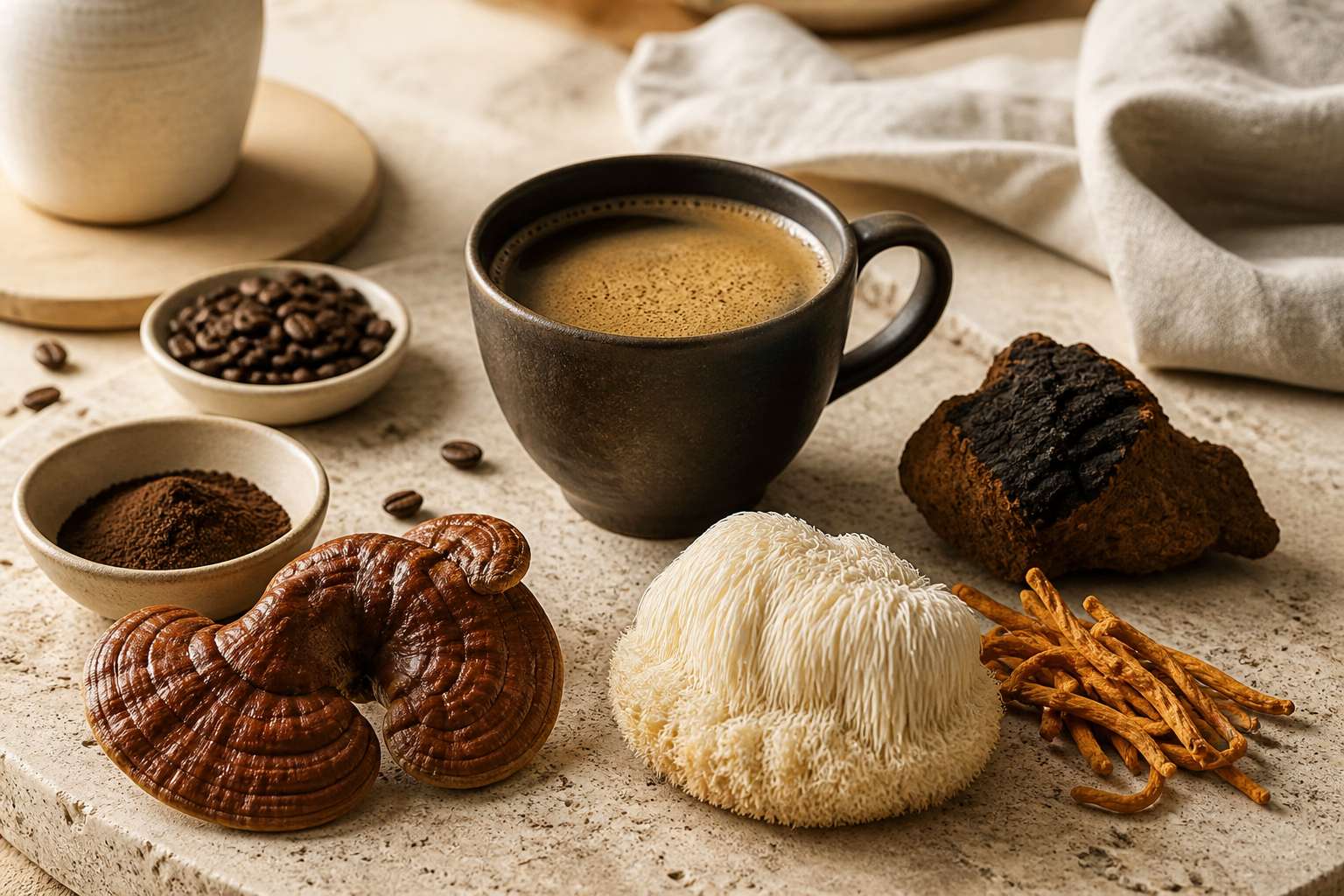
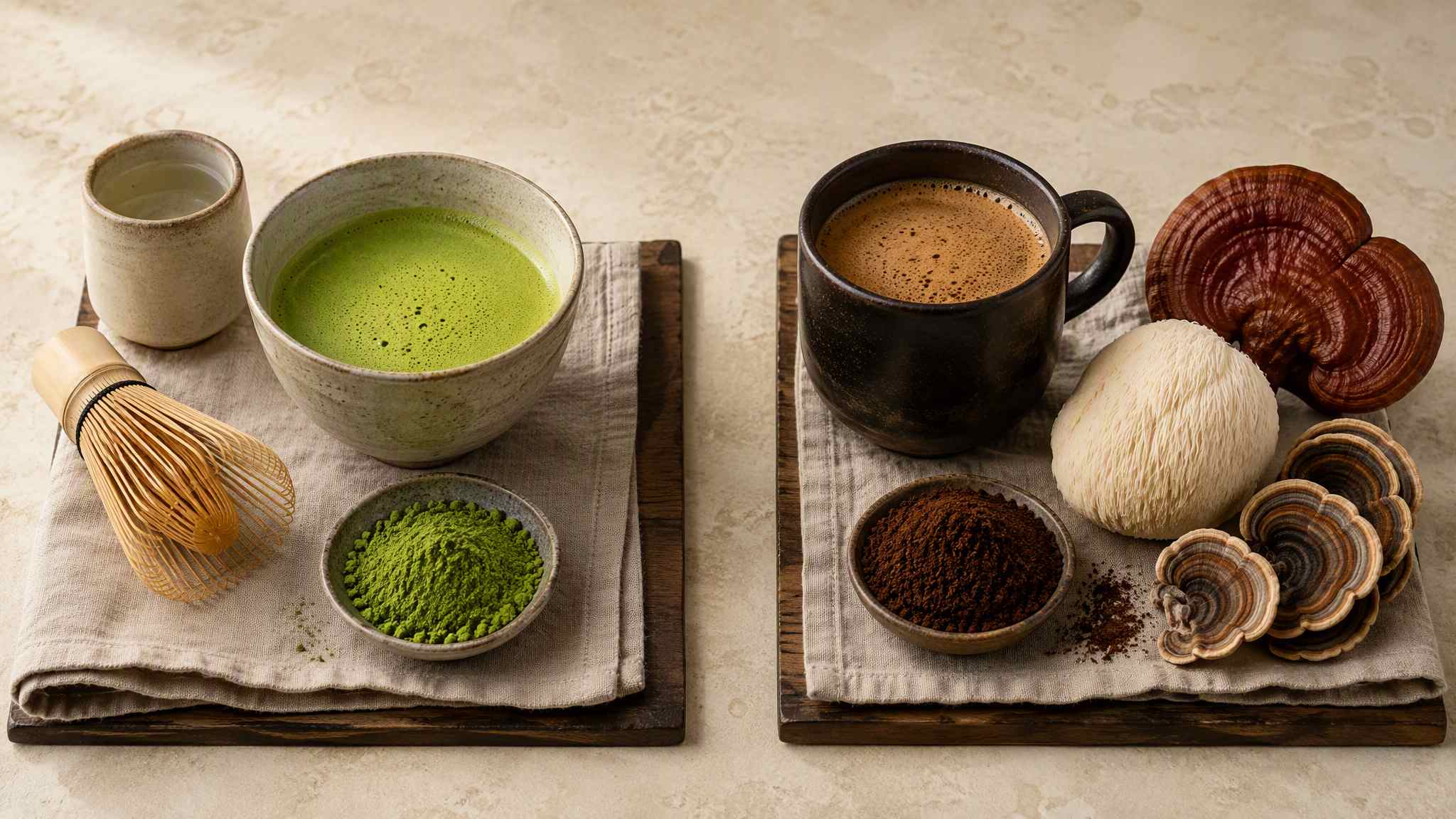
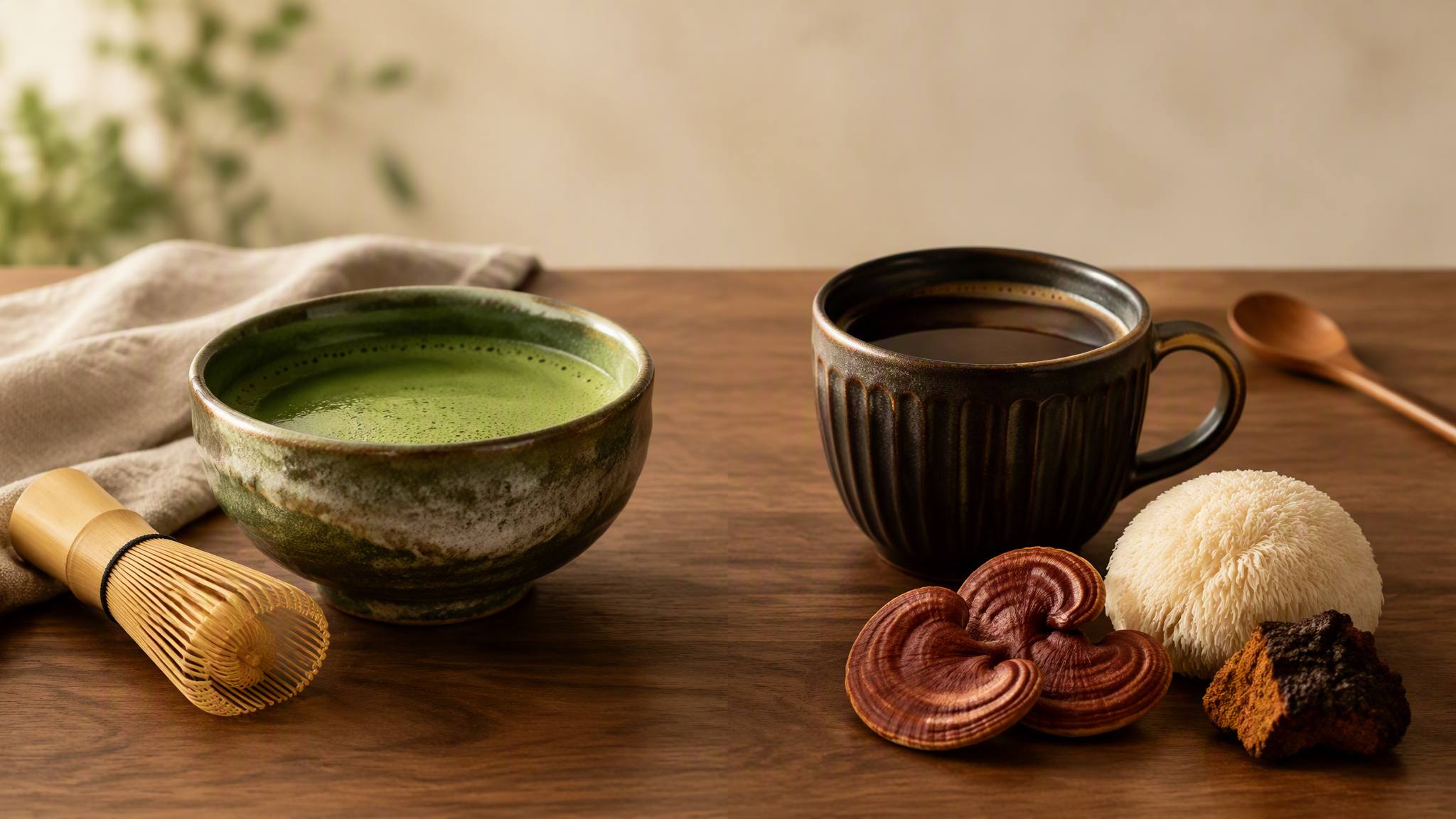
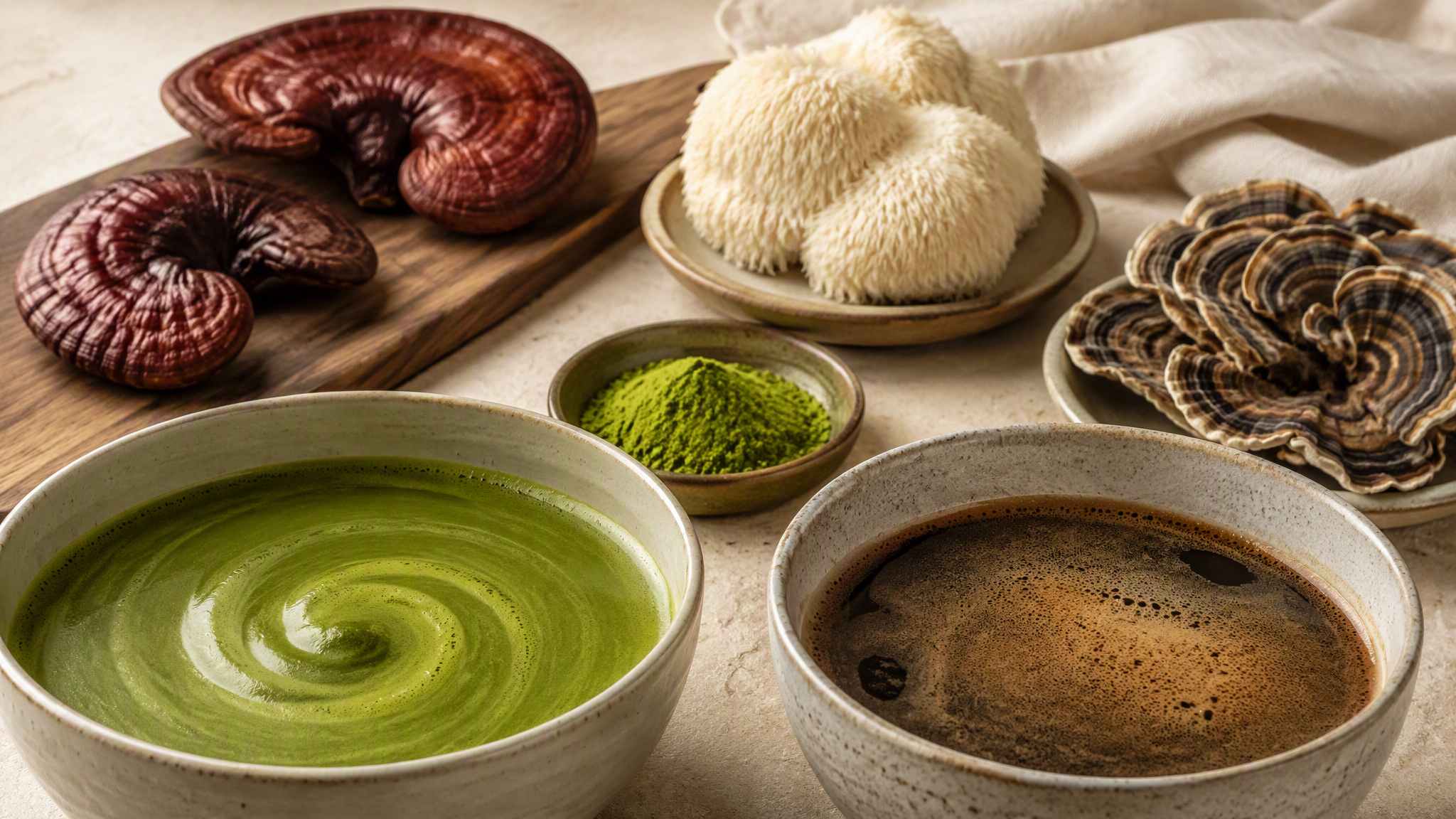
Matcha is a finely ground powder made from specially cultivated green tea leaves. It naturally contains caffeine, L-theanine, catechins, and other plant compounds. Mushroom coffee, on the other hand, combines coffee with mushroom powder or extracts, commonly using Lion’s Mane, Reishi, Chaga, or Cordyceps.
So, when comparing matcha vs mushroom coffee, there is no single option that is best for everyone. The better choice depends on individual taste, caffeine preferences, preparation habits, and interest in specific ingredients. Understanding the differences can make it easier to decide which beverage fits a particular daily routine.
What Is Matcha?
Matcha is a powdered form of green tea made from the leaves of Camellia sinensis. Unlike traditional green tea, where the leaves are steeped and discarded, matcha powder is mixed directly into water, meaning the entire powdered leaf is consumed.
The production process generally involves shading tea plants before harvest, steaming and drying the leaves, removing stems and veins, and grinding the resulting material into a fine powder.
Key Compounds in Matcha
Matcha naturally contains several compounds that have been studied for their nutritional and physiological properties, including:
- Caffeine
- L-theanine
- Catechins
- Epigallocatechin gallate (EGCG)
- Other polyphenols
Catechins are a group of polyphenolic compounds commonly associated with green tea research. EGCG is one of the most extensively studied catechins found in green tea.
Matcha also contains L-theanine, an amino acid naturally present in tea leaves. Research has examined the combination of L-theanine and caffeine in relation to attention, alertness, and cognitive performance.

What Is Mushroom Coffee?
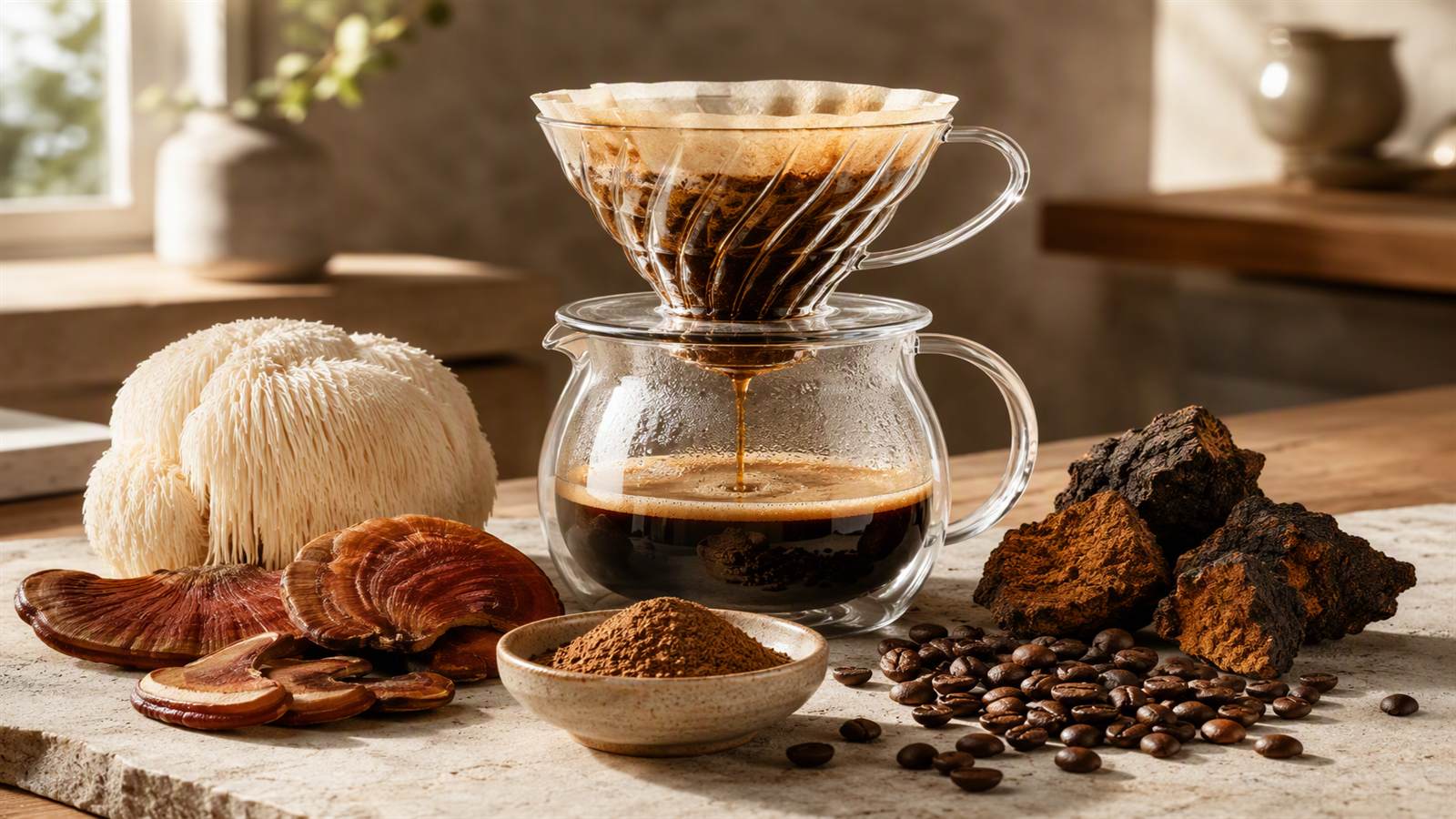
Mushroom coffee is a coffee-based beverage that incorporates mushroom powder or mushroom extracts into a coffee formulation. The coffee provides the familiar roasted flavor and caffeine, while mushrooms contribute additional naturally occurring compounds.
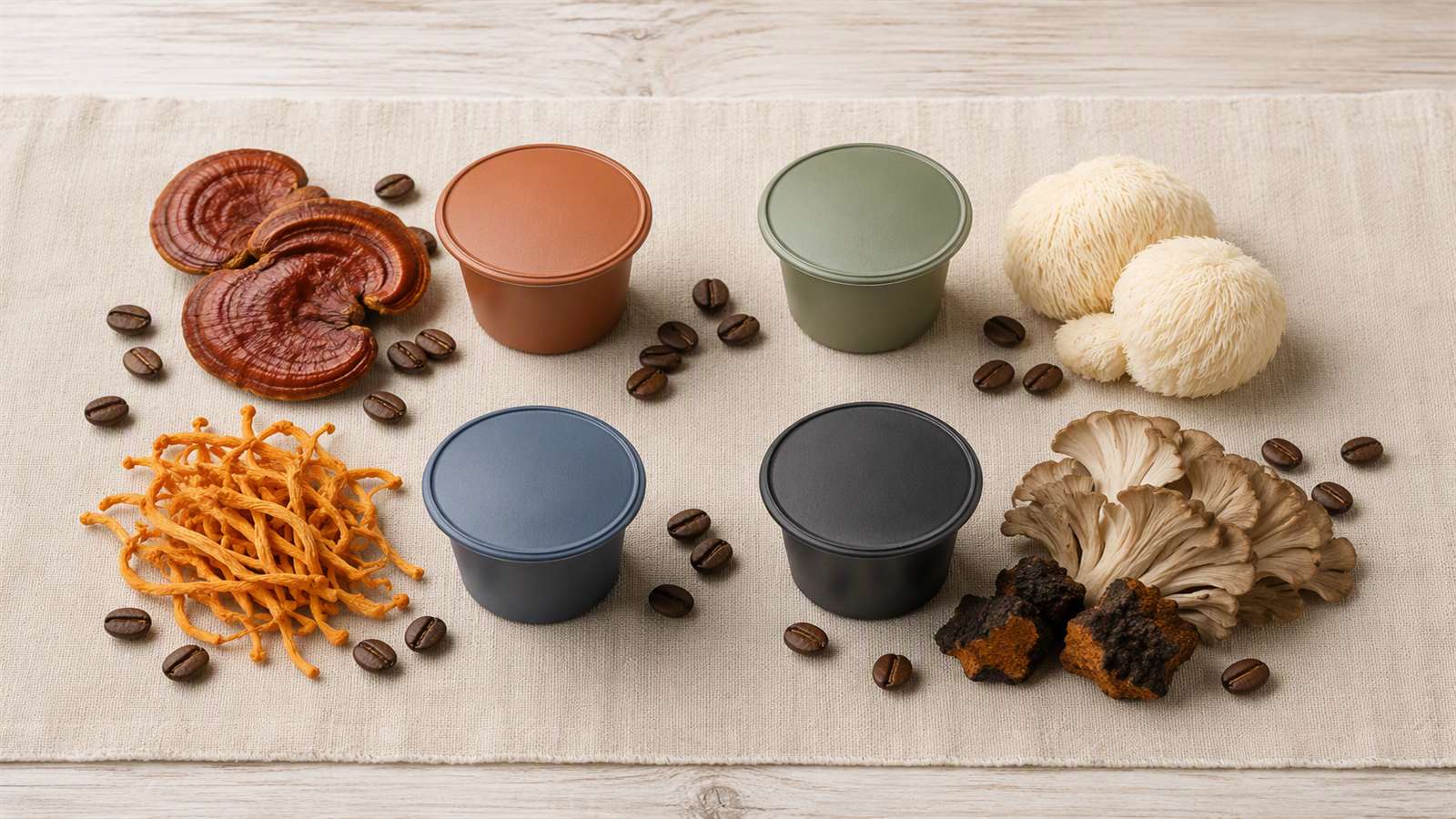
Common mushrooms used in functional coffee products include:
- Lion’s Mane
- Reishi
- Chaga
- Cordyceps
- Turkey Tail
The actual formulation varies considerably between products. Some contain a single mushroom, while others use a blend of several species. Additional ingredients such as cocoa, coconut milk powder, MCT powder, or natural flavors may also be included.
Common Mushroom Coffee Ingredients
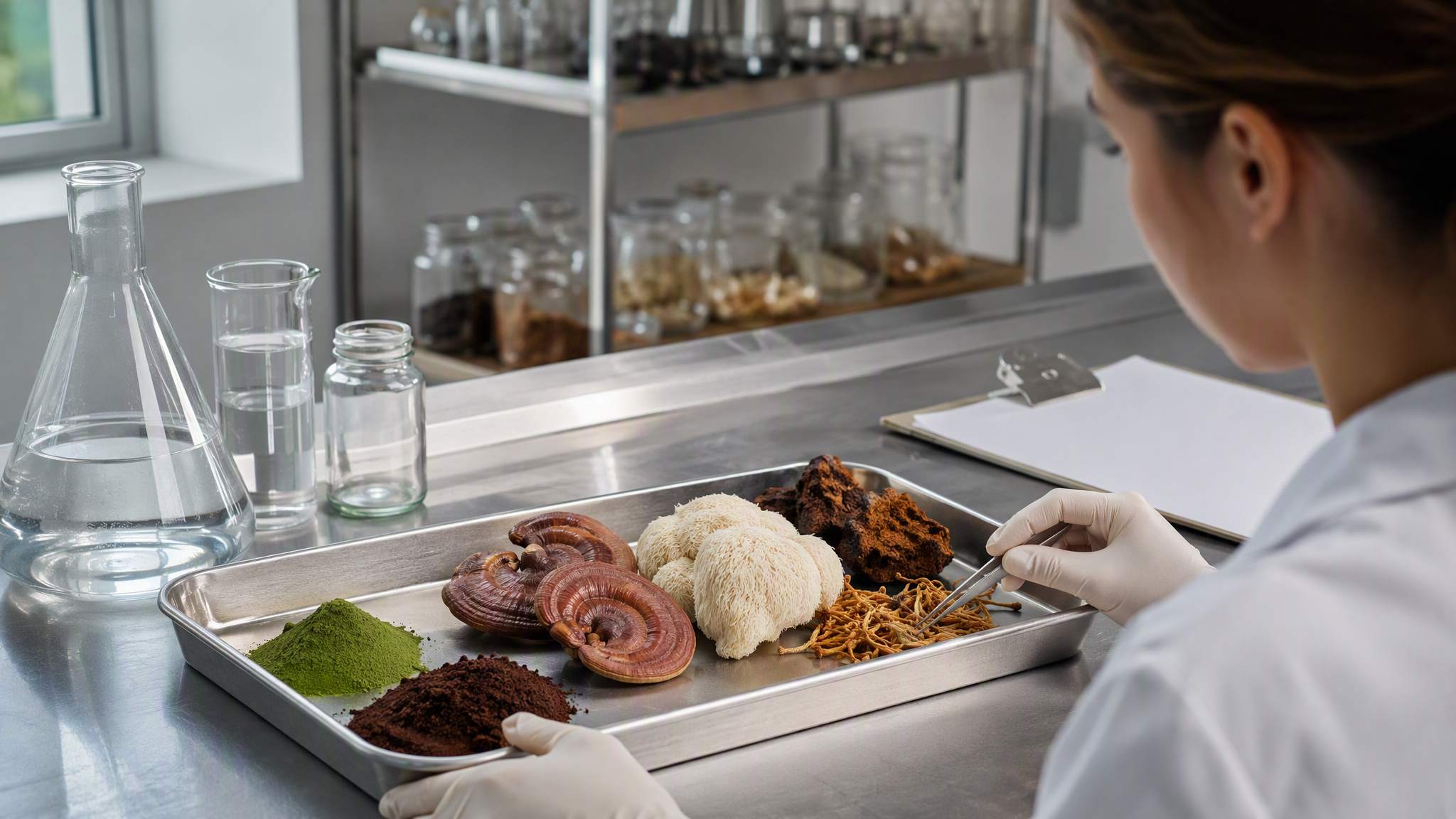
The mushroom ingredient may be supplied as either a powder or an extract.
Mushroom powder is generally produced by drying and grinding mushroom material. Mushroom extracts involve additional processing and may be produced using different extraction methods.
This distinction is important because two mushroom coffee products can contain the same mushroom species while having different ingredient profiles.
Matcha vs Mushroom Coffee: Key Differences
The most noticeable difference is the foundation of each beverage.
| Feature | Matcha | Mushroom Coffee |
|---|---|---|
| Main ingredient | Green tea powder | Coffee + mushroom ingredients |
| Botanical source | Camellia sinensis | Coffee beans + mushrooms |
| Caffeine | Naturally present | Mainly from coffee |
| L-theanine | Naturally present | Not typically a major component |
| Mushroom compounds | No | Yes |
| Flavor | Grassy, earthy, umami | Roasted, bitter, earthy |
| Common preparation | Whisked or mixed | Brewed or dissolved |
| Typical formats | Powder | Ground coffee, instant powder, pods |
Neither beverage should automatically be considered superior. Their differences largely reflect the ingredients from which they are made.
Matcha vs Mushroom Coffee: Caffeine Content
Caffeine is one of the most practical differences to consider when comparing the two.
How Much Caffeine Does Matcha Have?
Matcha naturally contains caffeine because it is made from green tea leaves. The amount in a serving can vary according to the quantity of powder used, the tea variety, and preparation.
Because matcha contains the entire powdered tea leaf, its caffeine intake can be different from that of a cup of traditionally brewed green tea.
Matcha also contains L-theanine. A study published in Biological Psychology investigated the effects of L-theanine and caffeine, both separately and together, on aspects of cognitive performance and mood. The researchers found that the combination could influence attention-related measures, although individual responses can vary.
How Much Caffeine Does Mushroom Coffee Have?
Mushroom coffee generally gets most of its caffeine from coffee rather than the mushrooms themselves.
Caffeine levels depend on:
- Coffee variety
- Serving size
- Brewing method
- Coffee-to-mushroom ratio
- Product formulation
Adding mushroom ingredients does not necessarily make coffee lower in caffeine. Consumers who are sensitive to caffeine should therefore check the product label rather than assuming that mushroom coffee contains very little caffeine.
Does Matcha Feel Different From Coffee?
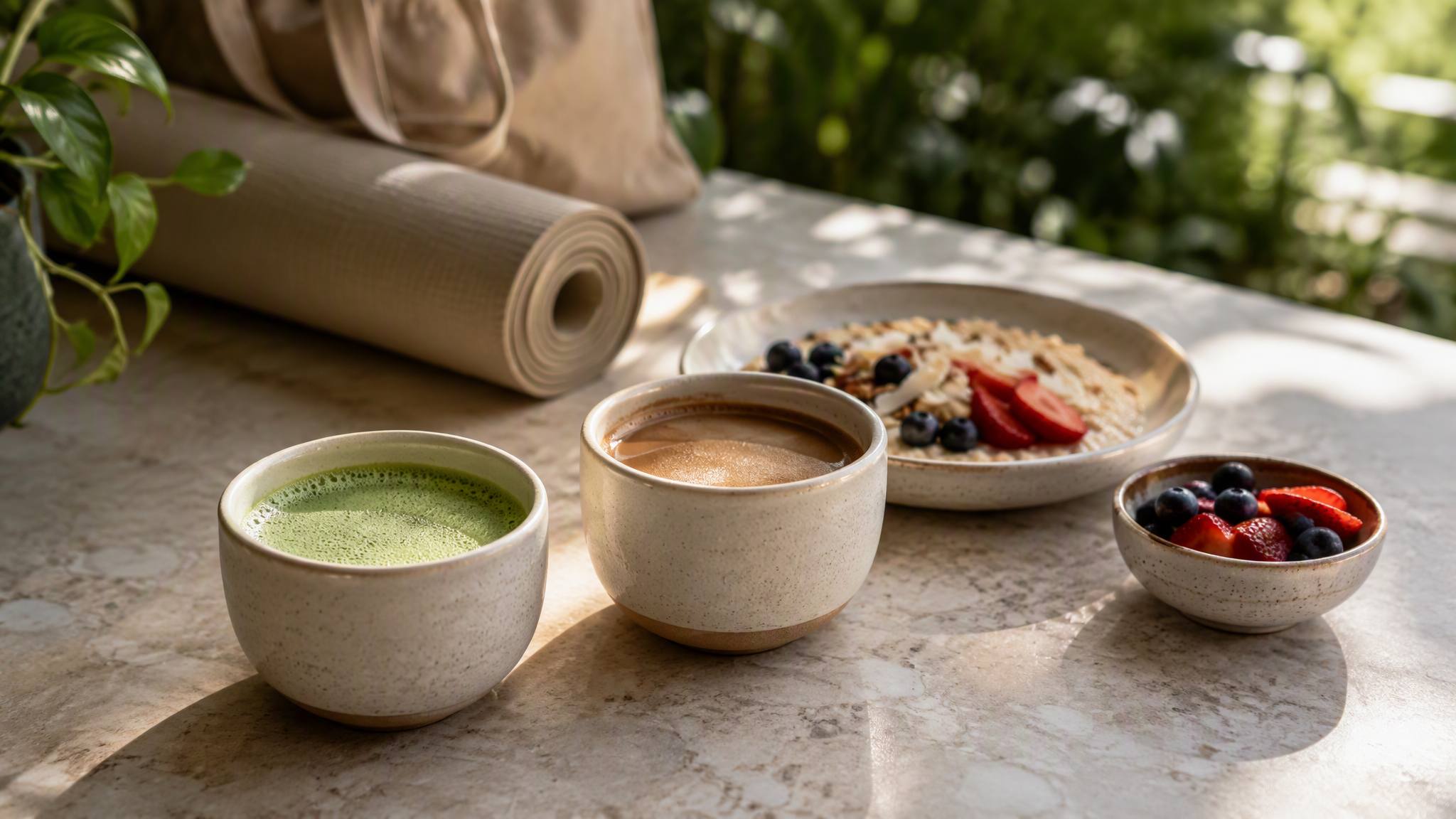
Some people describe matcha as providing a different experience from coffee. This may partly relate to its combination of caffeine and L-theanine, as well as differences in individual metabolism and expectations.
However, subjective experiences should not be treated as universal effects. Both beverages can provide caffeine, and sensitivity varies significantly between individuals.
Matcha Benefits: What Does Research Say?
Matcha is part of the broader green tea category, which has been extensively researched.
Antioxidant Compounds
Green tea contains catechins and other polyphenols with antioxidant activity. EGCG is particularly well studied.
Research on green tea has investigated these compounds in relation to cardiovascular health, metabolic processes, and other areas of human health. However, evidence from green tea research does not necessarily mean that every matcha product will produce the same effects.
The nutritional composition of matcha can also vary depending on cultivation, processing, storage, and preparation.
Caffeine and Alertness
Like coffee, matcha provides caffeine. Caffeine is well established as a stimulant that can increase alertness and reduce the perception of fatigue.
For people who want a caffeinated beverage but prefer the flavor and preparation style of tea, matcha can be an alternative to coffee.
L-Theanine in Matcha
L-theanine is one of the distinctive compounds associated with tea.
Studies have examined L-theanine together with caffeine in relation to attention and cognitive performance. Research does not establish that matcha is a treatment for anxiety, stress, or neurological conditions, but the presence of L-theanine helps distinguish matcha chemically from coffee.
Mushroom Coffee Benefits: What Does Research Say?
Mushroom coffee combines the research background of coffee with research surrounding individual mushroom species.
Coffee and Its Bioactive Compounds
Coffee naturally contains caffeine as well as various polyphenols and other bioactive compounds.
Coffee research has explored potential associations between regular coffee consumption and several aspects of health. However, the results of observational studies should not be interpreted as proof that drinking coffee directly prevents or treats a particular condition.
Functional Mushroom Compounds
Functional mushrooms contain compounds such as polysaccharides, beta-glucans, and, depending on the species, triterpenes and other bioactive substances.
Lion’s Mane, for example, has been investigated for its neurological and cognitive properties. Reishi research has examined polysaccharides and triterpenes, while Chaga has received attention for its antioxidant-related compounds.
Cordyceps has also been studied in relation to exercise and physical performance.
Importantly, research on an individual mushroom is not automatically evidence that the same effect occurs when that mushroom is consumed in coffee. The dose, extraction method, formulation, and study design all matter.
Matcha vs Mushroom Coffee: Flavor and Drinking Experience
Flavor can be just as important as ingredients when choosing between the two.
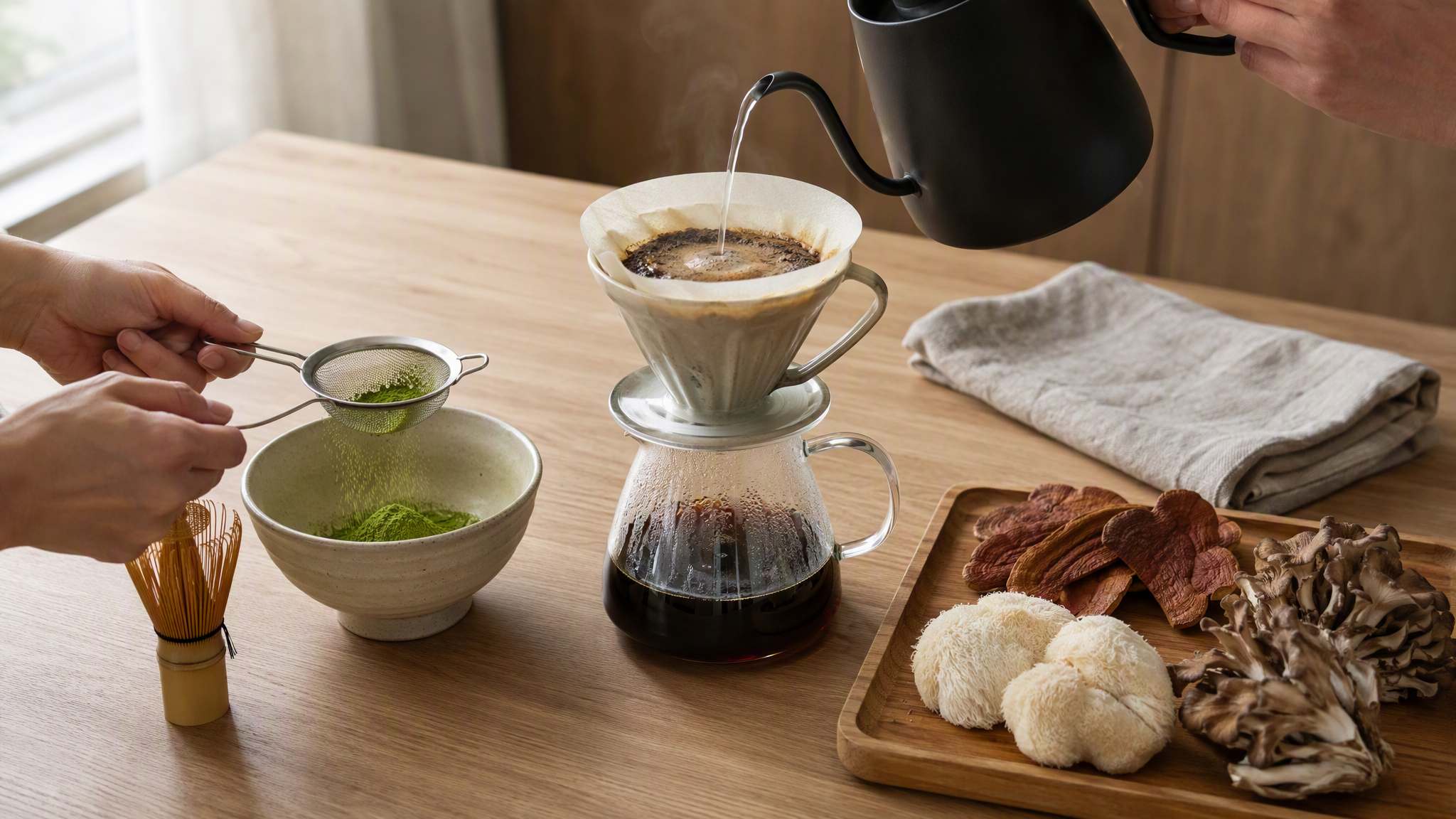
What Does Matcha Taste Like?
Matcha is often described as:
- Grassy
- Earthy
- Slightly bitter
- Umami-rich
- Smooth when properly prepared
Milk or plant-based alternatives can soften its natural bitterness and create a matcha latte.
What Does Mushroom Coffee Taste Like?
Mushroom coffee generally retains the roasted characteristics of coffee.
Depending on the formula, it may have:
- Roasted notes
- Nutty flavors
- Mild bitterness
- Earthy undertones
The mushroom species and amount used can influence the final taste. A multi-mushroom blend may taste noticeably different from a coffee containing a small amount of a single mushroom extract.
Matcha vs Mushroom Coffee: Preparation
Preparation is another practical difference.
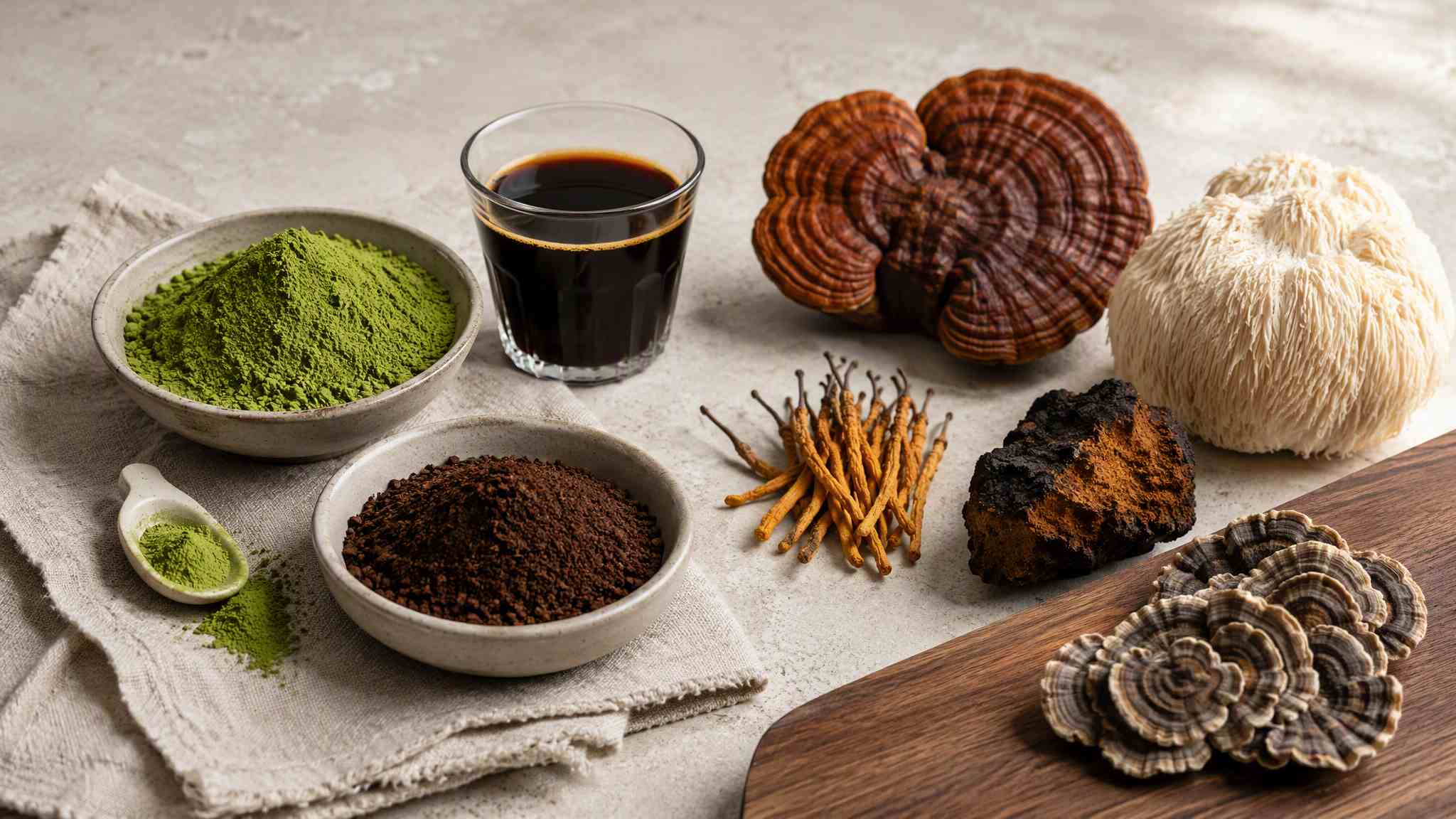
How to Prepare Matcha
A traditional preparation generally involves:
- Measuring matcha powder
- Adding warm water
- Whisking until smooth
- Adding milk if desired
The temperature and whisking technique can influence texture and flavor.
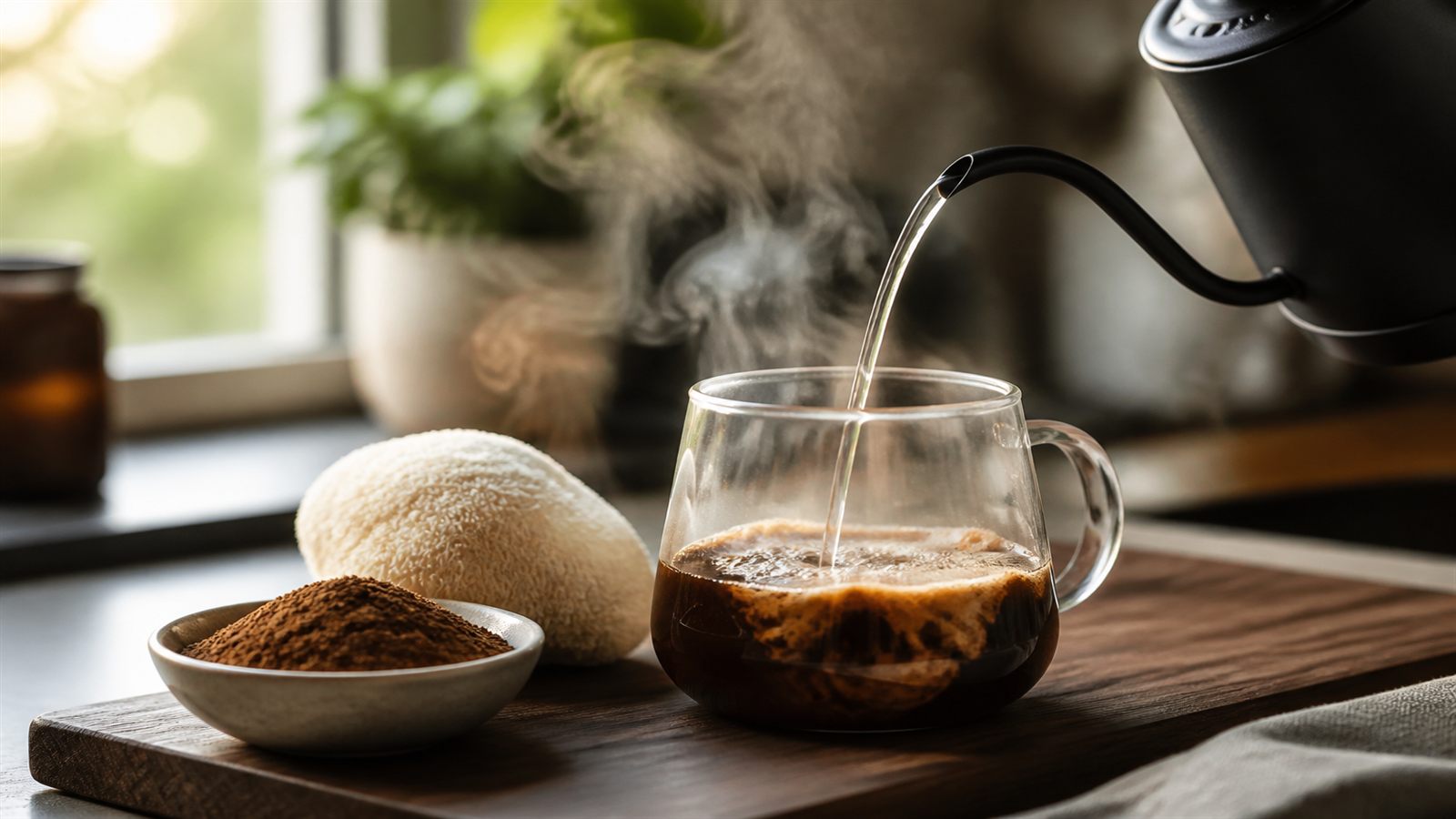
How to Prepare Mushroom Coffee
Preparation depends on the product format.
It may involve:
- Brewing ground mushroom coffee
- Dissolving instant mushroom coffee powder
- Using single-serve coffee pods
For consumers already using a coffee machine each morning, mushroom coffee may require little change to an existing routine.
Which Is Better: Matcha or Mushroom Coffee?
There is no universal winner in the matcha vs mushroom coffee comparison.
Choose Matcha If You Prefer:
- Tea-based beverages
- Grassy or umami flavors
- Naturally occurring L-theanine
- Powdered tea preparation
- Green tea ingredients
Choose Mushroom Coffee If You Prefer:
- Traditional coffee flavor
- Roasted aromas
- Coffee-based caffeine
- Functional mushroom ingredients
- Brewed or instant coffee formats
Can You Drink Both?
For people without specific caffeine restrictions, matcha and mushroom coffee can both be part of a varied beverage routine. The important consideration is total caffeine intake from all dietary sources.
People who are pregnant, taking certain medications, or particularly sensitive to caffeine may want to discuss appropriate caffeine intake with a qualified healthcare professional.
Matcha vs Mushroom Coffee: Which Fits Your Daily Routine?
The best choice often comes down to personal habits rather than a simple health ranking.
| Preference | Potential Choice |
|---|---|
| Enjoy green tea | Matcha |
| Prefer roasted coffee flavor | Mushroom Coffee |
| Want a natural source of L-theanine | Matcha |
| Interested in functional mushroom ingredients | Mushroom Coffee |
| Prefer coffee-machine brewing | Mushroom Coffee |
| Enjoy traditional tea preparation | Matcha |
For some people, the choice may also change throughout the day. Matcha may work well as a tea-based morning or afternoon beverage, while mushroom coffee may fit naturally into a traditional coffee routine.
What to Look for When Buying Matcha or Mushroom Coffee
When Choosing Matcha
Check:
- Ingredient list
- Matcha origin
- Added sweeteners
- Serving size
- Storage instructions
Products containing only matcha powder provide a different nutritional profile from sweetened matcha latte mixes.
When Choosing Mushroom Coffee
Look for:
- Clearly identified mushroom species
- Mushroom powder or extract information
- Coffee source
- Serving size
- Added sugar
- Transparent ingredient labeling
It is also useful to distinguish between claims supported by research and broad marketing statements. A product containing a researched ingredient is not automatically proven to provide every benefit associated with that ingredient.
Frequently Asked Questions
Is mushroom coffee healthier than matcha?
There is not enough evidence to conclude that mushroom coffee is universally healthier than matcha. They contain different ingredients and have different nutritional and research profiles.
Does matcha have more caffeine than mushroom coffee?
Not necessarily. Caffeine content depends on serving size and formulation. Matcha contains caffeine from green tea, while mushroom coffee generally gets its caffeine from coffee.
Does mushroom coffee contain L-theanine?
Mushrooms are not considered a significant natural source of L-theanine. L-theanine is primarily associated with tea, including matcha.
Can you drink matcha and mushroom coffee on the same day?
Many people can consume both, but total daily caffeine intake should be considered. Individual caffeine tolerance also varies.
Which is better for energy, matcha or mushroom coffee?
Both contain caffeine and may increase alertness. Coffee-based mushroom beverages often contain more caffeine per serving than matcha, but the exact amount depends on the product.
Scientific References
- Haskell CF, Kennedy DO, Milne AL, Wesnes KA, Scholey AB. The effects of L-theanine, caffeine and their combination on cognition and mood. Biological Psychology.
- Friedman M. Chemistry, Nutrition, and Health-Promoting Properties of Hericium erinaceus Mushroom. Journal of Agricultural and Food Chemistry.
- Mori K, Inatomi S, Ouchi K, Azumi Y, Tuchida T. Improving effects of the mushroom Yamabushitake (Hericium erinaceus) on mild cognitive impairment: A double-blind placebo-controlled clinical trial. Phytotherapy Research. 2009.
- National Center for Complementary and Integrative Health (NCCIH). Green Tea. Information on green tea, its components, and current evidence.
- National Institutes of Health, Office of Dietary Supplements. Caffeine Fact Sheet for Consumers. Information on caffeine intake and dietary sources.
Final Thoughts
Matcha and mushroom coffee represent two different approaches to functional beverages. Matcha provides powdered green tea along with caffeine, L-theanine, catechins, and other tea compounds. Mushroom coffee combines coffee with mushroom-derived ingredients, creating a beverage that retains the familiar characteristics of coffee while introducing additional functional components.
Current research provides interesting evidence about individual ingredients, but it does not support treating either beverage as a universal solution for health or wellness. When choosing between matcha and mushroom coffee, factors such as caffeine content, ingredients, flavor, preparation, and personal preferences are often more useful than broad claims about which drink is “better.”
For consumers, reading the ingredient label and understanding what the available research actually shows is a practical way to make an informed choice.