

Why More People Are Making Mushroom Coffee at Home
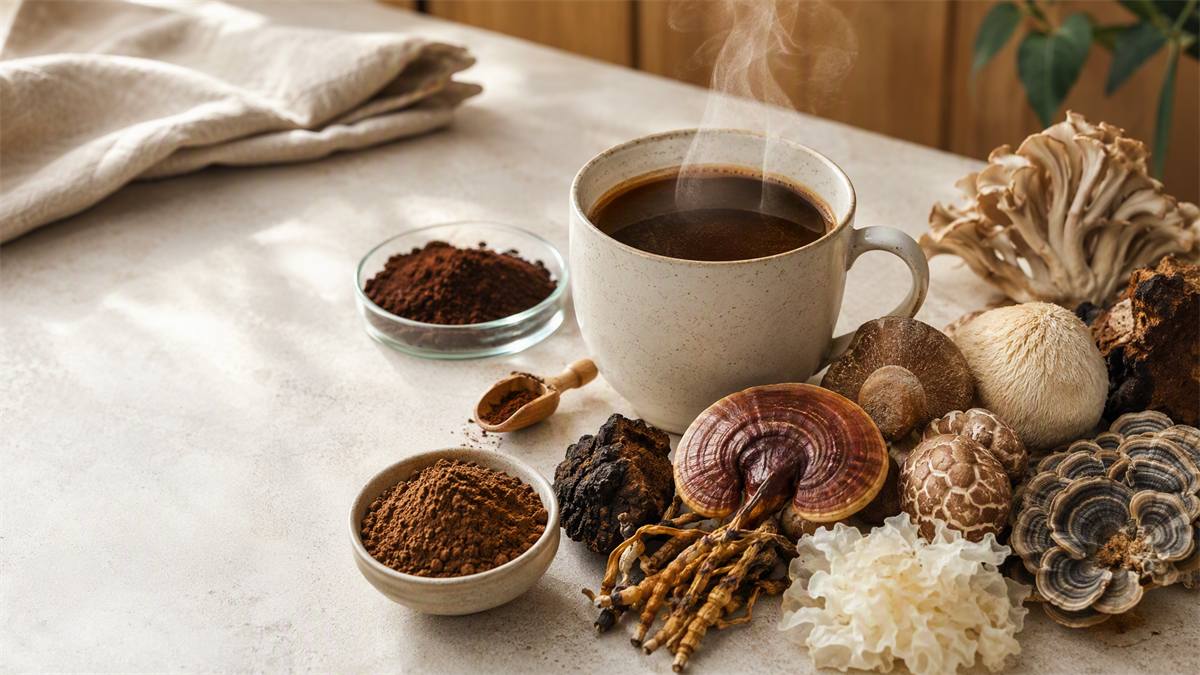
Coffee has long been part of daily routines around the world, but consumer interest in functional beverages has introduced new ways to enjoy this familiar drink. One growing trend is mushroom coffee, a blend that combines traditional coffee with functional mushroom ingredients such as Lion’s Mane, Reishi, Chaga, or Cordyceps.
Many people search for how to make mushroom coffee because they want to experiment with this type of beverage at home rather than purchasing ready-made products. Making mushroom coffee yourself allows greater control over ingredients, flavor, and preparation methods.
Although mushroom coffee is often associated with wellness trends, it is important to understand it from a balanced perspective. Functional mushrooms contain naturally occurring compounds that have been studied in nutritional research, but they are not a replacement for a balanced diet or healthy lifestyle.
This guide explains what mushroom coffee is, the ingredients needed, a simple preparation method, flavor tips, and how to choose suitable mushroom ingredients for a homemade blend.
What Is Homemade Mushroom Coffee?
Understanding Mushroom Coffee
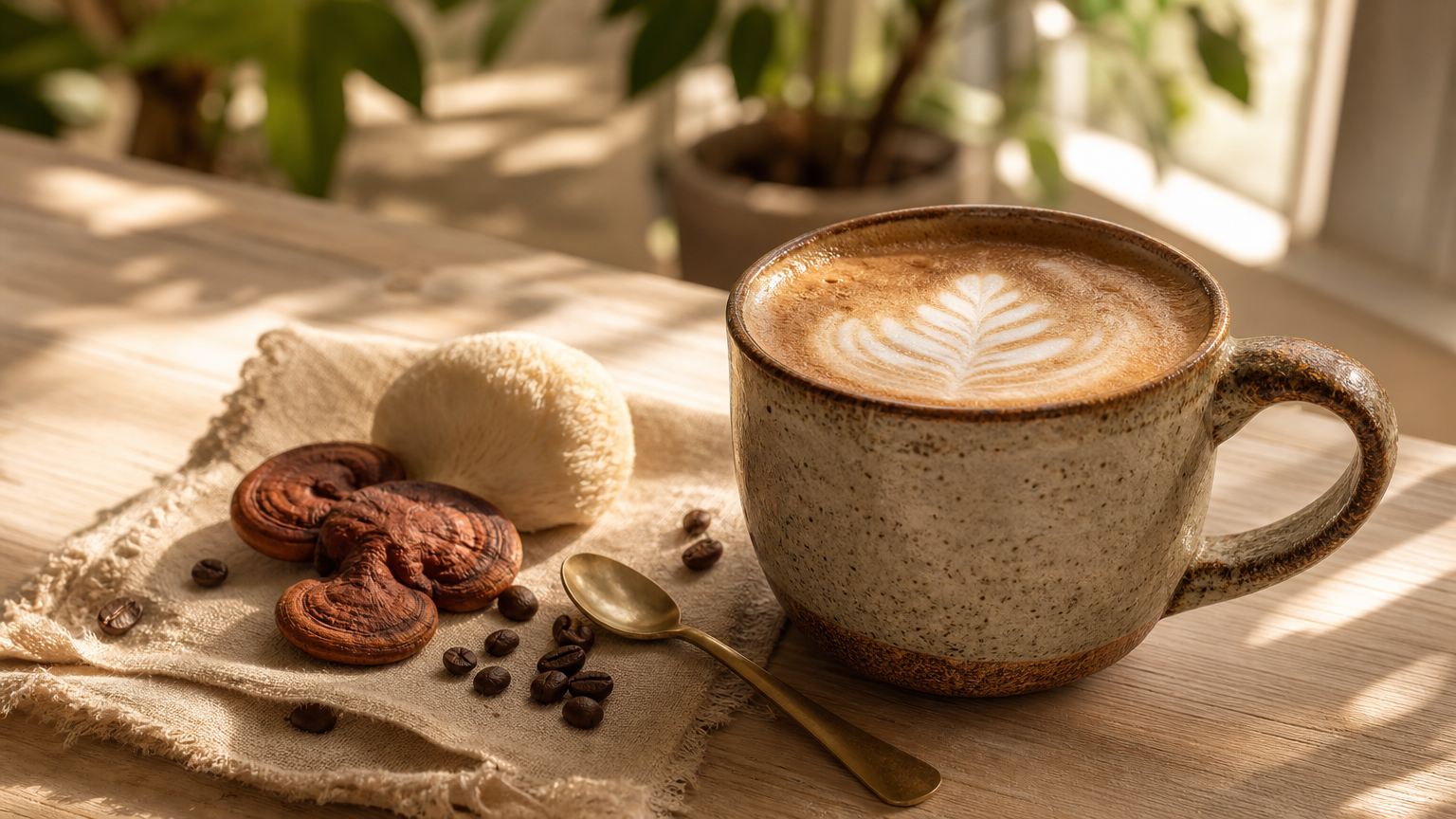
Mushroom coffee is a beverage made by combining coffee with mushroom-based ingredients, usually mushroom powder or mushroom extract.
Unlike regular coffee, which contains only roasted coffee beans, mushroom coffee introduces additional ingredients derived from functional mushrooms.
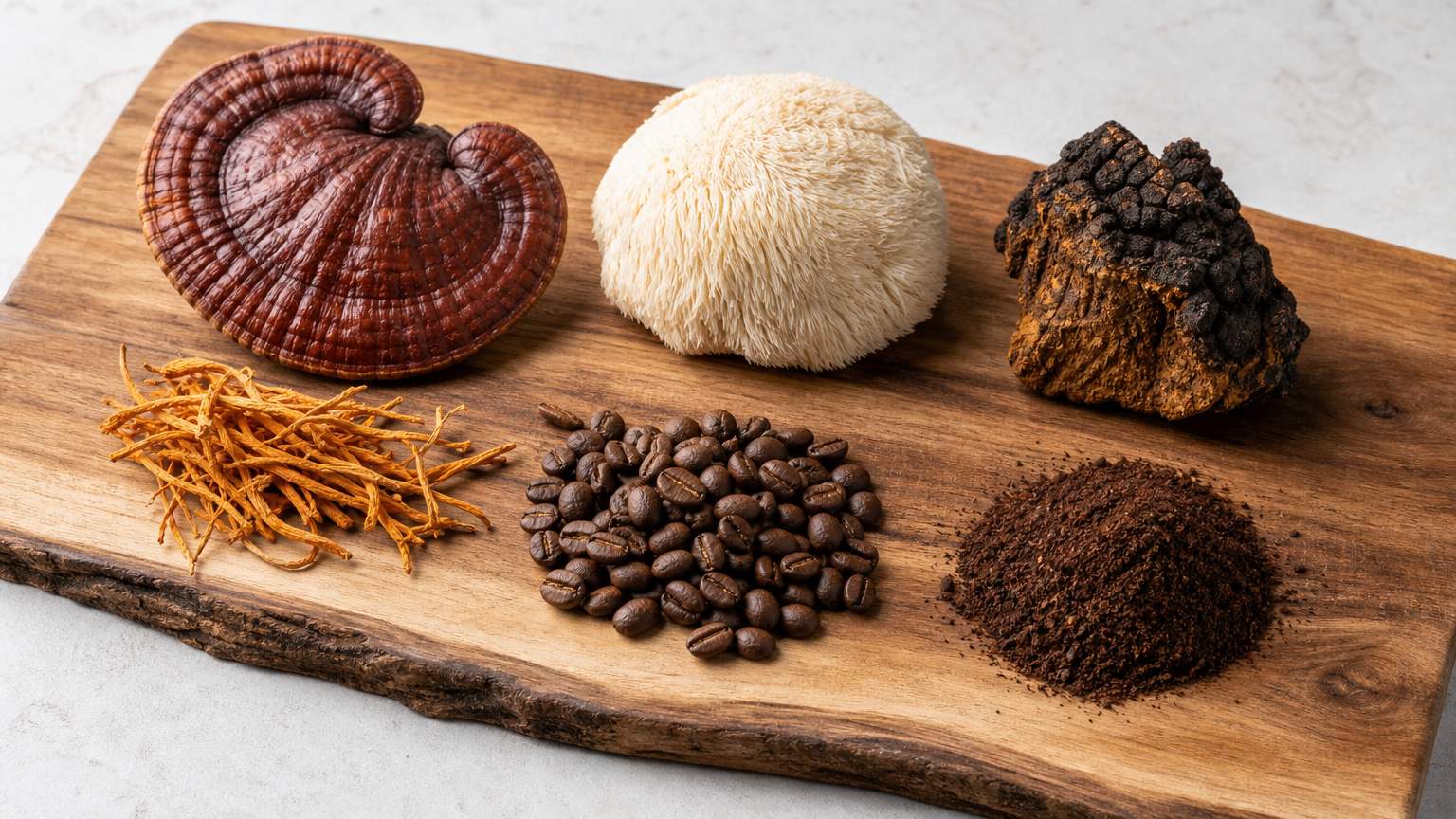
Common mushroom varieties used in coffee blends include:
- Lion’s Mane mushroom (Hericium erinaceus)
- Reishi mushroom (Ganoderma lucidum)
- Chaga mushroom (Inonotus obliquus)
- Cordyceps mushroom (Cordyceps species)
Most homemade mushroom coffee recipes follow a simple approach:
- Prepare coffee using your preferred brewing method.
- Add a measured amount of mushroom powder or extract.
- Mix thoroughly before drinking.
The final flavor depends on the type of mushroom used, the coffee roast, and additional ingredients added to the recipe.
Mushroom Powder vs Mushroom Extract
When learning how to make mushroom coffee, one of the first choices is whether to use mushroom powder or mushroom extract.
Mushroom Powder
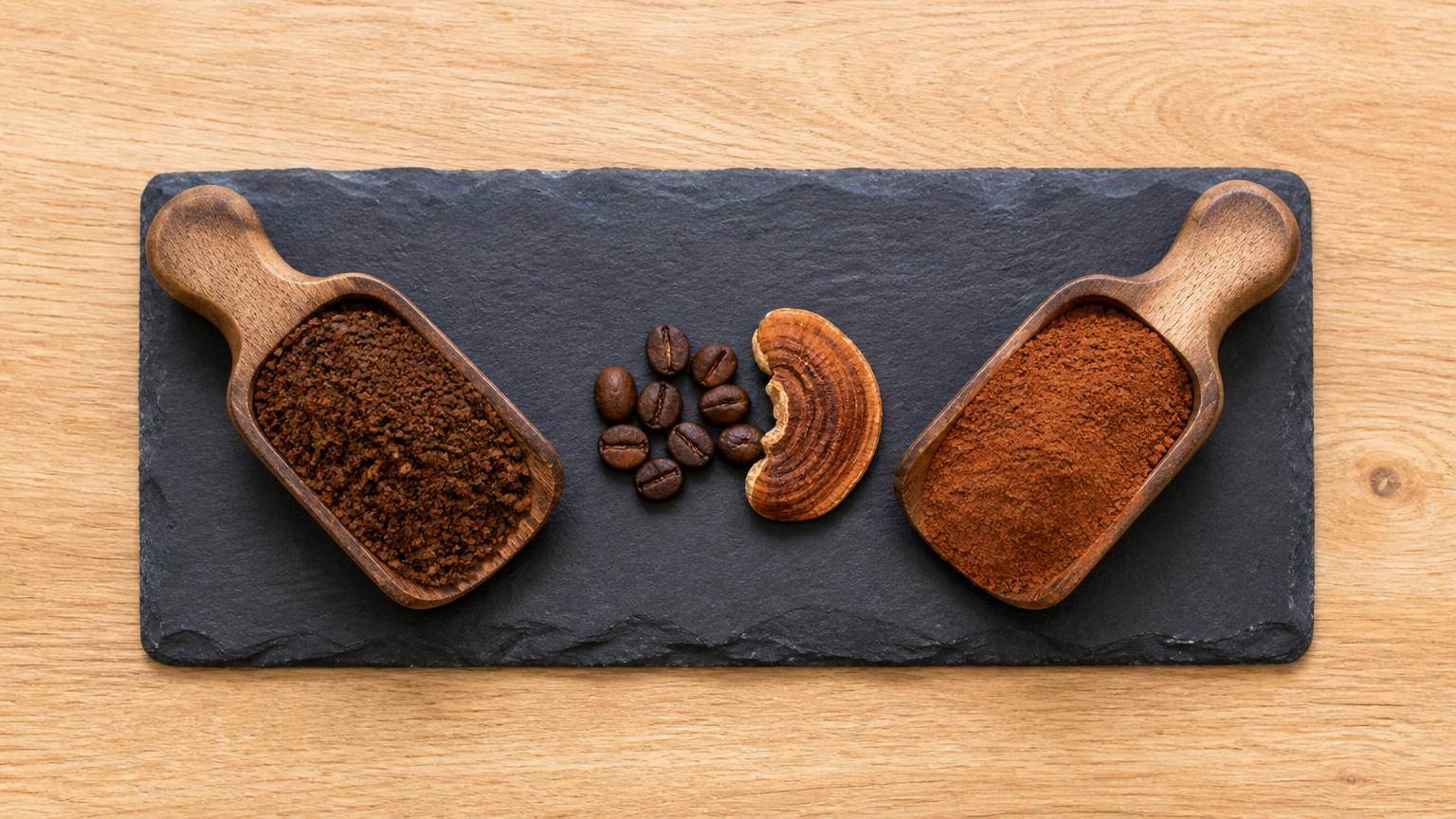
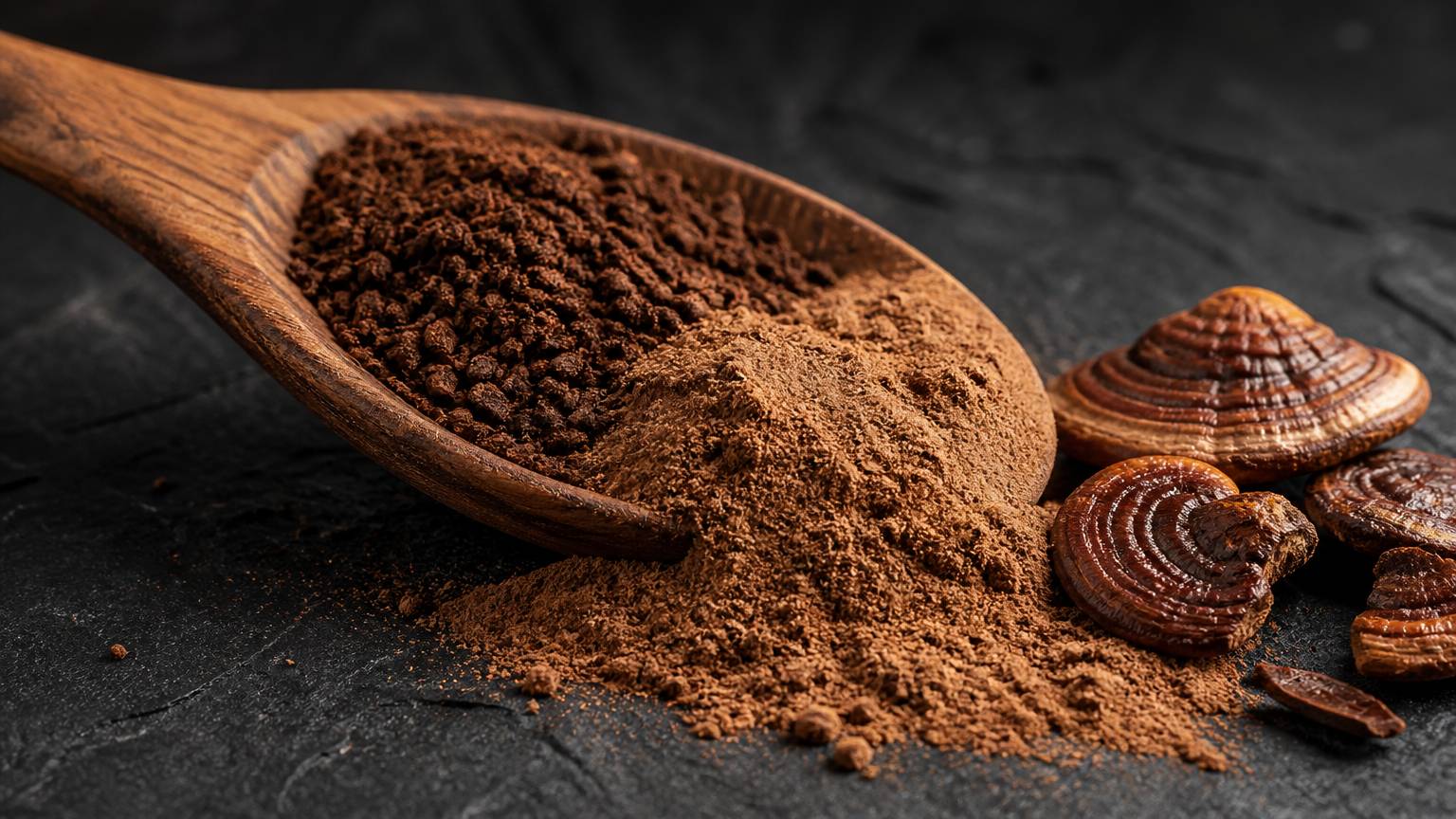
Mushroom powder is made by drying and grinding mushroom material into a fine powder.
Characteristics include:
- More traditional whole-mushroom format
- Natural earthy flavor
- Easy to mix into beverages
Many homemade mushroom coffee recipes use powder because it is simple and widely available.
Mushroom Extract
Mushroom extract is produced through extraction processes designed to concentrate certain mushroom compounds.
Characteristics include:
- More concentrated ingredient profile
- Often used in functional supplements and beverages
- Usually requires less product volume compared with raw powder
The choice between powder and extract depends on personal preference, product instructions, and desired flavor intensity.
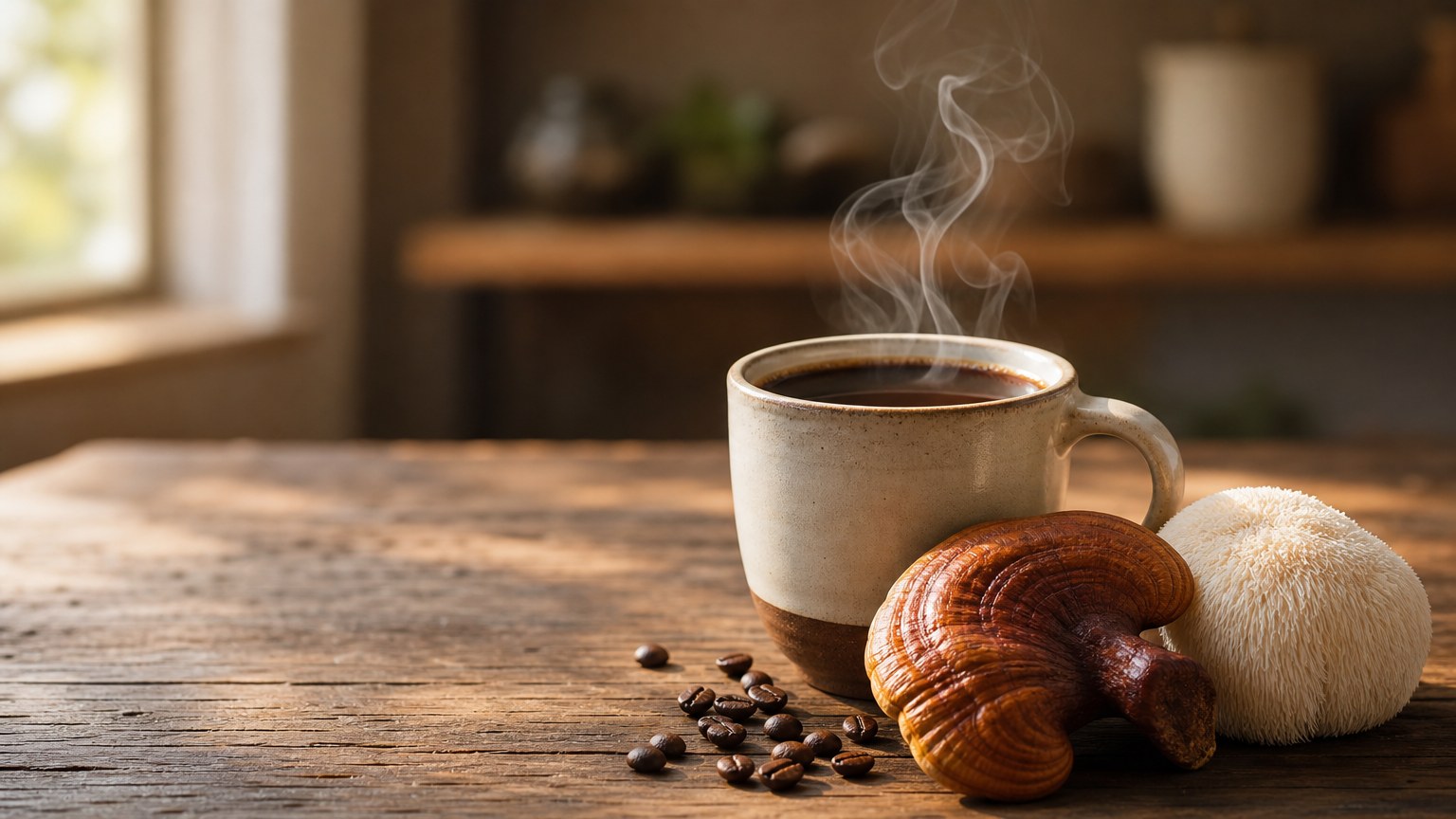
Ingredients Needed to Make Mushroom Coffee
Coffee
Coffee is the foundation of most mushroom coffee recipes.
Common options include:
- Ground coffee
- Instant coffee
- Espresso
- Cold brew coffee
The coffee type affects the final taste. Medium or dark roasts may help balance the earthy notes of mushroom ingredients, while lighter roasts may highlight more delicate flavors.
Coffee naturally contains compounds such as:
- Caffeine
- Chlorogenic acids
- Polyphenols
According to the European Food Safety Authority (EFSA), caffeine contributes to increased alertness and reduced fatigue when consumed within recommended intake levels.
Mushroom Powder or Extract
The mushroom ingredient is what makes the beverage different from traditional coffee.
Popular choices include:
Lion’s Mane Mushroom
Lion’s Mane is commonly used in functional beverages and has been studied for its bioactive compounds, including hericenones and erinacines.
Research has mainly focused on areas related to cognitive function and neurological mechanisms.
Reishi Mushroom
Reishi contains compounds such as polysaccharides and triterpenes.
Scientific research has explored Reishi extracts for various biological activities, although more human studies are needed to understand their effects in beverage formats.
Chaga Mushroom
Chaga is known for naturally occurring compounds such as polyphenols.
Research has primarily examined Chaga extracts and their bioactive components.
Cordyceps Mushroom
Cordyceps is often included in functional nutrition products.
Studies have investigated Cordyceps in areas related to exercise performance and energy metabolism.
Optional Ingredients for Better Flavor
Because mushrooms can have an earthy taste, many people customize homemade mushroom coffee with additional ingredients.
Popular additions include:
- Cinnamon
- Cocoa powder
- Vanilla
- Plant-based milk
- Natural sweeteners
These ingredients can create a smoother coffee experience while maintaining the functional mushroom concept.
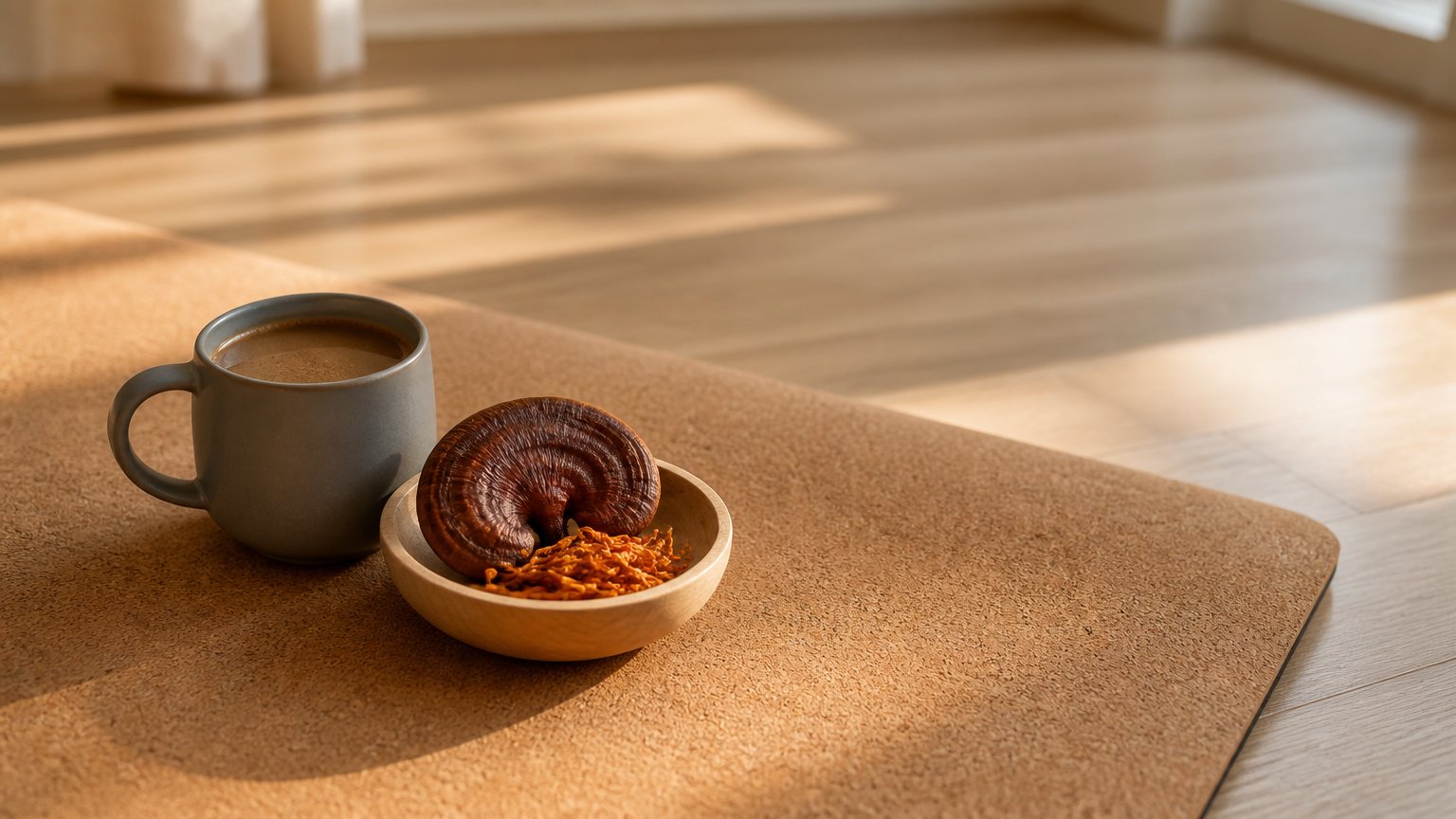
Simple Mushroom Coffee Recipe
Basic Mushroom Coffee Recipe
A simple homemade mushroom coffee recipe can be prepared with a few ingredients.
Ingredients
- 1 cup brewed coffee
- ½ to 1 teaspoon mushroom powder or extract (follow product instructions)
- Optional milk or flavor ingredients
Preparation Steps
Step 1: Brew Your Coffee
Prepare coffee using your preferred method, such as drip brewing, French press, espresso, or instant coffee.
Step 2: Add Mushroom Ingredients
Add the mushroom powder or extract to the coffee while it is warm.
Step 3: Mix Thoroughly
Stir well to distribute the mushroom ingredient evenly.
A milk frother or blender can help create a smoother texture.
Step 4: Adjust the Flavor
Add cinnamon, cocoa, or milk alternatives according to personal taste.
Mushroom Coffee Latte Recipe
For consumers who prefer a creamier beverage, a mushroom coffee latte is another option.
Ingredients
- 1 shot espresso or strong coffee
- Mushroom powder or extract
- Warm milk or plant-based milk
- Optional cinnamon or vanilla
Preparation
- Prepare espresso or strong coffee.
- Mix in mushroom ingredients.
- Add steamed milk.
- Finish with flavor additions if desired.
This format can make the earthy mushroom notes less noticeable and create a smoother drink.

How to Choose the Right Mushroom Ingredients
Choose the Mushroom Type
Different mushrooms have different research backgrounds and flavor characteristics.
For example:
- Lion’s Mane is commonly selected for cognitive research interest.
- Reishi is popular in traditional wellness products.
- Chaga is often used in antioxidant-focused formulations.
- Cordyceps is frequently found in energy-related products.
There is no single “best” mushroom for coffee. The choice depends on individual preferences and product goals.
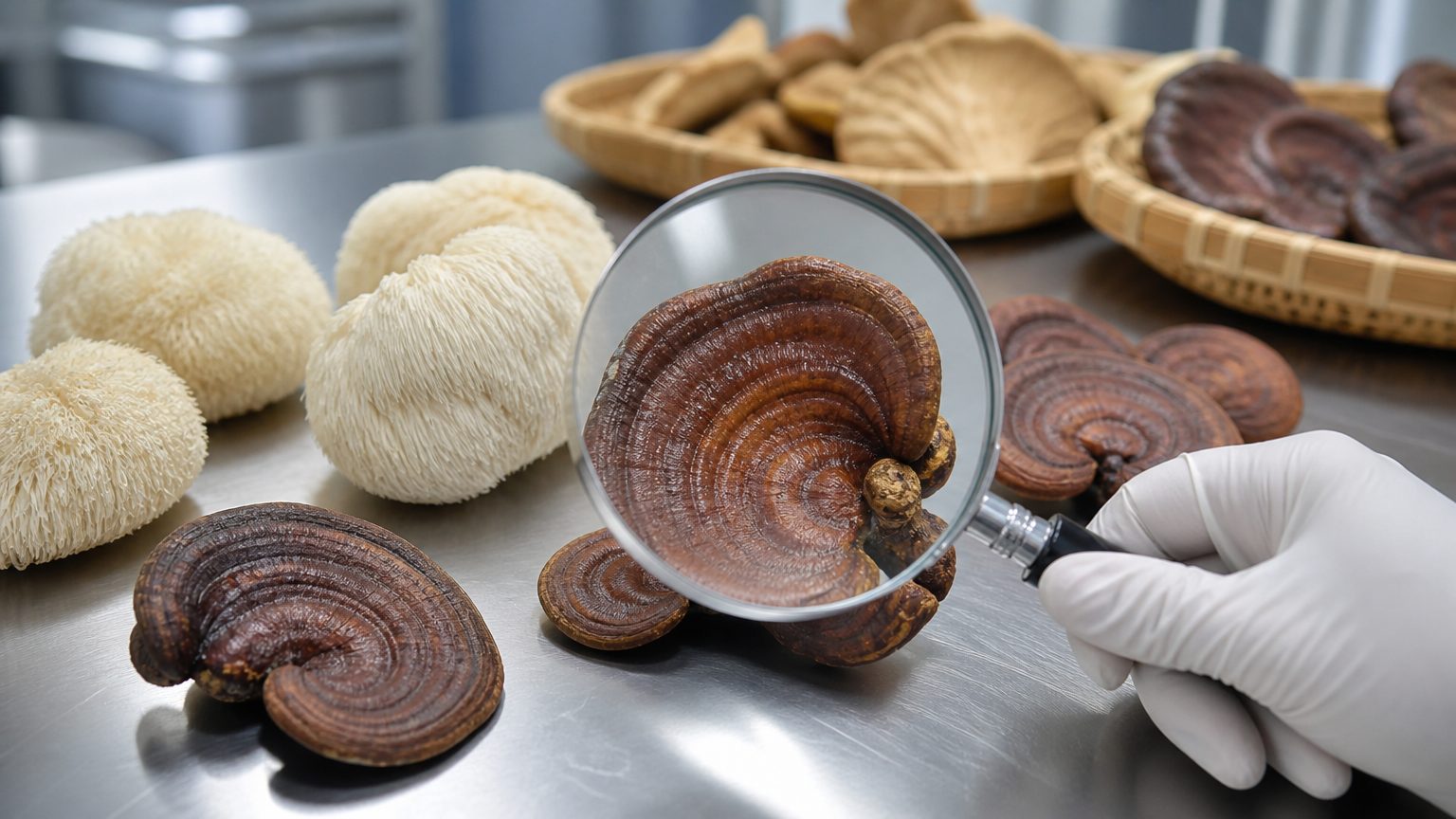
Check Ingredient Quality
When selecting mushroom ingredients, consider:
- Mushroom species identification
- Growing source
- Powder or extract format
- Ingredient transparency
- Quality testing information
Reliable labeling helps consumers understand what they are adding to their coffee.
Tips for Better-Tasting Mushroom Coffee
Start With a Small Amount
Mushroom ingredients often have stronger earthy flavors than coffee.
Starting with a smaller amount allows you to adjust the taste gradually.
Blend Instead of Only Stirring
Some mushroom powders may not dissolve completely.
Using:
- Milk frothers
- Blenders
- Shakers
can improve texture and create a smoother drink.
Balance the Flavor
If the mushroom flavor feels too strong, try:
- Cinnamon for warmth
- Cocoa for richness
- Vanilla for sweetness
- Plant-based milk for creaminess
The goal is to create a balanced coffee experience rather than overpowering the original coffee flavor.
Mushroom Coffee Brewing Methods
Using Ground Coffee
Ground coffee provides control over:
- Strength
- Roast level
- Brewing style
Popular methods include:
- French press
- Pour-over
- Drip coffee makers
Using Instant Coffee
Instant mushroom coffee is one of the simplest approaches.
Advantages:
- Fast preparation
- Easy storage
- Convenient for travel
Using Espresso
Espresso-based mushroom coffee works well for:
- Lattes
- Cappuccino-style drinks
- Strong coffee preferences
Homemade Mushroom Coffee vs Ready-Made Products
| Feature | Homemade Mushroom Coffee | Ready-Made Mushroom Coffee |
|---|---|---|
| Ingredient control | High | Depends on product |
| Flavor customization | High | Limited |
| Preparation time | Longer | Faster |
| Convenience | Moderate | High |
| Formula flexibility | High | Fixed formula |
Homemade mushroom coffee gives consumers more control, while ready-made products provide convenience and consistency.
Common Mistakes When Making Mushroom Coffee
Adding Too Much Mushroom Powder
Using excessive mushroom powder can create a strong earthy flavor and make the beverage less enjoyable.
Following product recommendations is usually the best approach.
Choosing Low-Quality Ingredients
Not all mushroom ingredients are the same.
Consumers should consider:
- Ingredient sourcing
- Testing information
- Clear labeling
Expecting Immediate Results
Mushroom coffee should be viewed as a functional beverage choice rather than a quick solution for specific health goals.
Research on functional mushrooms continues to develop, and many studies focus on individual mushroom extracts rather than finished coffee products.
Frequently Asked Questions
Can I make mushroom coffee without coffee?
Yes. Some people combine mushroom powders with alternatives such as herbal beverages or chicory drinks. However, traditional mushroom coffee usually contains coffee as the main ingredient.
What mushroom powder is best for coffee?
Common choices include Lion’s Mane, Reishi, Chaga, and Cordyceps. The best option depends on personal taste and ingredient preferences.
How much mushroom powder should I add to coffee?
The amount depends on the specific product. Consumers should follow the recommended serving size listed on the ingredient packaging.
Can I drink mushroom coffee every day?
Many people include mushroom coffee in their regular routine. However, caffeine intake and individual dietary considerations should always be considered.
Does homemade mushroom coffee taste like mushrooms?
It may have mild earthy or herbal notes. Flavor can be adjusted by changing the coffee type or adding ingredients such as cinnamon, cocoa, or milk alternatives.
Scientific References
- European Food Safety Authority (EFSA).
Scientific Opinion on the Safety of Caffeine. - Mori K, et al.
Improving effects of the mushroom Yamabushitake (Hericium erinaceus) on mild cognitive impairment: A double-blind placebo-controlled clinical trial.
Phytotherapy Research. 2009. - Wasser SP.
Medicinal mushroom science: Current perspectives and future directions.
Final Thoughts
Learning how to make mushroom coffee is a simple way to explore the combination of traditional coffee and functional mushroom ingredients. With basic ingredients, consumers can create different recipes based on their preferred flavors and preparation methods.
Whether using Lion’s Mane, Reishi, Chaga, or Cordyceps, the quality of ingredients and a balanced approach are important factors. Mushroom coffee can be enjoyed as part of a varied lifestyle while allowing consumers to experiment with new functional beverage options.