



Understanding Mushroom Coffee and Weight Loss Claims
Mushroom coffee has become a popular functional beverage among consumers who want to explore alternatives to traditional coffee. By combining coffee with mushroom ingredients such as Lion’s Mane, Reishi, Chaga, or Cordyceps, this category has gained attention in the wellness and nutrition market.
As interest continues to grow, many people ask: does mushroom coffee make you lose weight?
The short answer is that current scientific evidence does not show that mushroom coffee directly causes weight loss. However, some of its ingredients, including coffee compounds and mushroom-derived nutrients, have been studied in relation to energy metabolism, dietary habits, and overall wellness.
Understanding the difference between scientific research, marketing claims, and personal experiences is important when evaluating any functional beverage.
This article explores what research says about mushroom coffee and weight management, how it compares with regular coffee, and how it may fit into a balanced lifestyle.
What Is Mushroom Coffee?
How Mushroom Coffee Is Made
Mushroom coffee is typically made by combining roasted coffee with mushroom-based ingredients. These ingredients are usually available in two main forms:
- Mushroom powder
- Mushroom extract
Mushroom powders are made from dried mushrooms that are processed into a fine form, while extracts are produced using methods that concentrate certain naturally occurring compounds.
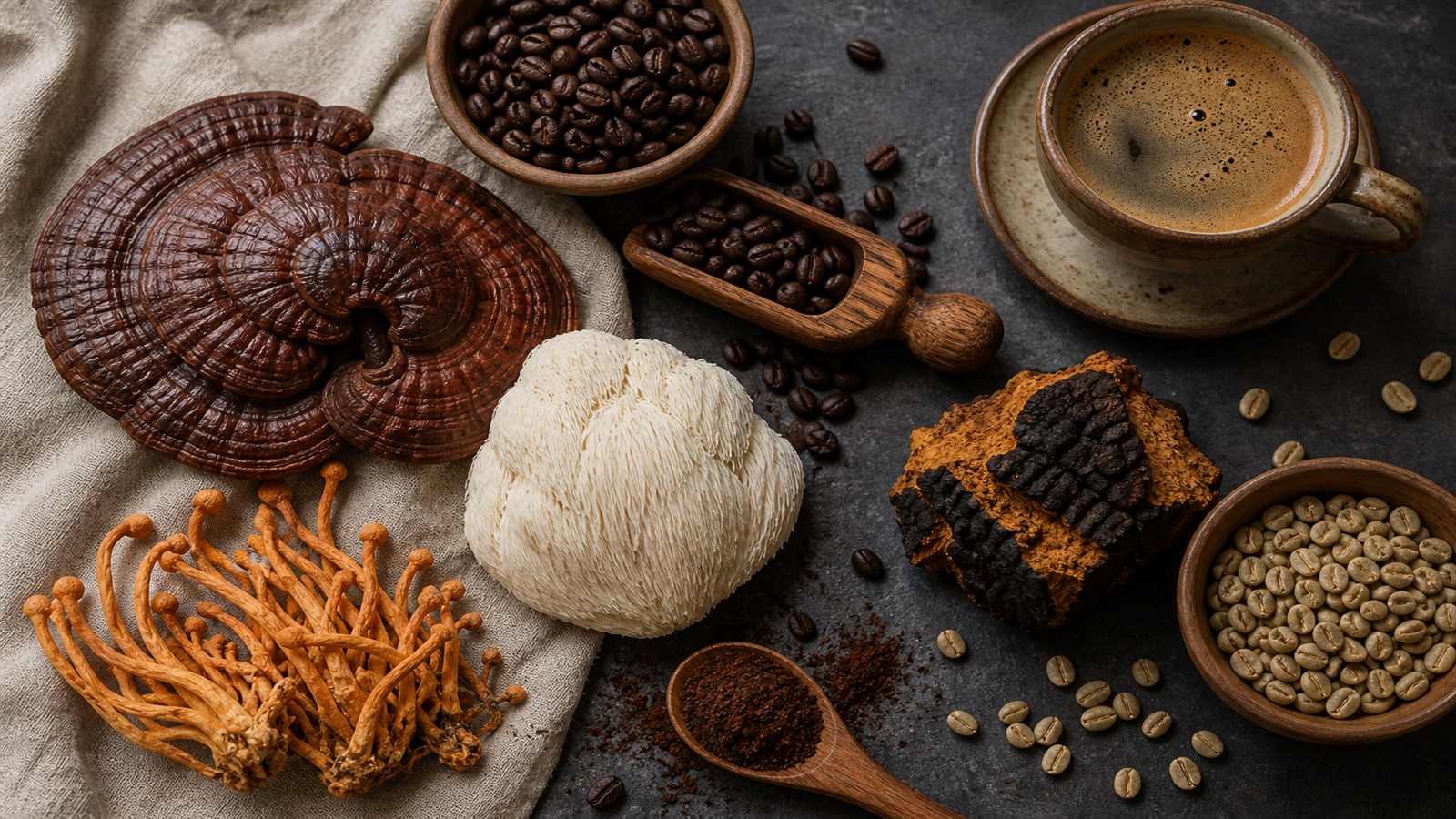
Common mushroom varieties used in coffee products include:
- Lion’s Mane (Hericium erinaceus)
- Reishi (Ganoderma lucidum)
- Chaga (Inonotus obliquus)
- Cordyceps (Cordyceps species)
The exact formulation varies between products. Some mushroom coffee blends contain one mushroom species, while others combine several varieties.
Because mushroom coffee products differ in ingredients, consumers should review labels carefully, including mushroom type, serving size, caffeine content, and added ingredients.

Common Mushrooms Used in Coffee
Lion’s Mane Mushroom
Lion’s Mane is one of the most widely researched functional mushrooms. It contains naturally occurring compounds such as hericenones and erinacines, which have been investigated in scientific studies.
Research published in Phytotherapy Research examined Lion’s Mane supplementation in adults with mild cognitive impairment. While the study showed potential effects during the research period, more studies are needed to understand how different Lion’s Mane products perform.
Reishi Mushroom
Reishi contains compounds including polysaccharides and triterpenes. It has a long history of use in traditional practices and continues to be studied for its nutritional properties.
However, research on Reishi often focuses on concentrated extracts rather than finished beverages such as mushroom coffee.
Chaga Mushroom
Chaga is known for naturally occurring compounds such as polyphenols and other bioactive components.
Current research has mainly examined Chaga extracts and laboratory findings, so these results should not automatically be applied to every mushroom coffee product.
Cordyceps Mushroom
Cordyceps is commonly included in functional nutrition products.
Some studies have explored Cordyceps in relation to exercise performance and energy metabolism, although more research is needed to understand its effects in different populations.
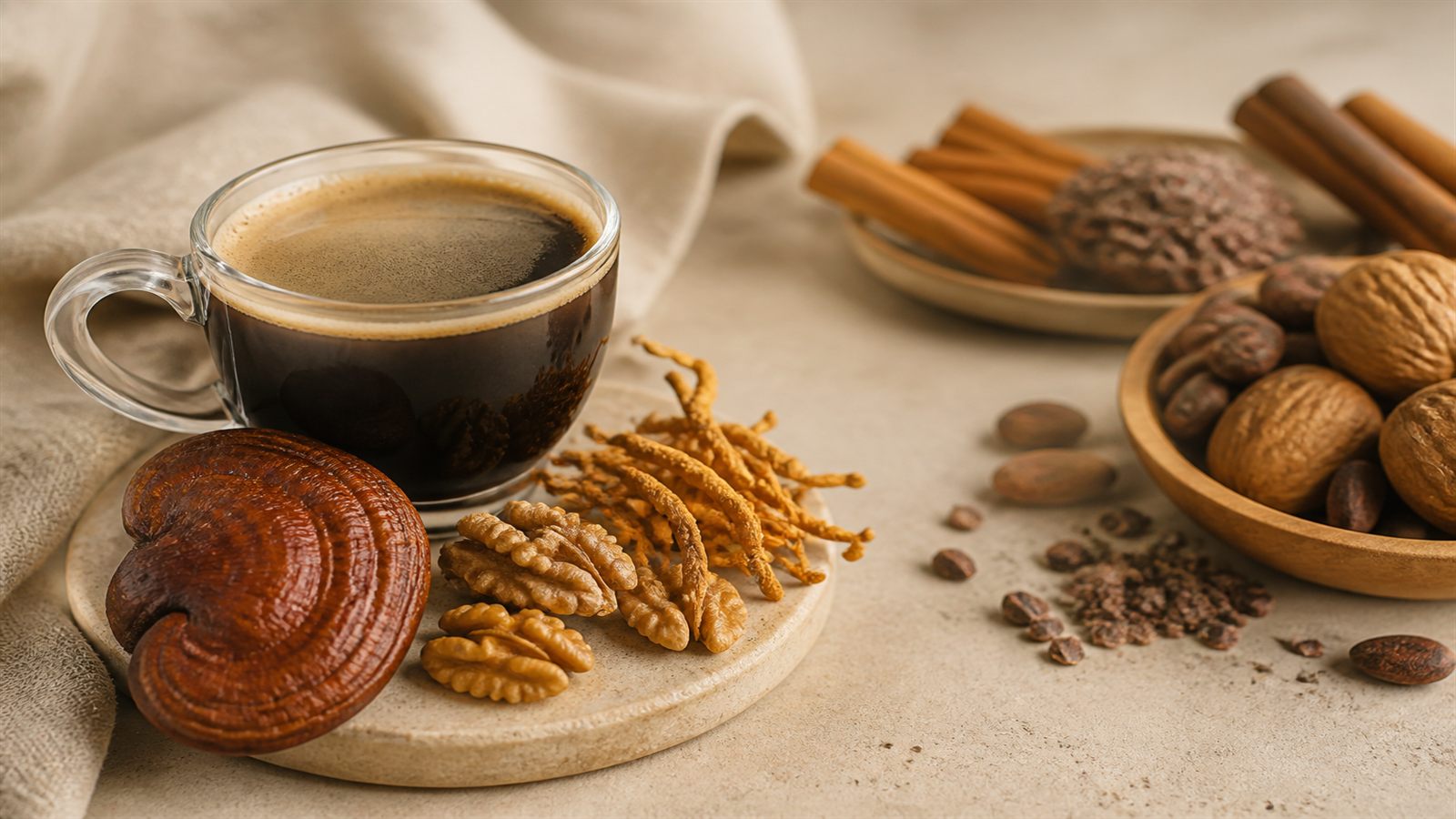
Does Mushroom Coffee Make You Lose Weight?
The popularity of mushroom coffee has led many consumers to wonder: does mushroom coffee make you lose weight?
Based on current research, there is no strong evidence that mushroom coffee itself directly causes weight loss.
Weight management is influenced by multiple factors, including:
- Total calorie intake
- Dietary patterns
- Physical activity
- Sleep quality
- Individual metabolism
However, some components of mushroom coffee may have characteristics that are relevant to weight management.
What Science Says About Coffee and Weight Management
The Role of Caffeine
Since mushroom coffee usually contains traditional coffee, caffeine is one of its main active compounds.
Research has examined caffeine’s relationship with:
- Energy expenditure
- Alertness
- Physical performance
The European Food Safety Authority (EFSA) has reviewed caffeine safety and reported that caffeine contributes to increased alertness and reduced fatigue at appropriate intake levels.
Some studies suggest caffeine may temporarily influence energy expenditure, but these effects alone are not considered a replacement for a balanced diet and regular physical activity.
In other words, coffee may be part of a healthy routine, but drinking coffee alone does not guarantee weight loss.
Coffee Compounds and Metabolism
Coffee naturally contains compounds such as:
- Chlorogenic acids
- Polyphenols
Research has investigated these compounds in relation to metabolic processes.
A large umbrella review published in BMJ examined coffee consumption and health outcomes, finding associations between coffee intake and several health indicators. However, associations do not prove that coffee directly produces weight loss.
The overall impact of coffee depends on how it fits into a person’s broader lifestyle.

Do Mushrooms Directly Cause Weight Loss?
Although functional mushrooms are often marketed as wellness ingredients, current evidence does not demonstrate that mushroom ingredients directly burn fat or cause weight reduction.
Mushrooms contain naturally occurring compounds such as:
- Beta-glucans
- Polysaccharides
- Polyphenols
These compounds are actively researched, but many studies focus on isolated mushroom extracts rather than mushroom coffee products.
Therefore, consumers should view mushroom coffee as a beverage choice rather than a weight loss solution.
How Mushroom Ingredients May Support a Healthy Lifestyle
While mushroom coffee should not be considered a weight loss product, its ingredients may fit into a broader healthy lifestyle.
Functional Ingredients and Nutrition Trends
The growing popularity of mushroom coffee reflects a larger trend toward functional beverages.
Consumers are increasingly interested in products that combine:
- Traditional foods
- Plant-based ingredients
- Functional nutrition concepts
Mushroom coffee fits within this category by combining familiar coffee with mushroom-derived ingredients.
Supporting Healthy Beverage Choices
For some people, mushroom coffee may replace higher-calorie drinks such as:
- Sweetened coffee beverages
- Sugar-based energy drinks
- High-calorie flavored drinks
However, the overall nutritional value depends on how the beverage is prepared.
Adding large amounts of:
- Sugar
- Creamers
- Syrups
can significantly increase calorie intake.

Mushroom Coffee vs Regular Coffee for Weight Management
| Feature | Mushroom Coffee | Regular Coffee |
|---|---|---|
| Main ingredients | Coffee plus mushroom ingredients | Coffee beans |
| Caffeine content | Usually contains caffeine | Contains caffeine |
| Additional compounds | Mushroom-derived compounds | Coffee polyphenols |
| Weight loss evidence | Limited direct evidence | More coffee-related research available |
| Main considerations | Ingredient quality and tolerance | Caffeine intake and preparation |
Both beverages can be included in different lifestyles. The choice often depends on taste preference, ingredient interests, and personal habits.
Factors That Actually Influence Weight Loss
Understanding weight management requires looking beyond a single beverage.
Calorie Balance
Body weight is influenced by the relationship between energy intake and energy expenditure.
Food choices, portion sizes, and activity levels all contribute to overall calorie balance.
Diet Quality
A balanced eating pattern typically includes:
- Protein sources
- Vegetables and fruits
- Whole grains
- Nutrient-rich foods
A beverage alone cannot replace overall dietary quality.
Physical Activity
Regular movement and exercise play an important role in maintaining a healthy lifestyle.
Activities such as walking, resistance training, and cardiovascular exercise can contribute to overall energy balance.
Sleep and Daily Habits
Lifestyle factors such as sleep quality and stress management may also influence eating behaviors and overall wellness.

How to Include Mushroom Coffee in a Healthy Routine
Choose Products With Transparent Ingredients
When selecting mushroom coffee, consider:
- Mushroom species
- Ingredient list
- Serving size
- Added sweeteners
Clear labeling helps consumers understand what they are consuming.
Pay Attention to Calories
A simple mushroom coffee with minimal added ingredients may have a different nutritional profile compared with flavored versions containing sugar or creamers.
Checking nutrition labels can help consumers make informed choices.
Use It as Part of a Balanced Lifestyle
Mushroom coffee can be enjoyed as part of a daily routine, but it should be viewed as one element among many lifestyle factors that influence health and weight management.
Potential Limitations and Considerations
Research on mushroom coffee specifically is still developing.
Many scientific studies examine:
- Individual mushroom extracts
- Coffee compounds separately
- Specific nutritional components
These findings do not always represent the effects of a complete mushroom coffee product.
Individual responses may also vary depending on:
- Caffeine sensitivity
- Diet
- Lifestyle
- Personal preferences

Frequently Asked Questions
Does mushroom coffee help you lose weight?
Current research does not show that mushroom coffee directly causes weight loss. It may be included as part of a balanced lifestyle.
Does mushroom coffee burn fat?
There is currently no strong scientific evidence that mushroom coffee directly burns fat.
Is mushroom coffee better than regular coffee for weight loss?
No clear evidence shows that mushroom coffee is more effective than regular coffee for weight loss.
How many calories are in mushroom coffee?
Calories vary depending on the product formula and added ingredients such as sweeteners or creamers.
Can I drink mushroom coffee every day?
Many people consume mushroom coffee regularly, but individual caffeine tolerance and dietary preferences should be considered.
Scientific References
- Poole R, et al.
Coffee consumption and health: umbrella review of meta-analyses of multiple health outcomes.
BMJ. 2017. - European Food Safety Authority (EFSA).
Scientific Opinion on the Safety of Caffeine. - Mori K, et al.
Improving effects of the mushroom Yamabushitake (Hericium erinaceus) on mild cognitive impairment.
Phytotherapy Research. 2009. - Wasser SP.
Medicinal mushroom science: Current perspectives and future directions.
Final Thoughts
For consumers asking does mushroom coffee make you lose weight, current science suggests that it should not be viewed as a direct weight loss method.
Mushroom coffee combines coffee compounds with mushroom-derived ingredients, making it an interesting functional beverage option. However, healthy weight management depends on a combination of nutrition, physical activity, lifestyle habits, and individual factors.
Understanding ingredients and evaluating scientific evidence can help consumers make more informed choices about whether mushroom coffee fits their personal routine.