


Understanding Mushroom Coffee Safety
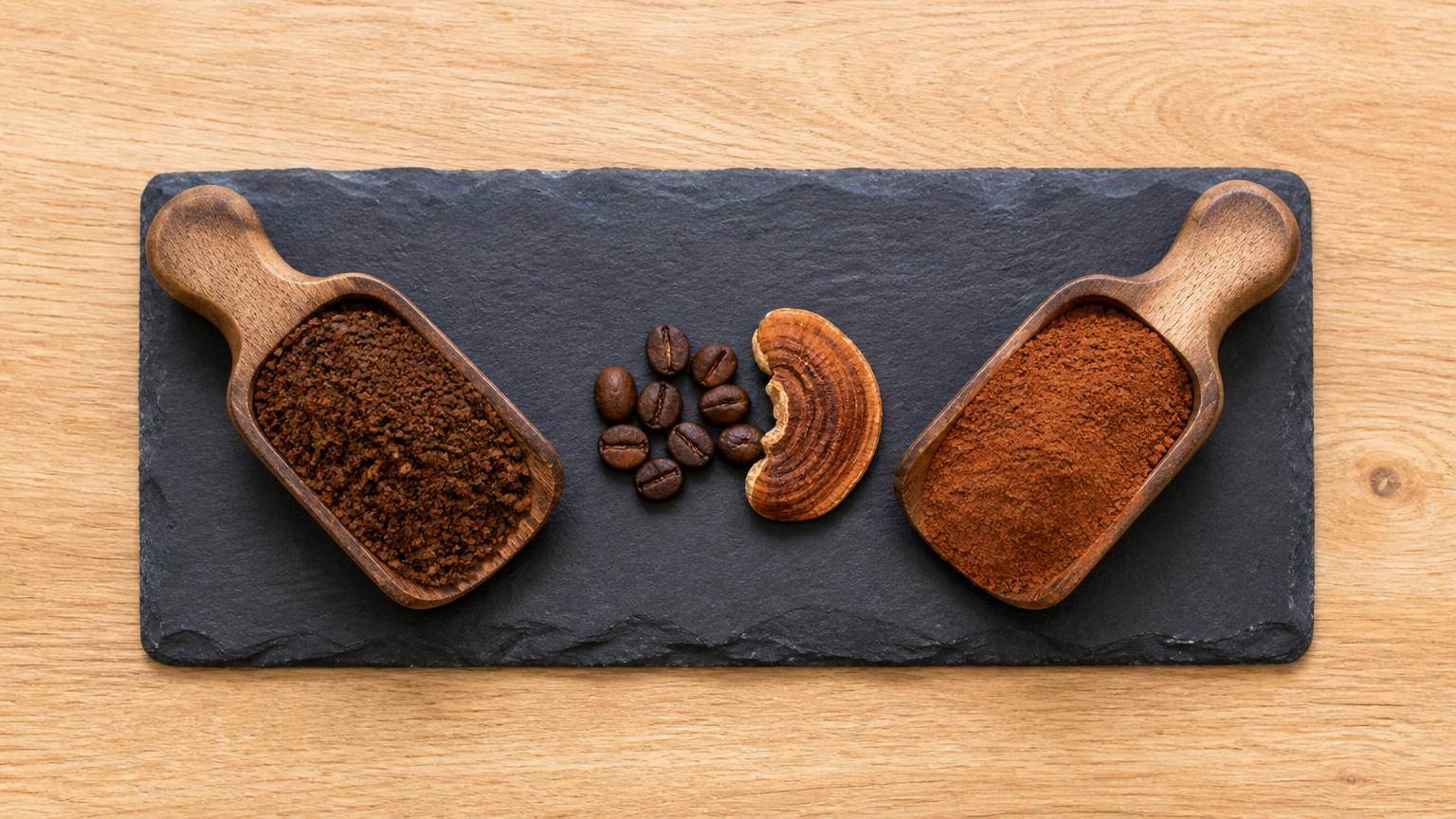
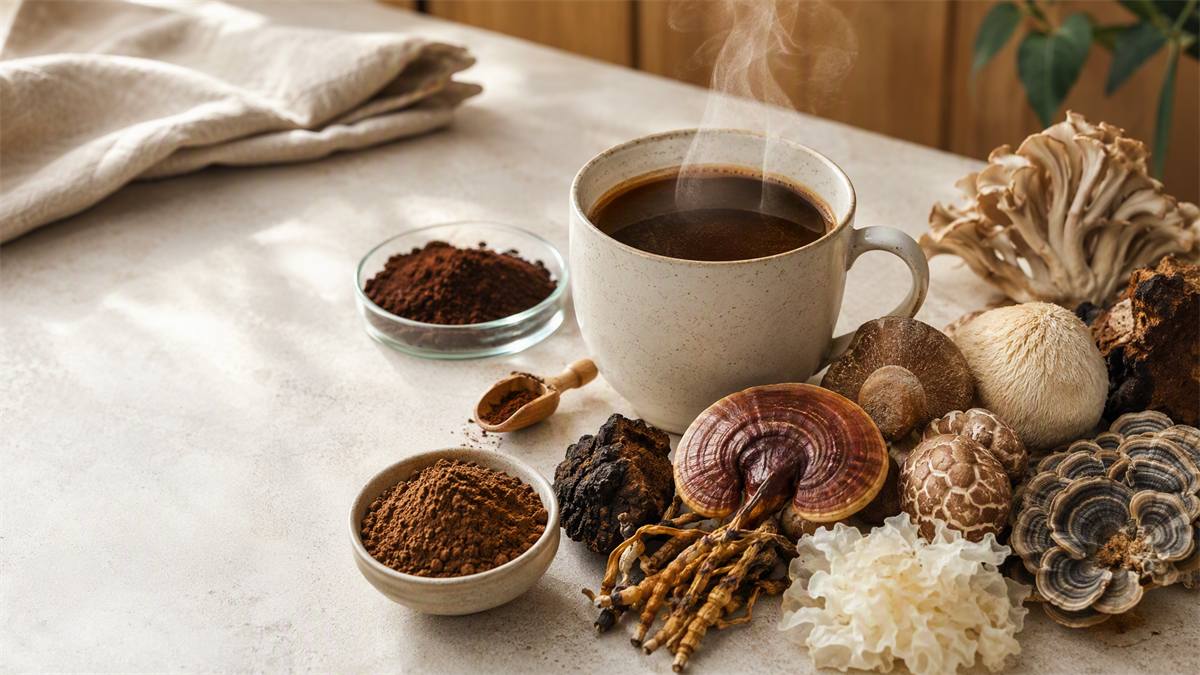
Mushroom coffee has become a popular functional beverage among consumers looking for new ways to enjoy coffee while exploring mushroom-based ingredients. By combining traditional coffee with functional mushrooms such as Lion’s Mane, Reishi, Chaga, or Cordyceps, this category has attracted attention from people interested in wellness, natural ingredients, and alternative coffee options.
However, as interest in mushroom coffee grows, many consumers also have questions about safety. Searches for side effects of mushroom coffee have increased as people want to understand whether this beverage is suitable for their daily routine.
Like any food or beverage, mushroom coffee may not be suitable for everyone. Individual responses can vary depending on factors such as caffeine sensitivity, mushroom ingredients, dietary habits, and overall health conditions.
This guide explores the potential side effects of mushroom coffee, possible benefits, safety considerations, and who may want to be cautious before adding it to their lifestyle.
What Is Mushroom Coffee?
How Mushroom Coffee Is Made
Mushroom coffee is a beverage made by combining coffee with mushroom-based ingredients, usually mushroom powder or mushroom extract.
Unlike traditional coffee, which contains only roasted coffee beans, mushroom coffee includes additional ingredients derived from functional mushrooms.
Common mushroom varieties used in these products include:
- Lion’s Mane (Hericium erinaceus)
- Reishi (Ganoderma lucidum)
- Chaga (Inonotus obliquus)
- Cordyceps (Cordyceps species)
Manufacturing methods can vary between products. Some formulas use dried mushroom powder, while others use extracts created through processing methods designed to concentrate certain naturally occurring compounds.
Because formulations are different, consumers should always check product labels to understand the ingredients and serving recommendations.

Common Mushroom Ingredients
Different mushroom varieties have different nutritional profiles and research backgrounds.
Lion’s Mane Mushroom
Lion’s Mane is one of the most widely recognized functional mushrooms. Research has focused on compounds such as hericenones and erinacines, which have been studied for their relationship with neurological pathways.
A small human study published in Phytotherapy Research investigated Lion’s Mane supplementation in adults with mild cognitive impairment and reported changes during the study period. However, more research is needed to understand its effects in different product formats.
Reishi Mushroom
Reishi contains naturally occurring compounds including polysaccharides and triterpenes.
Traditional use and scientific research have examined Reishi extracts in relation to various biological activities. However, results from concentrated extracts cannot always be directly applied to every mushroom coffee product.
Chaga Mushroom
Chaga is known for compounds such as polyphenols and other naturally occurring components.
Most research has focused on laboratory studies examining Chaga extracts rather than finished beverages.
Cordyceps Mushroom
Cordyceps is often included in functional nutrition products.
Research has explored Cordyceps in areas related to exercise, energy metabolism, and physical performance.
Potential Benefits of Mushroom Coffee
Before discussing the side effects of mushroom coffee, it is useful to understand why consumers choose this type of beverage.
Coffee-Related Benefits
Because mushroom coffee contains coffee, it provides many characteristics associated with traditional coffee consumption.
Coffee naturally contains:
- Caffeine
- Chlorogenic acids
- Polyphenols
According to the European Food Safety Authority (EFSA), caffeine contributes to increased alertness and reduced fatigue when consumed within recommended amounts.
The caffeine level of mushroom coffee depends on the coffee blend, serving size, and preparation method.
Mushroom-Derived Compounds
Functional mushrooms contain naturally occurring compounds, including:
- Beta-glucans
- Polysaccharides
- Triterpenes
These compounds have been studied in nutritional and biological research.
However, it is important to distinguish between research on isolated mushroom extracts and the experience of drinking a finished mushroom coffee product.

Why Consumers Choose Mushroom Coffee
People may choose mushroom coffee because they enjoy:
- Trying new coffee formats
- Exploring functional beverages
- Adding variety to daily routines
- Combining coffee with plant-based ingredients
The reasons for choosing mushroom coffee vary between individuals, and personal preferences often influence whether someone enjoys the product.
Possible Side Effects of Mushroom Coffee
Although many people consume mushroom coffee without problems, some individuals may experience unwanted effects. The potential side effects of mushroom coffee are often related to either mushroom ingredients, coffee components, or individual sensitivity.
Digestive Discomfort
One possible concern is digestive sensitivity.
Some consumers may experience:
- Bloating
- Stomach discomfort
- Changes in digestion
This may happen because mushroom ingredients contain compounds such as fiber and polysaccharides that can affect individuals differently.
People who are new to mushroom-based products may prefer starting with smaller servings to understand how their body responds.
Allergic Reactions
Although mushroom allergies are uncommon, they can occur.
Individuals with known mushroom sensitivities should carefully review ingredients before consuming mushroom coffee products.
Possible signs of an allergic reaction may include:
- Skin irritation
- Digestive reactions
- Other allergy-related symptoms
Anyone with concerns about food allergies should consult a healthcare professional.
Caffeine-Related Effects
Since mushroom coffee usually contains coffee, some side effects may come from caffeine rather than mushrooms.
People sensitive to caffeine may experience:
- Restlessness
- Difficulty sleeping
- Increased awareness of heartbeat
- Feeling uncomfortable after consumption
The amount of caffeine varies between products, so checking the label can help consumers manage their intake.

Earthy Taste and Flavor Adjustment
Not all concerns are related to physical reactions.
Some consumers may simply dislike the taste of mushroom coffee.
Functional mushrooms often have natural earthy or woody flavors, which may be noticeable depending on the formula.
Many products balance these flavors with:
- Different coffee roasts
- Milk alternatives
- Natural flavors
- Other ingredients
Who Should Avoid Mushroom Coffee or Use Caution?
Mushroom coffee may be suitable for many adults, but some individuals may need additional consideration.
People With Mushroom Allergies
Individuals with mushroom allergies or sensitivities should avoid products containing mushroom-derived ingredients unless advised otherwise by a healthcare professional.
People Sensitive to Caffeine
Consumers who experience caffeine-related discomfort may want to consider:
- Lower-caffeine options
- Smaller servings
- Drinking earlier in the day

Pregnant or Breastfeeding Individuals
People who are pregnant or breastfeeding should discuss dietary choices involving functional ingredients with a healthcare professional.
This is especially important because research on many mushroom coffee formulations is still developing.
Individuals Taking Certain Medications
Mushroom ingredients contain naturally occurring compounds that may interact differently depending on individual circumstances.
People taking prescription medications or managing specific health conditions should consult a healthcare professional before making significant dietary changes.
Mushroom Coffee Safety: How to Choose a Quality Product
Choosing a reliable product can help consumers make more informed decisions.
Check Ingredient Transparency
A quality mushroom coffee product should clearly list:
- Mushroom species
- Ingredient format
- Serving information
- Additional ingredients
Clear labeling allows consumers to understand what they are purchasing.
Look for Quality Testing Information
Some manufacturers provide information about:
- Third-party testing
- Certificate of Analysis (COA)
- Microbial testing
- Heavy metal testing
These quality practices help verify ingredient standards and product consistency.
Consider Serving Size
More is not always better.
Consumers should follow product instructions and consider their overall caffeine intake from all sources.
Mushroom Coffee vs Regular Coffee: Safety Comparison
| Feature | Mushroom Coffee | Regular Coffee |
|---|---|---|
| Main ingredient | Coffee + mushroom ingredients | Coffee |
| Caffeine | Usually included | Included |
| Additional compounds | Mushroom-derived compounds | Coffee compounds |
| Possible concerns | Mushroom sensitivity, caffeine sensitivity | Mainly caffeine sensitivity |
Both beverages can be part of different lifestyles depending on individual preferences and tolerance.

Tips for Trying Mushroom Coffee for the First Time
Start With a Smaller Serving
New users may prefer beginning with a smaller amount to evaluate:
- Taste preference
- Digestive response
- Caffeine tolerance
Choose Simple Formulas
Products with fewer ingredients may make it easier to understand how your body responds.
Look for:
- Clear ingredient lists
- Recognizable mushroom varieties
- Transparent product information
Pay Attention to Your Personal Response
Everyone responds differently to foods and beverages.
Factors such as:
- Diet
- Caffeine habits
- Sensitivity
- Lifestyle
can influence individual experiences.

Frequently Asked Questions
Is mushroom coffee safe?
Mushroom coffee is generally considered suitable for many adults when consumed appropriately. However, individual responses vary depending on ingredients and personal circumstances.
What are the most common side effects of mushroom coffee?
Possible side effects include digestive discomfort, caffeine-related effects, allergic reactions, or sensitivity to mushroom ingredients.
Can you drink mushroom coffee every day?
Many people include mushroom coffee in their daily routine. However, caffeine intake and individual tolerance should be considered.
Does mushroom coffee have more side effects than regular coffee?
Not necessarily. The differences depend on the mushroom ingredients, caffeine level, and individual sensitivity.
Who should avoid mushroom coffee?
People with mushroom allergies, caffeine sensitivity, or specific health considerations should seek professional advice before use.
Scientific References
- Mori K, et al.
Improving effects of the mushroom Yamabushitake (Hericium erinaceus) on mild cognitive impairment: A double-blind placebo-controlled clinical trial.
Phytotherapy Research. 2009. - Wasser SP.
Medicinal mushroom science: Current perspectives and future directions. - European Food Safety Authority (EFSA).
Scientific Opinion on the Safety of Caffeine.
Final Thoughts
Understanding the potential side effects of mushroom coffee can help consumers make more informed decisions before adding it to their routine.
While mushroom coffee combines traditional coffee with functional mushroom ingredients, individual experiences may vary. Factors such as ingredient quality, caffeine sensitivity, personal dietary needs, and product transparency all play an important role.
As interest in functional beverages continues to grow, learning about ingredients and safety considerations remains an important part of choosing products that fit individual lifestyles.